
Overview
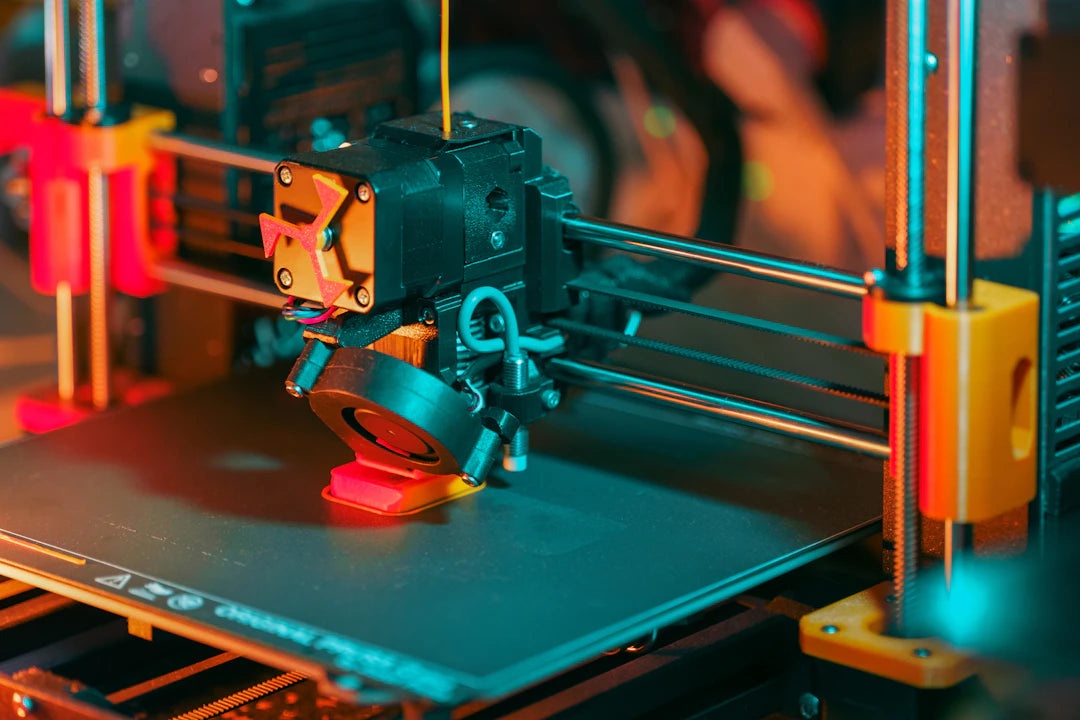
3D printing is revolutionizing the automotive industry by enhancing production efficiency, reducing costs, and promoting sustainability. Key benefits include rapid prototyping, on-demand production, and design flexibility for complex geometries. The technology minimizes waste and allows for the use of bio-based materials, contributing to greener manufacturing practices. Real-world applications include producing spare parts, tools, and lightweight structures in electric vehicles. Future trends suggest deeper integration with IoT, advanced materials, and autonomous manufacturing.
Frequently Asked Questions
1. How is 3D printing transforming the automotive industry?
2. What are the common types of 3D printing technologies used in automotive manufacturing?
3. What advantages does 3D printing provide in terms of production efficiency?
4. How does 3D printing contribute to sustainability in the automotive sector?
5. What future trends can we expect in 3D printing for the automotive industry?
The automotive sector is undergoing a monumental transformation, and the driving force behind this change is none other than 3D printing. This innovative technology, also known as additive manufacturing, has been making waves in several industries, but its application in automotive manufacturing is truly groundbreaking. In this article, we will explore how 3D printing is reshaping the automotive landscape, enhancing production efficiency, reducing costs, and promoting sustainability.
The Fundamentals of 3D Printing in Automotive
To understand the impact of 3D printing in the automotive world, it is essential to grasp the basics of this technology. Traditional manufacturing methods often involve subtractive processes, where material is removed from a solid block to create a component. In contrast, 3D printing builds parts layer by layer from a digital model, leading to less waste and more design freedom.
Common 3D Printing Technologies Used in Automotive
Several 3D printing technologies are being utilized within the automotive sector. Each method has unique advantages, making it suitable for different applications. Here are the most common types:
- Fused Deposition Modeling (FDM): This method uses thermoplastic filament to build parts layer by layer. It is cost-effective and ideal for prototyping.
- Stereolithography (SLA): Employing UV light to cure resin, this technology produces highly detailed parts, perfect for complex geometric designs.
- Selective Laser Sintering (SLS): SLS uses laser beams to fuse powdered material into solid parts. It is excellent for functional prototypes and end-use parts.
- Digital Light Processing (DLP): Similar to SLA, DLP also uses light to cure resin but can build parts faster due to its ability to flash entire layers at once.
Elevating Production Efficiency
One of the primary benefits of 3D printing in the automotive sector is the enhancement of production efficiency. Traditional methods often involve lengthy lead times for tooling and setup; however, 3D printing streamlines this process significantly.
Rapid Prototyping
3D printing allows manufacturers to create prototypes quickly and cost-effectively. Designers can develop, test, and refine their designs in record time. This rapid prototyping capability means that automakers can accelerate their product development cycles.
On-Demand Production
Another element of efficiency is on-demand production. Instead of building large inventories of parts, automakers can print components as needed. This not only minimizes waste but also allows manufacturers to customize vehicles based on consumer demands without incurring high costs.
Cost-Effective Manufacturing
Cost reduction is at the forefront of every organization's objectives, and 3D printing aligns perfectly with this goal. The use of additive manufacturing techniques results in significant savings in both material and energy costs.
Material Savings
By utilizing additive technologies, manufacturers can minimize material usage. Traditional manufacturing methods often lead to substantial scrap material, while 3D printing eliminates much of this waste. By only using the material required to create a part, manufacturers can drastically cut costs.
Reduced Labor Costs
The automation of the 3D printing process can also reduce labor costs. With fewer workers needed on the factory floor to handle multiple steps in production, companies can allocate resources more effectively, leading to increased profits.
Enhancing Design Flexibility
3D printing offers unprecedented design flexibility, allowing automotive engineers and designers to push the boundaries of traditional manufacturing limitations. This innovation leads to intricate designs that optimize performance while enhancing aesthetics.
Complex Geometries
With 3D printing, manufacturers can design parts with complex geometries that are impossible to achieve using traditional methods. Whether it’s lightweight components that reduce vehicle weight or intricate structures that enhance aerodynamics, the possibilities are limitless.
Customization and Personalization
Today's consumers crave personalized products, and 3D printing makes this easier than ever. Automakers can offer bespoke vehicle components tailored to individual preferences, from unique interior designs to customized exterior features. This level of personalization gives brands a competitive edge in a crowded market.
Boosting Sustainability Efforts
Sustainability is a significant concern in the automotive industry as manufacturers aim to reduce their environmental impact. 3D printing plays a pivotal role in achieving these goals through several key factors, including the reduction of waste and the use of sustainable materials.
Less Waste, More Conservation
As mentioned earlier, 3D printing produces less waste compared to traditional manufacturing techniques. This efficiency means not only less material consumption but lower energy requirements throughout the production process. With a reduced carbon footprint, manufacturing practices become more sustainable.
Bio-based Materials
Many companies are also exploring the use of bio-based materials in their 3D printing processes. These materials are often derived from renewable resources, making them a more sustainable option compared to conventional plastics. By integrating such materials into their production lines, automakers can contribute to a greener future.
Real-World Applications of 3D Printing in Automotive
The benefits we've discussed are already being realized in the automotive sector worldwide. Automakers are leveraging 3D printing in various ways, from prototyping to mass production. Here are some notable applications:
Spare Parts and Components
Manufacturers are increasingly turning to 3D printing to produce spare parts and components on demand. This process not only ensures that parts are available as required but also reduces the need for extensive inventory. This practice is particularly useful for older vehicles, where certain parts may no longer be in production.
Tools and Fixtures
Automobile manufacturers use 3D printing to create specialized tools and fixtures required during the assembly process. By utilizing 3D printing, companies can produce these items quicker and inexpensively without requiring heavy investment in machining costs.
Lightweight Structures in EVs
With the rise of electric vehicles (EVs), reducing weight to improve efficiency has become critical. 3D printing allows for the production of lightweight structural components, enhancing the overall performance and range of electric vehicles.
Future Trends in 3D Printing for Automotive
The trajectory of 3D printing in the automotive sector suggests a future where the technology becomes even more integrated into everyday manufacturing processes. Here are some anticipated trends to watch for as this technology continues to evolve:
Integration with Internet of Things (IoT)
As IoT technology advances, we expect to see greater integration between 3D printing systems and IoT devices. This integration will enable manufacturers to monitor production processes in real-time, ensuring efficiency and quality control.
Advanced Material Research
Future advancements in material science will unlock new possibilities for 3D printing in automotive applications. Innovations such as stronger, lighter materials and conductive filaments could lead to entirely new components that enhance vehicle performance.
Autonomous 3D Printing
Imagine fully autonomous manufacturing systems that incorporate AI with 3D printing. This level of autonomy could revolutionize production lines, allowing for adaptive manufacturing processes that evolve based on market demands and consumer preferences.
Where to Learn More About 3D Printing in Automotive
As 3D printing continues to reshape the automotive landscape, staying informed of the latest trends and technologies is crucial. Here are some resources to help deepen your understanding:
- Industry Publications: Subscribe to automotive and technology magazines for the latest insights and developments.
- Webinars and Online Courses: Many organizations offer training and educational courses focusing on 3D printing and its applications.
- Networking Events: Attend trade shows and exhibitions to connect with industry leaders and innovators showcasing their 3D printing advancements.
Join the 3D Printing Revolution!
The advent of 3D printing in the automotive sector represents a paradigm shift that promises to enhance production methods, reduce costs, and create a more sustainable future. As manufacturers and designers embrace this technology, we will continue to witness phenomenal advancements that will redefine automotive engineering. Don’t miss out on the conversation—stay informed and be a part of this extraordinary journey towards innovation!