
Overview
3D printing is transforming the automotive industry by reducing production costs, increasing design flexibility, enabling rapid prototyping, and allowing for customized solutions. It supports sustainable practices by minimizing waste and energy consumption. While there are challenges in technology adoption and material limitations, the future of 3D printing in automotive looks promising with trends towards on-demand production and innovations in material science.
Frequently Asked Questions
1. What is 3D printing in the automotive industry?
2. How does 3D printing reduce production costs in automotive manufacturing?
3. What are the benefits of 3D printing for vehicle design?
4. In what ways does 3D printing contribute to sustainability in the automotive industry?
5. What are some challenges faced by the automotive sector in adopting 3D printing?
The automotive industry is undergoing a remarkable transformation, driven by technological advancements and innovative practices. Among these changes, 3D printing has emerged as a game-changer, reshaping how vehicles are designed, manufactured, and customized. In this article, we explore how 3D printing is revolutionizing the automotive industry, and why it’s becoming an essential tool for manufacturers and businesses alike.
What is 3D Printing?
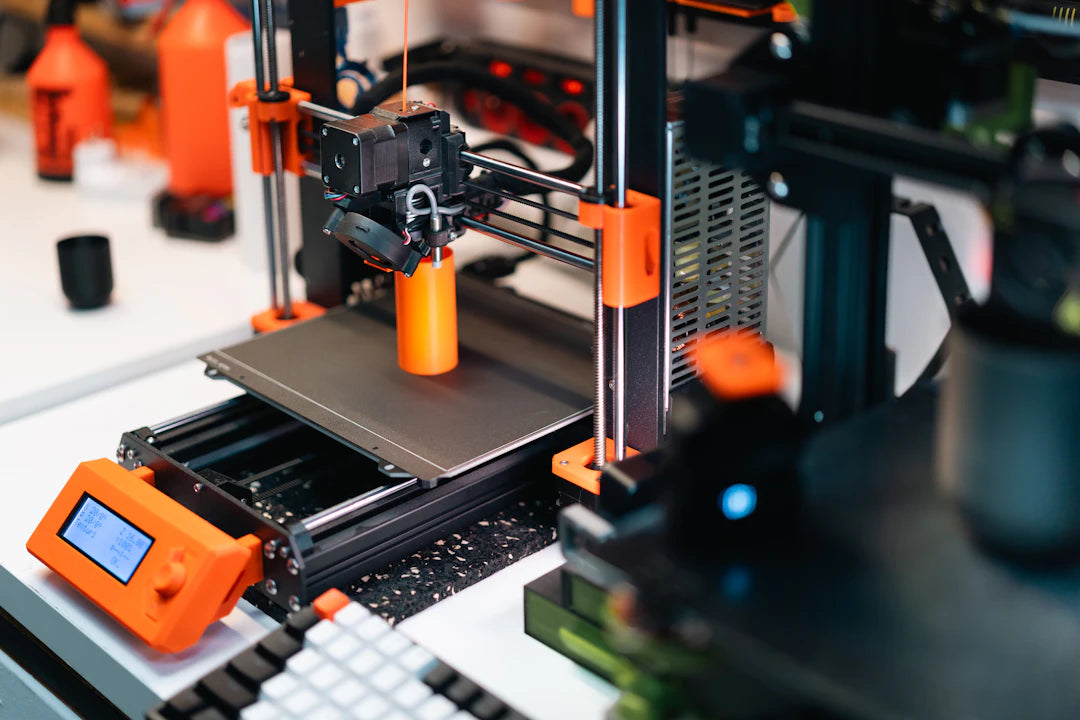
3D printing, also known as additive manufacturing, is a process of creating three-dimensional objects by layering material according to digital models. This cutting-edge technology allows for rapid prototyping and production, bringing significant benefits in terms of cost, efficiency, and innovation, particularly in the automotive sector.
The Importance of 3D Printing in Automotive Manufacturing
As the demand for unique and customized vehicles grows, traditional manufacturing methods struggle to keep pace. 3D printing addresses these challenges through several key advantages:
1. Reduced Production Costs
One of the most significant benefits of 3D printing in the automotive industry is the potential to lower production costs. By minimizing waste and simplifying manufacturing processes, manufacturers can reduce material costs and labor expenses. Traditional manufacturing methods often involve complex supply chains and extensive tooling, but 3D printing streamlines these processes.
2. Increased Design Flexibility
3D printing allows automotive designers to create complex geometries that were previously impossible or prohibitively expensive to produce. This design flexibility fosters innovation and creativity, enabling the development of lightweight structures that enhance vehicle performance while decreasing energy consumption.
3. Rapid Prototyping
Rapid prototyping is a game-changer in the automotive industry. With 3D printing, manufacturers can quickly produce prototype components, allowing for faster iterations and testing. This accelerates the development cycle, reduces time-to-market, and enhances the overall product quality.
4. Customized Solutions for Consumers
With the rise of consumer demands for personalization, 3D printing opens up new possibilities for customized automotive solutions. From tailored interior components to unique exterior designs, manufacturers can offer bespoke options that cater to individual preferences, leading to higher customer satisfaction.
Applications of 3D Printing in the Automotive Industry
3D printing is being integrated across various functions and applications in the automotive sector. Here are some notable uses:
1. Spare Parts Manufacturing
Keeping vehicles on the road through effective parts replacement is a priority for automotive companies. 3D printing enables the production of spare parts on demand, reducing inventory costs and minimizing storage space. This way, businesses can quickly respond to market needs and provide timely replacement solutions for customers.
2. Tooling and Production Aids
The manufacturing process itself can be greatly improved with 3D printing technologies. Tools, jigs, and fixtures can be rapidly designed and produced to optimize production efficiency. These custom tools ensure precision during assembly, allowing for higher quality control and reduced time on the production line.
3. Vehicle Components
From engine parts to brackets and enclosures, 3D printing is being actively utilized to produce various components. This process not only reduces weight but also enhances the sustainability of manufacturing by minimizing waste associated with traditional subtractive methods.
4. Concept Vehicles
3D printing plays a crucial role in the creation of concept vehicles. Designers can quickly build scale models to showcase innovative ideas without investing in expensive molds or tooling. This approach allows companies to present creative concepts to stakeholders and get feedback before committing to full-scale production.
The Environmental Impact of 3D Printing in Automotive
The automotive industry faces increasing scrutiny regarding its environmental impact. Here’s how 3D printing contributes to sustainability:
1. Reduced Material Waste
Traditional manufacturing methods can result in significant material waste, as excess materials are frequently cut away. In contrast, 3D printing adds material layer by layer, ensuring that only what is needed is used. This efficiency minimizes waste and is better for the environment.
2. Lower Energy Consumption
3D printing processes typically consume less energy compared to conventional manufacturing, leading to a smaller carbon footprint. As the industry seeks eco-friendly solutions and ways to combat climate change, this efficiency is a step in the right direction.
3. Potential for Recycling
Advancements in 3D printing technology are paving the way for the use of recycled materials in the manufacturing process. Companies are exploring ways to utilize recyclables, creating closed-loop systems that further minimize environmental impact and conserve natural resources.
Challenges Facing 3D Printing in the Automotive Sector
While 3D printing presents many advantages, the automotive industry must also navigate several challenges:
1. Technology Adoption
Integrating 3D printing into existing manufacturing processes requires a mindset shift. Convincing stakeholders of the benefits, along with the investment in training and technology, can be a hurdle for many businesses.
2. Material Limitations
Although material science is advancing, not all materials used in 3D printing meet the performance standards required for all automotive applications. Manufacturers must carefully select suitable materials that comply with safety and durability standards.
3. Scalability Issues
While 3D printing is excellent for prototyping and small production runs, scaling up for mass production remains a challenge. Companies must develop strategies to leverage the strengths of 3D printing while merging it with traditional production methods for large volume outputs.
The Future of 3D Printing in Automotive
The future of 3D printing in the automotive industry is bright and full of possibilities. Companies are exploring new avenues that could transform the way vehicles are manufactured. Here are some exciting trends:
1. On-Demand Production
With 3D printing, the possibility of on-demand production can significantly reshape automotive supply chains. This trend will lead to reduced storage costs and improved efficiency, allowing companies to respond to customer demands in real time. The ability to print parts as needed redefines the logistics involved in the manufacturing process.
2. Autonomous Vehicles
The rapid development of autonomous vehicles will further fuel the need for innovative and lightweight designs that 3D printing can provide. As regulations and technology evolve, 3D printing will likely play a key role in designing these complex systems.
3. Innovations in Material Science
As research in material science continues to advance, the development of new materials suitable for automotive applications will unlock further applications for 3D printing. More robust, heat-resistant, and lightweight materials will enhance vehicle performance while promoting sustainability.
Unlocking New Possibilities with 3D Printing
3D printing is undeniably revolutionizing the automotive industry, delivering unprecedented benefits and opportunities for innovation. By embracing this technology, automotive companies can achieve improved efficiency, reduce costs, and meet the growing demands for customization and sustainability. As the industry continues to evolve, integrating 3D printing into automotive practices will not only enhance manufacturing but also set the stage for a smarter, more agile future in transportation.