
Overview
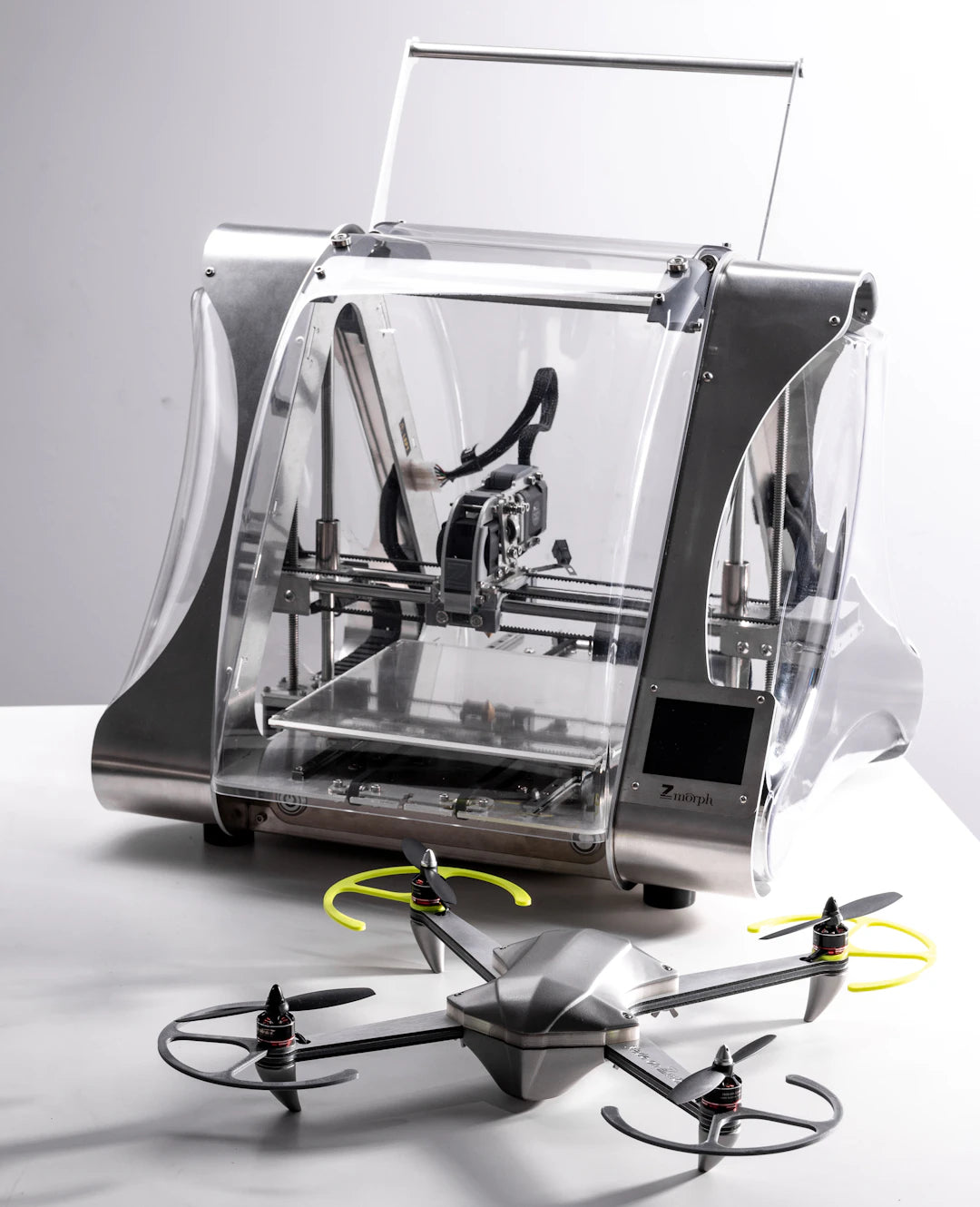
3D printing is revolutionizing automotive manufacturing by enabling faster production, customization, and sustainability. Key benefits include reduced costs, minimal waste, and innovative designs. However, challenges like material limitations and regulatory issues remain. The future promises mass customization and integration with smart technologies, positioning 3D printing as a crucial factor in the industry's evolution.
Frequently Asked Questions
1. What is 3D printing in automotive manufacturing?
2. What are the benefits of using 3D printing for car parts?
3. How does 3D printing impact traditional manufacturing processes?
4. What are some real-world applications of 3D printing in the automotive industry?
5. What challenges does 3D printing face in automotive manufacturing?
The automotive industry has always been a hotbed for innovation, but in recent years, one technology has emerged as a game-changer: 3D printing. As traditional manufacturing processes for car parts face limitations such as high costs, long lead times, and material waste, 3D printing offers a more efficient, customizable, and environmentally friendly alternative. In this article, we'll explore how 3D printing is revolutionizing car parts manufacturing, its benefits, and its impact on the automotive industry.
The Basics of 3D Printing in Automotive Manufacturing
Before diving into the specifics, it's essential to understand what 3D printing is and how it works in the context of automotive manufacturing. 3D printing, or additive manufacturing, involves creating three-dimensional objects layer by layer from a digital file. This technology allows manufacturers to produce complex shapes and designs that would be impossible or prohibitively expensive with traditional methods.
How 3D Printing Works
The process generally involves the following steps:
- Design Creation: Engineers and designers create a 3D model using computer-aided design (CAD) software.
- Printing: The CAD file is sent to a 3D printer, which builds the part layer by layer, using materials such as plastics, metals, or composites.
- Post-processing: After printing, parts may undergo finishing processes, such as sanding, painting, or assembly, to meet quality standards.
Benefits of 3D Printing for Car Parts
Customization and Flexibility
One of the most significant advantages of 3D printing is the ability to customize parts according to specific needs or preferences. Traditional manufacturing methods often involve using standardized molds that limit customization. In contrast, 3D printing allows for tailored designs that can enhance performance, aesthetics, or both. Car enthusiasts can have unique components that reflect their style and functional demands.
Reduced Production Time
Traditional automobile part manufacturing can be a lengthy process, involving multiple steps and extensive lead times. With 3D printing, manufacturers can drastically cut down the time required to produce parts. Because the 3D printer can create objects directly from digital files, the entire process – from design to production – occurs much faster. This quick turnaround minimizes vehicle downtime and helps manufacturers respond to market demands more efficiently.
Cost Efficiency
3D printing eliminates many costs associated with traditional manufacturing, including tooling and labor. As parts are printed as needed, businesses can reduce storage costs and minimize waste, providing significant cost savings. This financial advantage allows manufacturers to allocate resources to other critical areas, such as research and development.
Sustainability
In an era where environmental concerns are paramount, 3D printing stands out for its eco-friendliness. Traditional manufacturing often generates a significant amount of waste due, as excess material is trimmed away during the production process. Conversely, 3D printing creates objects layer by layer, resulting in minimal waste. Additionally, many manufacturers are beginning to explore using recycled materials in their 3D printing processes, further enhancing sustainability.
The Impact on Traditional Manufacturing Processes
As 3D printing technology continues to advance, it has begun to disrupt traditional manufacturing processes in the automotive sector. The integration of additive manufacturing into existing workflows presents both challenges and opportunities.
A Shift in Supply Chains
The rise of 3D printing has the potential to reshape automotive supply chains. Manufacturers traditionally rely on a network of suppliers for components, leading to complexity and long lead times. However, with 3D printing, manufacturers could potentially produce certain parts in-house, reducing reliance on external suppliers and streamlining operations.
Redefining Design Freedom
3D printing offers a level of design freedom that traditional methods cannot match. Complex geometries, lightweight structures, and intricate designs can be easily achieved, allowing for innovative engineering solutions. This new design ethos can contribute to improvements in vehicle performance, efficiency, and safety.
Real-World Applications of 3D Printing in Automotive Manufacturing
The automotive industry is beginning to embrace 3D printing in various capacities, showcasing the technology's versatility and potential impact. Here are some real-world applications:
Prototyping
One of the earliest uses of 3D printing in the automotive industry was for prototyping. Traditionally, creating prototypes for testing and evaluation would involve considerable time and resources. With 3D printing, automotive manufacturers can rapidly produce prototypes, allowing for faster iteration and design testing.
Production of Spare Parts
3D printing is proving to be an effective solution for the production of spare parts. Many automakers are investing in on-demand manufacturing capabilities, which enable them to provide customers with spare parts tailored to specific models and even individual preferences. This approach not only improves customer satisfaction but also reduces inventory costs.
Production of Lightweight Components
As the automotive industry increasingly focuses on fuel efficiency, manufacturers are using 3D printing to produce lightweight components that reduce vehicle weight. Lighter cars consume less fuel and produce lower emissions, contributing to environmental sustainability. Parts that were once heavy and cumbersome can now be produced as optimized lightweight structures using additives.
The Future of 3D Printing in the Automotive Industry
As the technology continues to evolve, the future of 3D printing in the automotive industry looks promising. We can anticipate several trends and developments that will shape this exciting field.
Integration with Smart Technology
The trend towards smart manufacturing will likely influence the integration of 3D printing in automotive production. The fusion of artificial intelligence, machine learning, and Internet of Things (IoT) technology with 3D printing systems could lead to more efficient manufacturing processes and advanced quality control measures.
Mass Customization
As 3D printing becomes more widespread, we can expect manufacturers to embrace mass customization, allowing consumers to submit their specifications for personalized vehicle components. This shift could empower car owners to have a role in the design and customization of their vehicles, leading to a more engaging user experience.
Wider Acceptance and Standardization
As more companies adopt 3D printing technology for car parts, we anticipate a drive towards standardization within the industry. Developing standards for quality control, safety, and design will be crucial for ensuring that 3D printed parts can be seamlessly integrated with existing vehicle systems while meeting regulatory requirements.
Advantages and Challenges Ahead
While the revolution of 3D printing in automotive manufacturing is undoubtedly exciting, there are challenges to consider. Understanding both the advantages and potential roadblocks is essential for businesses looking to adopt this technology.
Advantages
- Innovation: 3D printing fosters innovation, allowing for the exploration of new materials and designs.
- Speed to Market: With shorter production times, manufacturers can bring new products to market more quickly.
- Cost-Effective: Reduces costs by decreasing material waste and the need for extensive tooling.
- Versatility: Capable of producing a wide range of components for various applications.
Challenges
- Material Limitations: Not all materials are suitable for 3D printing, and some lack the durability required for certain automotive applications.
- Regulatory Issues: Meeting regulatory standards for vehicle safety and performance can present challenges for 3D printed parts.
- Initial Investment: The initial cost of implementing 3D printing technology can be a hurdle for some manufacturers.
The Road Ahead
The automotive industry stands on the brink of transformation, with 3D printing leading the charge. As this technology evolves, it holds the promise of revolutionizing car parts manufacturing in ways we have yet to imagine. Businesses that embrace the change will be better positioned to adapt to the modern market, reaping the rewards of increased efficiency, customization, and sustainable practices.
As we look to the future, it’s clear that the adoption of 3D printing technology in automotive manufacturing will foster an era of innovation, offering consumers more options than ever before. Whether you're an automotive professional or a car enthusiast, the impact of this technology will be felt throughout the industry, changing the way we think about car parts and vehicle design. Buckle up; the journey is just beginning!