Overview
5G technology is revolutionizing the automotive sector by enabling connected cars, which offer improved safety, real-time traffic management, and enhanced user experiences. Key advantages include ultra-low latency, faster data transfer, and better vehicle-to-everything communication. However, challenges like infrastructure development, cybersecurity, and regulatory frameworks must be addressed. Embracing 5G will lead to smarter, safer, and more sustainable driving experiences.
Frequently Asked Questions
1. What is 5G technology and how does it benefit connected cars?
2. What are the advantages of 5G for the automotive sector?
3. How does 5G technology enable autonomous driving?
4. What challenges does the rollout of 5G technology face in the automotive industry?
5. How will 5G change the future of mobility?
As we speed into the era of 5G, the landscape of technology, particularly in the automotive sector, is undergoing a transformative shift. Connected cars are no longer just a futuristic concept; they are quickly becoming a reality, with 5G playing a pivotal role in this evolution. In this blog post, we’ll explore what 5G means for the future of connected cars, the advantages it brings, and how it will reshape our driving experience. Buckle up as we delve into the fast lane of automotive technology!
Understanding 5G Technology
5G, or fifth-generation wireless technology, provides significantly faster data speeds and more reliable connections than its predecessors. By utilizing higher frequency bands and advanced technologies such as beamforming and massive MIMO (Multiple Input Multiple Output), 5G is able to enhance bandwidth capacity and reduce latency to unprecedented levels. This means a transformation not only for our smartphones and laptops but also for our vehicles.
The Connected Car: A New Era of Driving
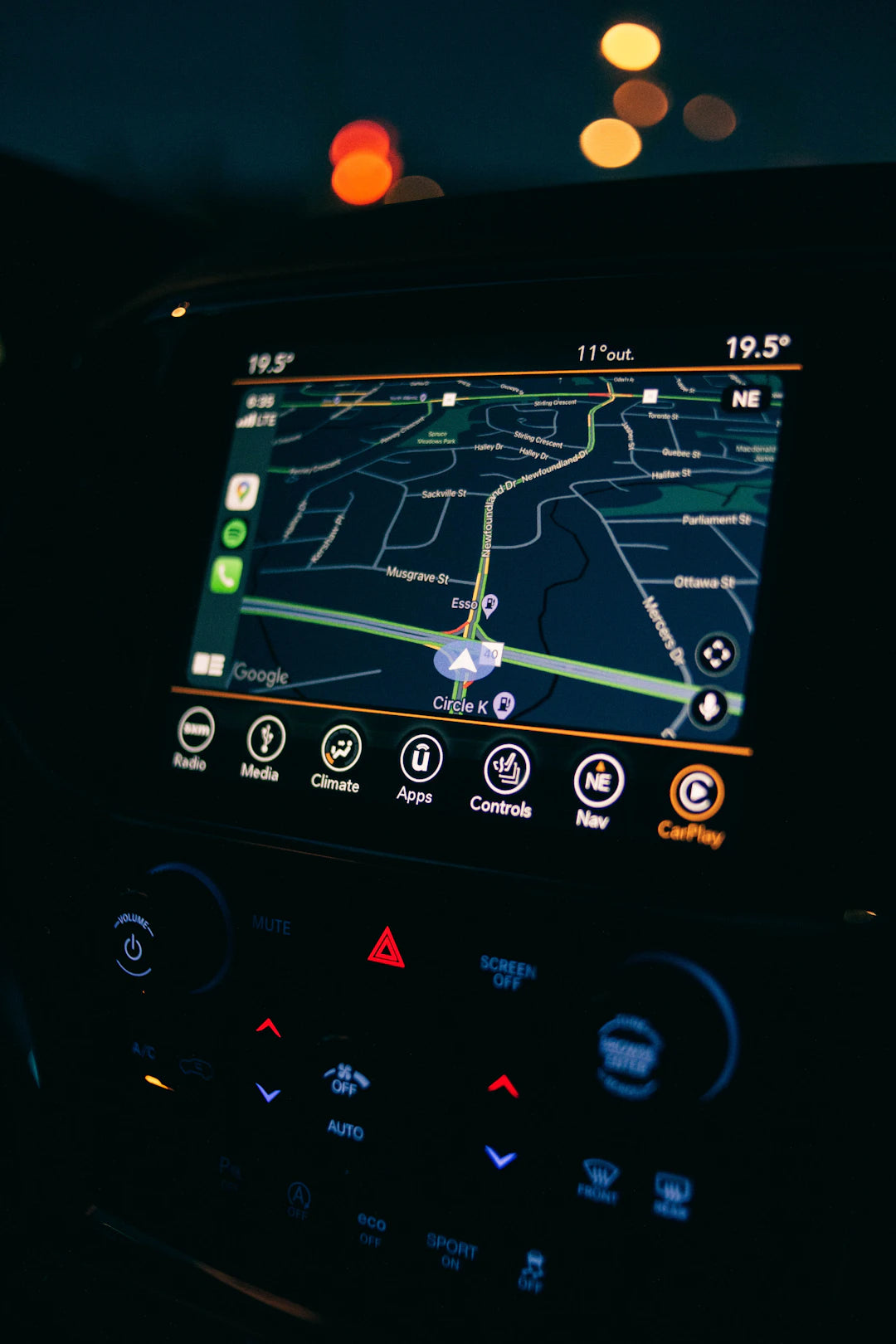
Connected cars utilize internet connectivity to communicate with each other and with various cloud-based applications. This connectivity can provide a plethora of features including real-time traffic updates, remote diagnostics, and enhanced safety alerts. The integration of 5G into this ecosystem will unlock even greater possibilities.
The Advantages of 5G for Connected Cars
The arrival of 5G technology comes with a host of advantages that promise to redefine how we interact with our vehicles on the road:
- Ultra-Low Latency: One of the most significant benefits of 5G is its ultra-low latency. This means that the time delay between sending and receiving information (e.g., from a vehicle to an internet server) is drastically reduced. The immediacy of data transmission is critical for applications such as autonomous driving, where split-second decisions can save lives.
- Faster Data Transfer Speeds: With much higher data rates, 5G will enable vehicles to download and process large amounts of data quickly. This will facilitate smoother streaming of entertainment, real-time navigation updates, and quick software updates for vehicle systems.
- Enhanced Vehicle-to-Everything (V2X) Communication: 5G will bolster V2X technology, allowing cars to communicate with each other and infrastructure such as traffic lights and road sensors. This synergy enhances traffic management and safety, contributing to smarter cities.
- Increased Device Connectivity: As more devices become connected, the demand for network capacity increases. 5G can support a larger number of connected devices, which is integral for smart transportation systems.
- Improved User Experience: Enhanced connectivity will lead to better user experiences inside the vehicle. Passengers can enjoy high-speed internet access for media consumption, gaming, and other applications while on the go.
Transformative Applications of 5G in Connected Cars
The impact of 5G on connected cars goes beyond mere enhancements; it opens the door to entirely new applications that were previously not feasible. Here are some notable developments on the horizon:
Autonomous Driving
One of the most talked-about advancements in automotive technology is autonomous driving. 5G technology will be a cornerstone for fully autonomous vehicles. With instantaneous communication, self-driving cars can gather and analyze data about their surroundings more effectively. As a result, they will be able to make safer and smarter driving decisions, practically eliminating the possibilities of accidents caused by human error.
Enhanced Safety Features
Safety is paramount in any vehicle, and 5G will drive the development of advanced safety features. For instance, vehicles can receive real-time alerts about hazards, such as road accidents or dangerous weather conditions, enabling drivers and automated systems to react swiftly. Furthermore, V2X communication lets cars inform each other about potential dangers, leading to a more secure driving experience.
Real-Time Traffic Management
With real-time traffic data streaming continuously, connected cars will be able to route around congestion more effectively and predict travel times with increased accuracy. This capability not only improves individual driving experiences but also reduces overall traffic congestion and environmentally harmful emissions.
Remote Vehicle Diagnostics and Eco-Friendly Driving
Vehicles with 5G connectivity can transmit diagnostic data to manufacturers or service providers, allowing for proactive maintenance and repair scheduling. This ensures that vehicles run optimally and reduces unexpected breakdowns. Additionally, connected cars will have the capability to monitor driving habits and offer eco-friendly driving suggestions, promoting sustainability.
Challenges on the Road Ahead
While the rollout of 5G technology promises a revolution in connected cars, several challenges must be addressed:
Infrastructure Development
The successful deployment of 5G is contingent upon developing the necessary infrastructure. This includes building more advanced cell towers and ensuring wide-reaching coverage, especially in rural or less-developed areas. Failure to do so may lead to gaps in connectivity that could impact the functionality of connected vehicles.
Security Concerns
As cars become increasingly connected, the risk of cyber threats rises. Ensuring that vehicles can securely transmit and handle data will be vital. Automakers and tech companies must invest in cybersecurity measures to protect against hacking attempts that could compromise driver safety and data privacy.
Regulatory Framework
With new technologies come regulatory challenges. Authorities must establish regulations and standards governing the use of connected cars, data sharing, and the operation of autonomous vehicles. As regulations evolve to keep pace with technological advancements, industry stakeholders must engage in discussions to produce effective frameworks.
The Future of Mobility: Embracing the Change
As we prepare for 5G technology to become fully integrated into our daily lives, it is essential to embrace the opportunities it presents for the automotive industry. The convergence of connectivity, data, and advanced technologies will not only enhance our driving experiences but will also contribute to the development of smarter, safer, and more efficient transportation systems.
Stay Informed and Prepared
The journey to connected cars and an entirely new driving experience is underway. By staying informed about developments in automotive technology and 5G, you can be prepared for the changes that lie ahead. As consumers and industry participants alike, there is much to gain as the automotive world shifts into a new gear.
Embrace the Future of Driving
The road ahead is filled with potential; 5G will not merely upgrade our connected cars, but it will fundamentally alter how we understand and interact with driving. As you explore the advancements on the horizon, remember that each step towards connectivity brings us closer to a world where vehicles are safer, smarter, and more sustainable. Get ready to embrace a revolution in driving that’s set to propel us into a brighter future.
