
Overview
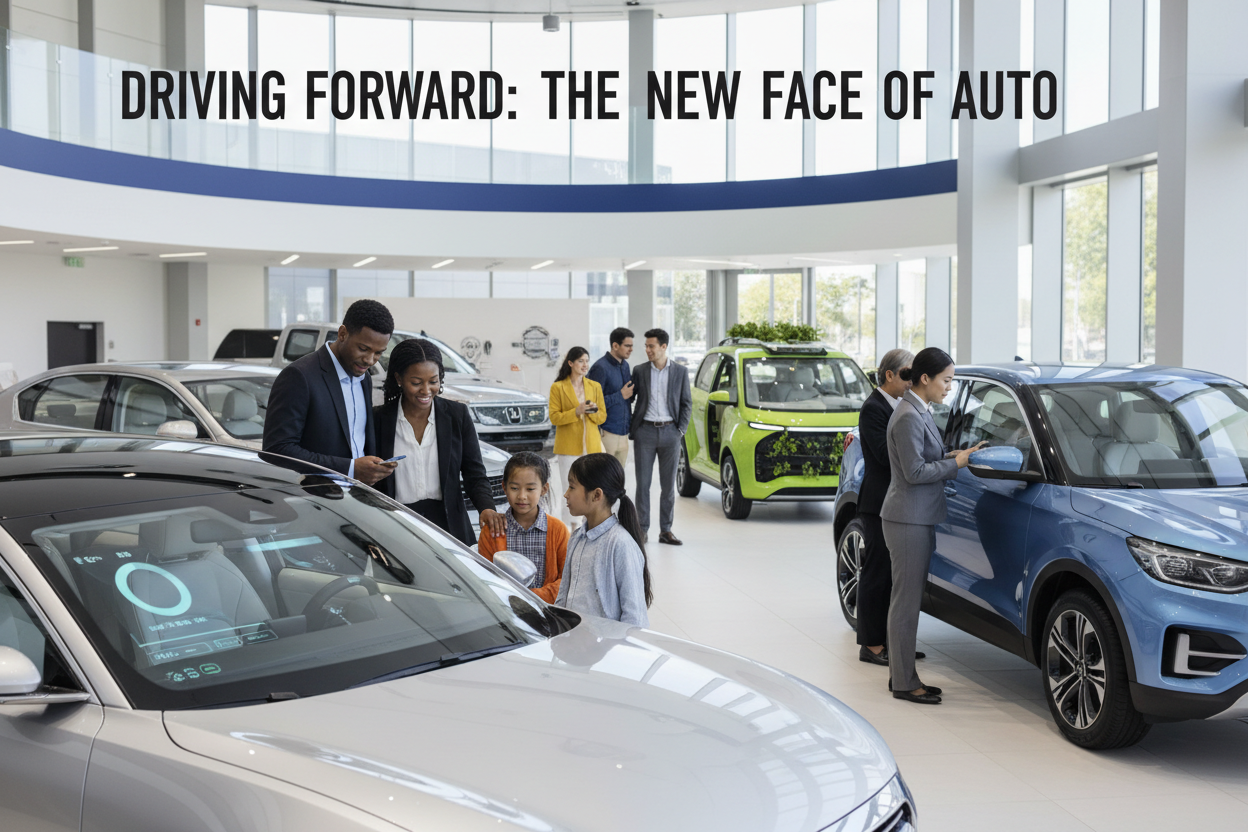
The automotive industry is transforming to meet the needs of diverse consumer demographics, particularly millennials and Gen-Z, who prioritize sustainability, technology, and experiences over ownership. Brands are focusing on electric vehicles, innovative marketing strategies, and community engagement while adapting to global markets and leveraging customer feedback. Success hinges on their ability to adapt to these evolving preferences.
Frequently Asked Questions
1. What is influencing the transformation of the automotive industry?
2. How are millennials and Gen-Z impacting car ownership trends?
3. What role does sustainability play in automotive branding today?
4. What technological features do modern automotive consumers expect in vehicles?
5. How are automotive brands adapting their marketing strategies to diverse global markets?
The automotive industry is in a state of transformation, driven by changing consumer demographics and preferences. As society shifts, car manufacturers must adapt to meet the needs of an increasingly diverse consumer base. In this blog post, we explore how automotive brands are responding to these changes and the strategies they are employing to stay competitive. From millennials to Gen-Z and the growing significance of electric vehicles, we will examine how these factors play a crucial role in shaping the future of automotive branding.
Understanding Changing Consumer Demographics
To grasp how automotive brands are adapting, it's essential first to understand the shifting demographic landscape. The current consumer base encompasses a wide range of age groups, values, and expectations. With this variety comes a myriad of preferences regarding vehicle ownership, style, and technology.
The Rise of the Millennial and Gen-Z Buyer
Millennials, those born between 1981 and 1996, and Gen-Z, the generation that follows, have distinct characteristics that influence their purchasing decisions. These younger demographics prioritize sustainability, technological integration, and overall convenience. Unlike previous generations, many members of these groups prefer access to vehicles rather than ownership, leading to an increase in ride-sharing and subscription services.
Gender and Diversity in Car Ownership
As society becomes more inclusive, the automotive industry must also adapt. Women are increasingly becoming significant players in new car purchases, with studies showing that they influence more than 85% of all purchases. Brands are recognizing the need for vehicles that appeal specifically to women, who often prioritize safety features, comfort, and practicality.
The Impact of Sustainability on Automotive Brands
With environmental concerns at the forefront of consumer considerations, sustainability has become a key element in the automotive industry. Electric vehicles (EVs) and hybrid models are no longer novelties; they are becoming the standard due to rising fuel prices and increased environmental awareness among consumers.
Electric Vehicles and Eco-Friendly Options
Leading automotive brands have committed significant resources to developing electric vehicles. The goal is to cater to eco-conscious consumers who prioritize reducing their carbon footprint. In addition, production strategies are being modified to include sustainable manufacturing practices, introducing recycled materials into vehicle designs and cutting down on waste. Such measures resonate with today’s buyer, who often opts for brands that reflect their values.
Innovative Marketing Strategies
To further engage with eco-conscious buyers, automotive brands are employing innovative marketing strategies that emphasize their commitment to sustainability. This includes eco-labeling on vehicles, transparency in sourcing materials, and promoting their achievements in reducing emissions. By effectively communicating these efforts, brands can build trust and loyalty among consumers.
Technology: A Core Component of Attraction
Today's automotive consumers are tech-savvy, and they expect their vehicles to be equipped with advanced technological features. Connectivity and automation are no longer just perks; they are essential selling points for automotive brands.
Embracing the Internet of Things (IoT)
The integration of IoT in vehicles has opened up a world of possibilities for automotive manufacturers and consumers alike. Features such as smart navigation, remote diagnostics, and personalized driving experiences are increasingly common. Brands are capitalizing on these advancements to enhance the ownership experience, making vehicles an extension of the consumer's digital lifestyle.
Intuitive In-Car Experiences
Automakers are recognizing the importance of creating user-friendly interfaces within vehicles. Systems that cater to drivers' preferences for music, navigation, and hands-free communication are in demand. This prioritizes not only the convenience of modern drivers but also the safety aspect, as it aims to reduce distractions while on the road.
Emphasizing Experiences Over Possessions
As consumer preferences evolve, the concept of ownership is being redefined. The idea of providing experiences rather than merely selling vehicles is gaining traction amongst automotive brands. This shift allows consumers to engage with brand offerings in fresh and exciting ways.
Subscription Services and Flexibility
Subscription-based models have gained popularity, offering consumers flexibility and reducing the burden of ownership. These models enable customers to drive a vehicle for a fixed period, with easy options to switch cars according to their needs. This appeals to younger buyers who prioritize experiential learning and the freedom of choice over long-term commitments.
Engaging With the Community
Automotive brands are increasingly prioritizing engagement with their communities. This not only helps build a loyal customer base but also fosters positive brand association. Brands are hosting events, collaborating with local nonprofits, and initiating community outreach programs to enhance their presence and relevance in today's society.
Adapting to a Global Marketplace
As boundaries between countries shrink, automotive brands now operate on a global scale, leading to diverse consumer preferences in different regions. Understanding these nuances is critical for brands as they develop specialized strategies catered to specific markets.
Diverse Cultural Impacts on Brand Strategy
What resonates with consumers in one country may not work in another. Brands are investing in market research to understand consumer behavior influenced by cultural nuances, legal regulations, and local economic conditions. This careful analysis allows brands to tailor their offerings accordingly, ensuring they remain relevant worldwide.
Localization of Marketing Efforts
Successful automotive brands leverage local expertise in their marketing campaigns. Localization can involve language adaptations, cultural references, and even featuring local influencers. By doing this, brands not only appeal to diverse consumer groups but also foster authentic connections with potential buyers.
Rethinking Customer Feedback
In the age of information, customer feedback is more vital than ever. Automotive brands are finding innovative ways to gather and act on consumer insights, ultimately improving their offerings.
Leveraging Social Media Insights
Social media platforms are a treasure trove of information about consumer preferences. Brands are utilizing these platforms to engage with customers, gather feedback, and respond to their needs. By being active on social media, automotive companies can shape their brand narrative and build stronger relationships with their audience.
Improving the Customer Journey
Automotive brands are focusing on enhancing the customer journey by acting upon the feedback received. Brands are employing customer relationship management (CRM) systems to track interactions and identify areas for improvement. By tailoring experiences and addressing consumer pain points, brands can drive loyalty and satisfaction.
What Lies Ahead?
The automotive industry is on the brink of unprecedented change, influenced heavily by shifting consumer demographics and preferences. Brands that successfully adapt to these changes are not just surviving; they are thriving. By embracing sustainability, technology, diverse cultures, and innovative marketing strategies, automotive brands can create a stronger association with their consumers—a relationship that's built on trust, quality, and accessibility.
To remain relevant in this dynamic landscape, automotive brands must continue to assess and respond to the needs of evolving consumer demographics. This adaptability can determine their success as they drive into the future.
Stay tuned with us to discover more about how the automotive landscape is evolving! Prepare to embrace the changes and fulfill the needs of an ever-diverse consumer market.