
Overview
Advanced automotive safety features are revolutionizing driving by reducing accidents and enhancing user experience. Key developments include Enhanced Driver Assistance Systems (ADAS), collision avoidance technologies, and the integration of AI for smarter decision-making. Future trends point to increased biometric integration and a focus on environmental safety, promising a safer driving era for everyone.
Frequently Asked Questions
1. What are advanced safety features in modern vehicles?
2. Why are safety features important in cars?
3. How do Advanced Driver Assistance Systems (ADAS) help drivers?
4. What role does artificial intelligence play in vehicle safety?
5. What are some future trends in automotive safety technology?
The landscape of vehicular technology is rapidly changing, with advanced safety features at the forefront of this transformation. As consumers become more aware of safety and technology, automakers are stepping up their game by incorporating innovative systems designed to enhance the driving experience. At CarBreakers.ie, we explore how these features are revolutionizing driving, ensuring not only a safer experience for drivers and passengers but also paving the way for an entirely new era in automotive design. Let's dive into the essential safety innovations that are reshaping our roads.
Understanding the Importance of Safety Features
With traffic accidents being a leading cause of injury and death worldwide, the need for safety advancements has never been more urgent. According to the World Health Organization, road traffic injuries claim over 1.35 million lives annually. These alarming statistics underscore the critical importance of advanced safety technology in vehicles. The rise of intelligent safety features plays a vital role in reducing accidents and, ultimately, protecting lives.
The Evolution of Automotive Safety Technologies
The automotive industry has witnessed remarkable advancements over the past few decades. Once limited to seat belts and airbags, safety features have evolved into sophisticated systems that include smart technology capable of making real-time decisions to prevent accidents. Here, we explore several key areas where safety technology has made significant strides.
1. Enhanced Driver Assistance Systems (ADAS)
Automated driving systems are some of the most significant developments in modern automotive technology. Advanced Driver Assistance Systems, or ADAS, encompass a range of safety features designed to aid drivers and optimize vehicle control. Some notable ADAS functionalities include:
- Adaptive Cruise Control: Automatically adjusts the vehicle’s speed to maintain a safe distance from the car in front.
- Lane Keeping Assist: Alerts the driver when the vehicle drifts out of its lane and can even steer it back on track.
- Automatic Emergency Braking (AEB): Detects an impending collision and applies the brakes if the driver doesn’t respond quickly enough.
- Blind Spot Monitoring: Provides visual or audible warnings when a vehicle enters the driver's blind spot.
These features significantly enhance the driving experience by mitigating human error and minimizing accident risks.
2. Collision Avoidance Systems
Collisions can happen in the blink of an eye, making timely reaction critical in preventing accidents. Collision avoidance systems have been developed to detect potential impacts and take preventive action. These systems encompass various sensors, cameras, and radar technologies that work together to provide alerts or intervene when necessary. The main types of collision avoidance systems include:
- Forward Collision Warning (FCW): Alerts drivers to an impending collision with the vehicle ahead.
- Automatic Emergency Braking (AEB): Coins the term in two ways—it states the issue (the possibility of a collision) and begs for a response (through immediate deceleration).
- Pedestrian Detection: Identifies pedestrians crossing the road and can automatically apply the brakes to prevent running into them.
By utilizing these advanced technologies, collision avoidance systems help reduce the likelihood of serious accidents.
The Role of Artificial Intelligence in Vehicle Safety
As we continue to integrate advanced technology into our lives, Artificial Intelligence (AI) is becoming a game-changer for vehicle safety. By leveraging AI, automakers can create systems capable of learning and adapting over time, ultimately enhancing overall vehicle safety. Here's how AI is influencing modern driving:
1. Smart Contextual Awareness
With the integration of AI, vehicles can understand and respond to the driving environment more effectively. AI systems can analyze data from multiple sensors and cameras in real-time to make intelligent decisions. These capabilities allow for:
- Environmental Recognition: Machines quickly recognize various road conditions, pedestrians, and terrain changes.
- Predictive Analytics: AI can anticipate potential hazards based on historical driving patterns.
2. Enhanced Data Management
AI-powered vehicles gather vast amounts of data while on the road. This information can be analyzed to improve safety protocols, optimize performance, and even predict maintenance needs. For instance, AI can:
- Alert Drivers: Notify of necessary vehicle repairs or maintenance based on real-time data analysis.
- Assist Fleet Management: Enhance routing and scheduling for companies that manage vehicle fleets, reducing accidents and operational costs.
Safety Features Tailored for Emerging Technologies
The future of driving is becoming increasingly connected and automated. As technologies like electrification and vehicle connectivity gain traction, manufacturers are developing dedicated safety features to address their unique challenges. Two notable areas to focus on include:
1. Connected Vehicle Technology
Vehicle-to-Everything (V2X) communication is a critical aspect of connected vehicle technology, allowing vehicles to communicate with each other and infrastructure. This technology has far-reaching implications for safety, including:
- Traffic Signal Alerts: Cars can receive notifications about changing traffic signals to make informed decisions.
- Accident Warnings: Nearby vehicles can transmit information about accidents to alert other drivers in real time.
By sharing information, connected vehicles create a more cohesive and safer driving environment.
2. Autonomous Vehicles and Safety
As we shift toward autonomous driving, the importance of ensuring safety remains paramount. Autonomous vehicles are equipped with extensive safety features designed to manage complex situations without human intervention. These include:
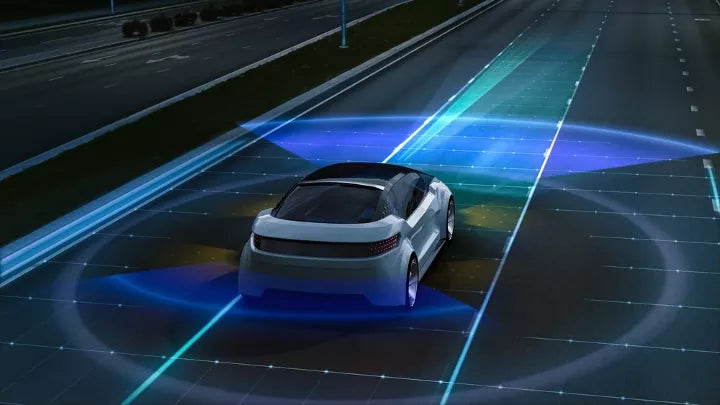
- 360-Degree Monitoring: Sensors allow for a complete view of the surroundings, enabling the autonomous vehicle to react immediately to any obstacles.
- Adaptive Learning: AI algorithms allow autonomous systems to learn from both past experiences and current scenarios, fine-tuning their responses to enhance safety continuously.
The development of autonomous vehicles demonstrates a commitment to revolutionizing the driving experience while prioritizing safety.
The Future of Automotive Safety: What Lies Ahead?
As we contemplate the future, the evolution of vehicle safety technology shows no signs of slowing down. Here are some upcoming trends and anticipated advancements in automotive safety:
1. Increased Integration of Biometrics
Thermo-vision, touch sensors, and even facial recognition technology are being examined as methods to enhance vehicle safety. These biometric systems could be used to:
- Detect Driver Fatigue: Monitor physiological signs and alert the driver if they show signs of fatigue or distraction.
- Personalized Safety Features: Custom-tailor the driving experience based on the user's behavior and preferences.
2. Greater Focus on Environmental Safety
Future vehicles are likely to include more advanced environment monitoring systems that track air quality, temperature changes, and other factors that endanger overall safety. This could involve:
- Weather-Based Safety Adjustments: Automatic adjustments to driving modes based on current weather conditions to ensure optimal performance.
- Impact Reduction Measures: Systems designed specifically to minimize the environmental impact of driving.
Getting Excited for a Safer Driving Era
It’s evident that advanced safety features are paving the way for a new era in driving. From Driver Assistance Systems to the integration of AI and vehicular connectivity, these innovations significantly enhance the safety and security of our roadways. The continuous advancements in automotive safety indicate that the future holds even more promise, ensuring that both drivers and passengers can enjoy a peace of mind unavailable in previous generations. As we collectively look toward this horizon, it becomes clear: safety in automobile technology is not just a luxury; it is a fundamental right. Buckle up for a safer ride ahead!