As technology continues to advance, the automotive industry is not far behind, especially when it comes to car safety features. With a primary focus on protecting drivers and pedestrians, car manufacturers have made remarkable strides in ensuring road safety. In this blog post, we will discuss some of the significant advancements in car safety features that have revolutionized the way we drive.
1. Forward Collision Warning
An excellent addition to modern vehicles is the forward collision warning system. This system uses sensors and cameras to detect potential collisions with vehicles or pedestrians ahead. By alerting the driver through audible and visual cues, it provides an opportunity to react and potentially avoid an accident. This proactive technology is a crucial step towards reducing the number of accidents caused by distracted or inattentive drivers.
2. Automatic Emergency Braking
Complementing the forward collision warning is automatic emergency braking. If the driver does not react in time to the forward collision warning, this feature kicks in and applies the brakes automatically. By reducing the time it takes for a vehicle to come to a stop, automatic emergency braking minimizes the severity of collisions and, in some cases, can prevent them altogether. This breakthrough in car safety technology has already proven its effectiveness in avoiding accidents and saving lives.
3. Lane Departure Warning
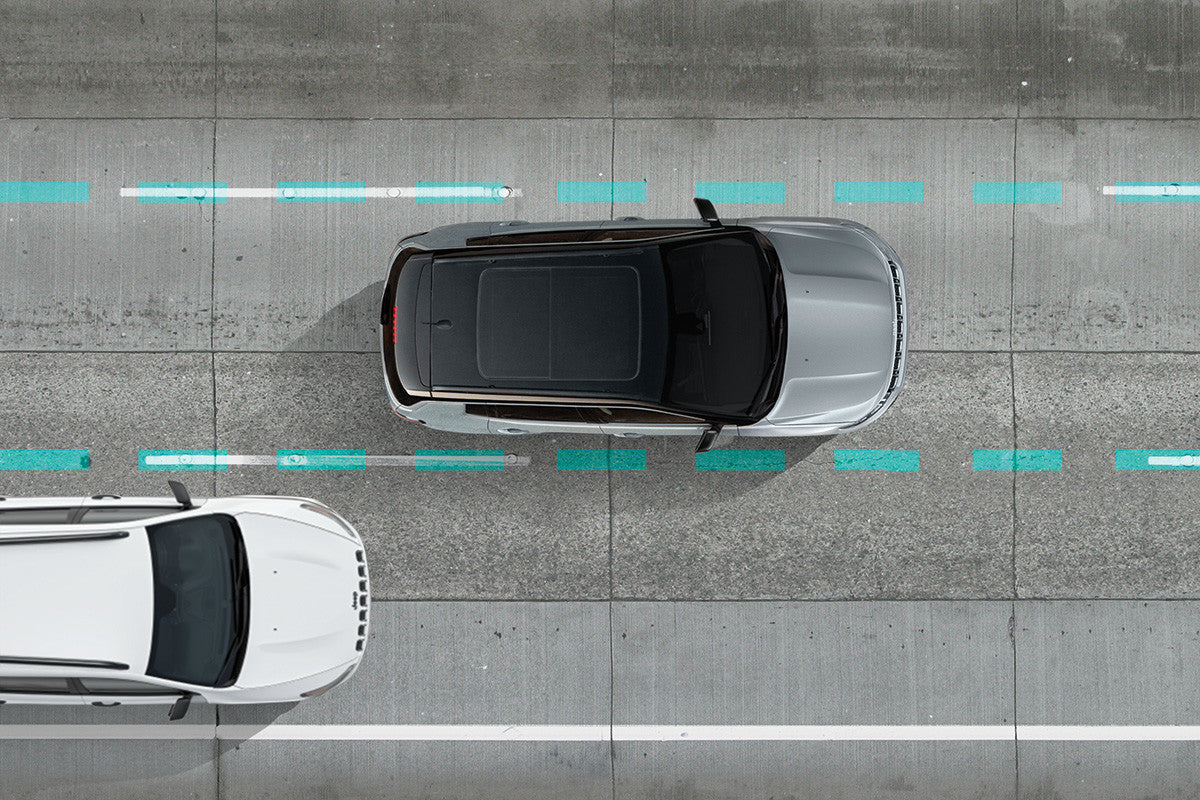
Lane departure warning systems use cameras to monitor the position of the vehicle on the road. If the system detects that the vehicle is drifting out of its lane without signaling, it alerts the driver through visual and audible warnings. This feature is particularly useful for preventing accidents caused by drowsy driving or momentary distractions. By encouraging drivers to stay within their lanes, lane departure warning systems play a vital role in reducing the number of accidents on the road.
4. Blind Spot Detection
Another safety feature that has gained popularity in recent years is blind spot detection. Using radar or sonar sensors, this system identifies vehicles in the driver's blind spots and alerts them through visual or audible warnings. By providing additional assistance in detecting surrounding vehicles, blind spot detection significantly reduces the risk of accidents while changing lanes. This technology has proven to be particularly crucial, considering the increasing number of large vehicles on the road.
5. Adaptive Cruise Control
Adaptive cruise control takes traditional cruise control to the next level. This system uses sensors to adjust the vehicle's speed and maintain a safe distance from the car ahead. By automatically slowing down or speeding up, it reduces the need for constant manual adjustments by the driver. Adaptive cruise control not only provides convenience but also plays a significant role in preventing rear-end collisions caused by tailgating or sudden braking.
6. Rearview Cameras
Backing up a vehicle can be challenging, especially with limited visibility. Rearview cameras help address this issue by providing a clear view of the area behind the vehicle. This enables the driver to navigate tight parking spaces, avoid obstacles, and most importantly, prevent accidents involving pedestrians or other vehicles. Rearview cameras have become a standard feature in many new vehicles, and their presence has undoubtedly enhanced safety on the roads.
7. Pedestrian Detection
With an increasing number of pedestrians on the roads, car manufacturers have developed pedestrian detection systems. Using a combination of sensors and cameras, these systems can identify pedestrians and predict their movements. If there is a potential risk of collision, the system alerts the driver. Pedestrian detection technology has significantly contributed to reducing pedestrian accidents and ensuring the safety of vulnerable road users.
8. Tire Pressure Monitoring
Properly inflated tires are essential for vehicle stability and fuel efficiency. Tire pressure monitoring systems continuously monitor the air pressure in each tire and alert the driver if there is a significant deviation from the recommended pressure. By ensuring that tires are adequately inflated, this feature helps prevent accidents caused by tire blowouts and improves overall road safety.
9. Electronic Stability Control
Electronic stability control (ESC) is a feature that uses sensors to monitor the movement of a vehicle and compares it to the driver's intended path. If there is a significant deviation, such as skidding or loss of control, ESC applies individual brakes to specific wheels and adjusts the engine's power to bring the vehicle back on track. This technology has proven to be highly effective in preventing rollovers and other accidents caused by loss of control.
10. Adaptive Headlights
Traditional headlights only illuminate the road straight ahead, limiting visibility when going around corners or curves. Adaptive headlights address this issue by adjusting the direction and intensity of the light based on the vehicle's speed and steering input. This ensures that the road ahead is always well-lit, enhancing safety during night-time driving or in challenging weather conditions.
11. Advanced Driver Assistance Systems
Advanced Driver Assistance Systems (ADAS) encompass a suite of safety features designed to assist drivers and enhance safety on the roads. Some of the commonly included ADAS features are lane-keeping assist, automatic high beams, traffic sign recognition, and driver drowsiness detection. These systems work together to provide comprehensive assistance, reducing the chances of accidents and promoting safe driving habits.
12. Vehicle-to-Vehicle Communication
Vehicle-to-vehicle (V2V) communication is an emerging technology that allows vehicles to "talk" to each other. By exchanging information such as speed, location, and direction, vehicles can anticipate potential collisions before they even occur. This technology has the potential to revolutionize road safety, enabling vehicles to proactively react to potential risks and avoiding accidents.
Conclusion: Driving Towards a Safer Future
Advancements in car safety features have undoubtedly made driving safer for both drivers and pedestrians. From forward collision warning systems to vehicle-to-vehicle communication, technology continues to play a vital role in reducing accidents and saving lives. As car manufacturers continue to innovate, we can expect even more groundbreaking advancements in the future. So buckle up, embrace these safety features, and drive towards a safer future!
