Frequently Asked Questions
1. What are smart car features?
2. How do smart car features enhance safety?
3. What convenience do smart technologies offer drivers?
4. Can smart car features help save money?
5. How do smart car features contribute to eco-friendly driving?
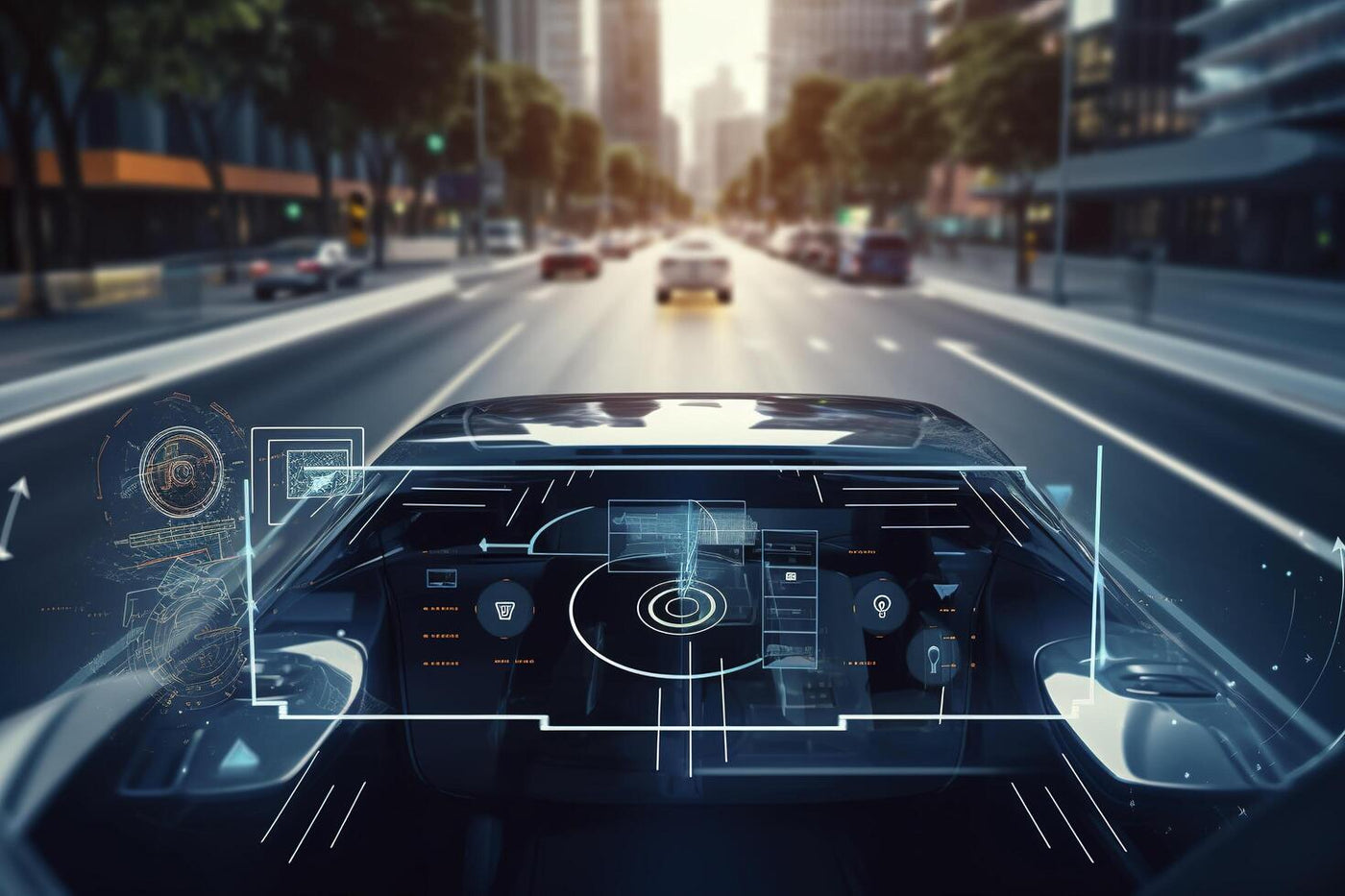
In the rapidly evolving world of automobiles, smart car features have become more than just a luxury—they are essential components that enhance the overall driving experience. With advancements in technology, these features offer a plethora of benefits ranging from improved safety to increased convenience. This article will delve into the various advantages of smart car technology and why they should be on every driver's radar.
Understanding Smart Car Features
Smart car features encompass a wide range of technologies that ensure a more connected and user-friendly driving experience. From advanced driver-assistance systems (ADAS) to infotainment technology, these features integrate seamlessly into the fabric of modern vehicles. Understanding what smart features are available is crucial for any car owner looking to upgrade or purchase a new vehicle.
What Are Smart Car Features?
Smart car features include a variety of technological innovations designed to improve safety, convenience, and connectivity. Common examples include:
- Adaptive Cruise Control
- Lane Keeping Assist
- Autonomous Parking
- Collision Avoidance Systems
- Smart Infotainment Systems
- Vehicle-to-Vehicle (V2V) Communication
These features rely on sophisticated sensors, cameras, and software that collectively create a safer and more enjoyable driving environment.
The Safety Benefits of Smart Features
One of the primary advantages of smart car features is the enhancement of safety. With a significant number of accidents occurring every year due to human error, manufacturers have been creating innovative systems to assist drivers.
Accident Prevention
Advanced driver-assistance systems (ADAS) play a vital role in reducing accidents. Features such as:
- Automatic Emergency Braking
- Blind Spot Monitoring
- Rear Collision Warning
help detect potential threats on the road and take necessary actions to prevent collisions. The timely alerts provided by these systems can mean the difference between a near miss and a serious accident.
Boosting Driver Awareness
Smart features, including heads-up displays and forward-collision alerts, keep the driver aware of their surroundings. These technologies provide real-time information, allowing drivers to focus on the road ahead. The result is a more informed driver who can make better decisions in critical situations.
Enhancing Convenience with Smart Technologies
The convenience offered by smart car features is another notable advantage. In today’s fast-paced world, time is of the essence, and smart technologies help save time and effort.
Smart Infotainment Systems
Modern vehicles come equipped with sophisticated infotainment systems that connect seamlessly to smartphones, offering features like:
- Navigation Assistance
- Voice Control
- Smartphone Integration
With just a few voice commands or taps on a touchscreen, drivers can access their favorite apps, listen to music, or get directions without taking their hands off the wheel or their eyes off the road.
Remote Control Features
Smart cars allow drivers to control various functions remotely, such as:
- Starting the Engine
- Climate Control
- Locking/Unlocking Doors
This feature is particularly beneficial in extreme weather, ensuring that the car is comfortable by the time the driver hops in. The ability to monitor the vehicle's status via a smartphone also provides peace of mind.
Cost Efficiency with Smart Car Features
Incorporating smart technologies into vehicles can lead to significant cost savings. While there may be an upfront expense associated with purchasing a vehicle equipped with these features, the long-term benefits often outweigh the initial investment.
Fuel Efficiency
Many smart car features are designed to enhance fuel efficiency. For instance, adaptive cruise control can adjust your speed based on the flow of traffic, reducing unnecessary acceleration and braking. Similarly, smart driving feedback helps drivers adopt more efficient driving habits, ultimately saving money at the pump.
Maintenance Monitoring
Smart vehicles often have built-in systems that alert drivers when maintenance is required. Features that monitor engine performance, tire pressure, and fluid levels are invaluable in preventing costly repairs and extending the lifespan of the vehicle. Keeping everything in check not only saves money but also ensures a smoother ride.
Eco-Friendly Driving with Smart Car Features
In today’s environmentally conscious climate, smart car features contribute to eco-friendly driving practices. By optimizing fuel consumption and encouraging better driving habits, these technologies help reduce carbon footprints.
Promoting Eco-Driving
Many smart features provide feedback on driving habits, suggesting ways to improve fuel economy and reduce emissions. For example, some systems offer insights into how gentle acceleration and deceleration can enhance efficiency. This not only helps the environment but also saves money in fuel costs.
Electric and Hybrid Vehicle Integration
Smart technologies are particularly important for electric and hybrid vehicles, as they help maximize battery life and efficiency. These cars often come equipped with smart charging solutions that can optimize charging times based on energy costs and availability.
The Future of Smart Car Features
The automotive industry is continuously evolving, and smart car features are at the forefront of this revolution. As technology advances, we can expect even more innovative solutions that enhance the driving experience, promote safety, and contribute to environmental sustainability.
Autonomous Driving Technologies
One of the most exciting future prospects for smart vehicles is autonomous driving. Although full autonomy is still on the horizon, advances in AI and machine learning will continue to improve driver-assistance features, setting the stage for safer and more reliable self-driving cars.
Increasing Connectivity
Connected vehicles will also become increasingly common, allowing for better communication between vehicles and infrastructure. Vehicle-to-everything (V2X) communication could revolutionize traffic management, enhance safety, and reduce congestion on the roads.
Stay Informed and Embrace the Change
As consumers become more aware of the benefits of smart car features, the importance of adopting these technologies is clear. Staying informed about the latest innovations in automotive technology will empower drivers to make choices that enhance their overall driving experience. Whether your focus is on safety, convenience, cost efficiency, or sustainability, smart features are paving the way for a future where driving is not just a means of getting from point A to point B, but an intelligent and efficient experience that makes our lives easier and safer. Embrace the change, and enjoy the journey that comes with smarter driving!
