
Overview
AI is transforming the automotive industry by enhancing vehicle design, manufacturing, and operations. Key impacts include automation in manufacturing, predictive maintenance, quality control, and advancements in autonomous vehicles. AI also improves customer experiences through personalized marketing, virtual assistants, and automated customer service. In supply chain management, it aids demand forecasting, supplier management, and risk mitigation. The future promises improved safety features, integrated ecosystems, and intelligent traffic management, making AI essential for a competitive edge in the industry.
Frequently Asked Questions
1. What is artificial intelligence (AI) in the automotive industry?
2. How is AI impacting vehicle manufacturing?
3. What role does AI play in autonomous vehicles?
4. How does AI enhance customer experience in the automotive sector?
5. What future developments can we expect from AI in the automotive industry?
The automotive industry is undergoing a dramatic transformation, thanks to emerging technologies. Among these, artificial intelligence (AI) stands out, reshaping how vehicles are designed, manufactured, and operated. In this blog post, we will explore the various impacts of AI in the automotive world, as well as how it can benefit both consumers and businesses alike. Buckle up, as we take a deep dive into this exciting evolution!
What is AI and Why Does it Matter?
Artificial intelligence refers to the simulation of human intelligence processes by machines, especially computer systems. These processes include learning, reasoning, and self-correction. The significance of AI in the automotive sector can be understood through its various applications, which not only enhance vehicle functionality but also improve safety, efficiency, and the overall driving experience.
The Role of AI in Vehicle Manufacturing
One of the most profound impacts of AI is in the manufacturing process. Automakers are leveraging AI to streamline productions, reduce costs, and improve quality. Let’s look at some specific ways AI is influencing vehicle manufacturing.
1. Automation and Robotics
AI-driven robotics are revolutionizing automotive assembly lines. These robots are programmed to handle intricate tasks with precision, leading to a significant reduction in errors and defects. With the ability to learn from their environment, these intelligent manufacturing systems improve efficiency and decrease production times.
2. Predictive Maintenance
With the help of AI, manufacturers can predict equipment failures before they occur. Using machine learning algorithms, AI systems analyze data from manufacturing equipment to foresee malfunctions. This proactive approach to maintenance results in substantial savings and minimized downtimes.
3. Quality Control
AI is transforming quality control processes by using advanced image recognition technology to detect flaws in products. This automation not only enables inspections to be conducted at a much faster rate but also ensures a higher level of accuracy, thus leading to improved product quality.
AI in Autonomous Vehicles
Self-driving cars are one of the most talked-about advancements in the automotive industry. AI plays a critical role in making these vehicles safer and more efficient on the roads. Let’s explore how AI is paving the way for autonomous driving.
1. Advanced Driver Assistance Systems (ADAS)
AI is the backbone of ADAS technologies, which include features like lane departure warnings, adaptive cruise control, and parking assistance. These systems analyze data collected from various sensors and cameras installed on vehicles to inform real-time decision-making, enhancing driver safety and comfort.
2. Sensor Fusion
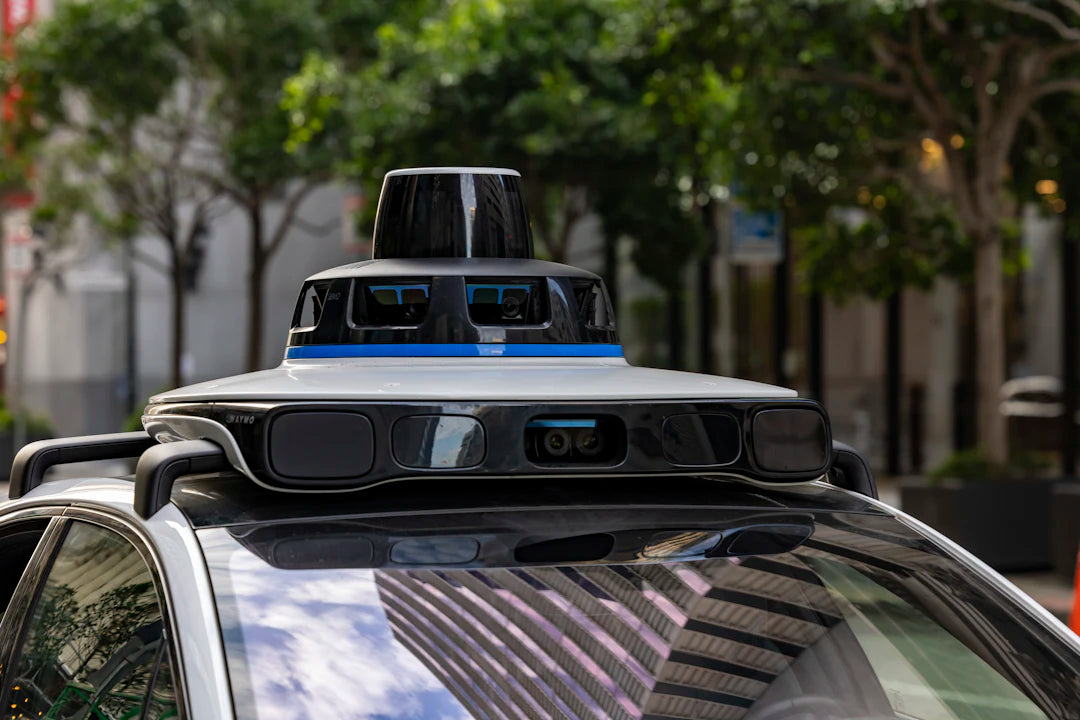
To navigate securely, autonomous vehicles rely on multiple sensors, including radar, lidar, and cameras. AI algorithms merge data from these sensors to create a comprehensive understanding of the vehicle's surroundings. This “sensor fusion” capability is critical for making real-time decisions during travel.
3. Machine Learning for Navigation
Autonomous vehicles rely on machine learning algorithms to improve their navigation systems continuously. By analyzing huge datasets from previous journeys, AI enables self-driving cars to understand traffic patterns, recognize obstacles, and adapt to various driving conditions.
Enhancing Customer Experience with AI
Today's consumers expect more than just vehicles with four wheels; they desire enhanced experiences. AI is fundamentally changing customer interactions in the automotive space. Here are some ways AI is making a difference.
1. Personalized Marketing
Automakers use AI to analyze consumer data to create personalized marketing campaigns. By understanding customer preferences and behaviors, businesses can offer tailored experiences, from advertisements to promotions that resonate with individual consumers. This targeted approach leads to increased engagement and conversion rates.
2. Virtual Assistants
AI-driven virtual assistants in vehicles improve user experience by providing voice-activated controls for navigation, media, and communication. Drivers can focus more on the road while convenient AI solutions handle tasks like setting destinations or placing calls.
3. Customer Service Automation
AI chatbots are becoming commonplace in automotive customer service, offering 24/7 support and immediate responses to inquiries. This technological advancement not only enhances customer experience but also allows businesses to operate efficiently, handling numerous customer queries simultaneously.
AI in Automotive Supply Chain Management
AI has created a seismic shift in supply chain management within the automotive industry. By optimizing processes, businesses can enhance productivity and reduce costs. Here’s how AI is making waves in this area.
1. Demand Forecasting
AI algorithms utilize historical sales data, market trends, and other variables to accurately forecast demand. This predictive capability allows manufacturers to adjust production levels accordingly, minimizing excess inventory and catering to consumer needs more effectively.
2. Supplier Management
AI aids in evaluating supplier performance, helping companies make informed decisions on vendor selection. By analyzing key metrics, manufacturers can optimize their supply chain to ensure timely delivery and quality materials, ultimately enhancing product output.
3. Risk Management
In an ever-evolving market, AI can identify potential risks in the supply chain, such as shortages, price fluctuations, or delays. By anticipating these issues, businesses can implement proactive measures to mitigate disruptions, saving time and resources.
The Future of AI in the Automotive Industry
As AI technology continues to evolve, so does its potential to transform the automotive industry further. That said, here are some predictions for the future of AI in this sector.
1. Improved Safety Features
As AI technologies advance, we can expect even more sophisticated safety features. Enhanced sensors and predictive systems will result in safer vehicles with capabilities like collision avoidance, making our roads much safer.
2. Integrated Ecosystems
Future vehicles are likely to be part of interconnected ecosystems, sharing data with each other and with smart city infrastructure. This interconnectedness could significantly improve traffic flow and reduce congestion, contributing to smarter city living.
3. Intelligent Traffic Management
AI has the potential to optimize traffic patterns by analyzing data from connected vehicles. This technology could lead to improved traffic management systems that reduce wait times, accidents, and emissions in urban areas.
The Bottom Line: Embracing the AI Revolution
The impact of AI on the automotive industry is monumental and multifaceted. From manufacturing efficiencies and enhanced safety features to improved customer experiences, AI is redefining what vehicles can do and how they interact with their environment. As the industry continues to evolve, embracing AI will be vital for businesses looking to maintain competitive advantages and for consumers aiming to enjoy superior experiences on the road.
Whether you are in the market for a new vehicle, involved in the automotive supply chain, or simply fascinated by technology, understanding the role of AI in this industry is increasingly important. By staying ahead of the curve, you position yourself not only to enjoy the benefits of these advancements but also contribute to a safer and more efficient future on the road. The journey has just begun, and the future of automotive AI holds limitless possibilities!