
Overview
The blog discusses the evolution of alternative fuels in the automotive industry, focusing on electric vehicles, hydrogen fuel cells, biofuels, natural gas, and renewable diesel. It highlights the benefits and challenges of each fuel type while emphasizing the need for policy support and consumer adoption to foster a cleaner, sustainable transportation future.
Frequently Asked Questions
1. What are alternative fuels?
2. What is the main benefit of using electric vehicles (EVs)?
3. What are some challenges faced by electric vehicles?
4. How do hydrogen fuel cells work?
5. What are the advantages of using biofuels?
The world of automotive technology is evolving at an unprecedented pace, and the shift towards alternative fuel sources is at the forefront of this transformation. As traditional fossil fuels face constraints concerning environmental impact, global warming, and sustainability, car manufacturers and consumers alike are seeking innovative solutions. This article will explore various alternative fuel sources and their potential to reshape the future of vehicles, ensuring a cleaner, greener planet for generations to come.
Understanding Alternative Fuels
Alternative fuels are those that can replace conventional fuels such as gasoline and diesel. These sources are often derived from resources that are more abundant and sustainable. A key advantage of alternative fuels is their potential to reduce harmful emissions that contribute to climate change and air pollution. This transition not only benefits the environment but can also lead to economic growth and energy independence.
Types of Alternative Fuels
There is a wide range of alternative fuel sources. Let's delve into some of the most promising options:
- Electricity: Electric vehicles (EVs) run on electric power stored in batteries, offering a zero-emission alternative to traditional cars.
- Hydrogen: Hydrogen fuel cells produce electricity through a chemical reaction, emitting only water vapor as a byproduct.
- Biodiesel: Biodiesel is made from vegetable oils or animal fats and can be used in conventional diesel engines without modification.
- Ethanol: Derived from corn, sugarcane, or other biomass, ethanol can be blended with gasoline to reduce emissions.
- Natural Gas: Compressed Natural Gas (CNG) is a cleaner burning fuel often used in heavy-duty vehicles.
- Renewable Diesel: Unlike biodiesel, renewable diesel is chemically identical to petroleum diesel and can use the same distribution infrastructure.
The Rise of Electric Vehicles
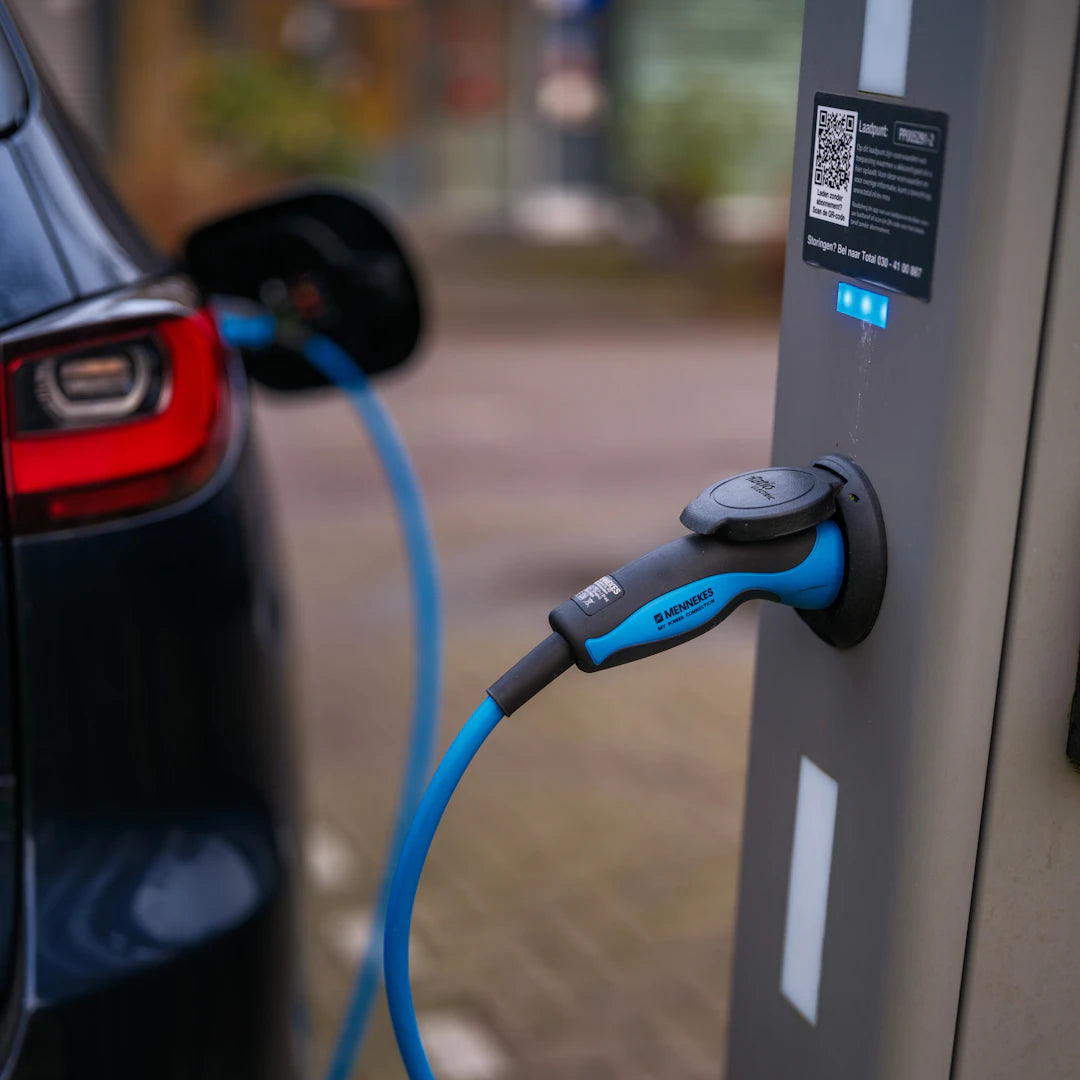
Electric vehicles have gained significant traction in recent years, thanks to advancements in battery technology and charging infrastructure. With the ability to charge at home or through an extensive network of public charging stations, EVs offer unparalleled convenience. The reduced operational and maintenance costs also make them attractive for consumers.
Benefits of Electric Vehicles
- Reduced Emissions: EVs produce no tailpipe emissions, making them an eco-friendly option.
- Lower Operating Costs: Electric vehicles benefit from lower fuel costs and less frequent maintenance.
- Performance: Many electric vehicles offer impressive acceleration and a smooth driving experience.
- Incentives: Government rebates and incentives often encourage the adoption of electric cars.
The Challenges of Electric Cars
Despite their various advantages, electric vehicles face challenges that must be addressed for broader acceptance:
- Charging Infrastructure: While charging stations are on the rise, access remains limited in certain areas.
- Battery Range: A major concern for consumers is the range anxiety associated with electric vehicles.
- Battery Disposal: The environmental impact of battery disposal is a growing concern, highlighting the need for recycling solutions.
Hydrogen: The Fuel of the Future?
Hydrogen fuel cell technology is emerging as a potential game-changer in the quest for alternative fuel sources. Vehicles powered by hydrogen fuel cells operate by converting hydrogen gas into electricity, with water vapor as the only emission. This technology holds promise for sectors that require longer ranges and quicker refueling times.
Advantages of Hydrogen Fuel Cells
- Quick Refueling: Refueling a hydrogen vehicle takes about the same time as filling a gasoline tank.
- Long Range: Hydrogen vehicles can travel distances comparable to gasoline vehicles on a single tank.
- Clean Emissions: The only byproduct of this process is water, making it extremely eco-friendly.
Barriers to Adoption
Despite its potential, hydrogen technology faces significant obstacles:
- Production Issues: Producing hydrogen efficiently and sustainably remains a challenge, with a heavy reliance on fossil fuels in many cases.
- Infrastructure Development: The lack of refueling stations hampers widespread adoption.
- Cost: Hydrogen vehicles tend to be more expensive than their electric counterparts.
Biofuels: A Sustainable Solution
Biofuels, made from organic materials such as crops and waste, offer a renewable solution to fossil fuel dependence. Ethanol and biodiesel are the most commonly used biofuels, and they have been increasingly integrated into existing fuel infrastructures.
Benefits of Biofuels
- Renewability: Biofuels are derived from crops, making them a renewable energy source.
- Lower Carbon Footprint: They can reduce greenhouse gas emissions when compared with traditional fuels.
- Waste Reduction: Utilizing agricultural waste and byproducts for fuel helps reduce landfill waste.
Challenges with Biofuels
As beneficial as biofuels are, several limitations hinder their growth:
- Land Use: Growing biofuel crops competes with land needed for food production.
- Energy Input: The energy spent on producing biofuels can sometimes exceed the energy they provide.
- Processing Costs: Converting raw materials into usable biofuels can be costly and technologically complex.
Natural Gas Vehicles: A Cleaner Alternative
Compressed Natural Gas (CNG) vehicles are another alternative being explored. CNG is known for producing lower emissions compared to gasoline and diesel, making it an attractive option for fleets and public transportation.
Why Choose Natural Gas?
- Reduced Emissions: CNG vehicles emit significantly less CO2 than traditional fuels.
- Cost-Effectiveness: Natural gas is often cheaper than gasoline or diesel, leading to lower fuel costs.
- Abundant Resources: Natural gas is abundant, with many countries having large reserves.
Potential Downsides of Natural Gas
While CNG offers some benefits, there are hurdles to overcome:
- Infrastructure Limitations: There are fewer natural gas refueling stations compared to conventional fueling stations.
- Storage Limitations: CNG takes up more space than liquid fuels, posing challenges for vehicle design.
- Range Limitations: Some CNG vehicles have reduced range compared with gasoline counterparts.
Unleashing the Power of Renewable Diesel
Renewable diesel is another promising alternative fuel. Unlike biodiesel, renewable diesel can be used without blending or modifications to existing engines and fuel systems, making it more appealing for existing infrastructure.
Benefits of Renewable Diesel
- Compatibility: Renewable diesel mimics traditional diesel fuel, allowing it to be used in existing engines without adjustments.
- Reduction of Greenhouse Gases: It can lead to a significant decrease in lifecycle carbon emissions.
- Expanded Feedstock Options: Renewable diesel can be made from a variety of sources, including waste oils and fats.
Challenges Facing Renewable Diesel
However, like other alternative fuels, it faces certain challenges:
- Production Costs: The current production of renewable diesel can be expensive compared to traditional diesel.
- Investment Needs: Large-scale production capacity and technological investments may be necessary for growth.
- Sourcing Feedstocks: Consistent and sustainable sourcing of feedstocks can pose challenges.
The Road Ahead: Advocacy and Policy Changes
The journey towards alternative fuel vehicles entails not just technological advancements but also governmental support and policy changes. Legislative advocacy can play a pivotal role in fostering a supportive environment for the growth of alternative fuels. Industry standards, incentives for clean technology, and public awareness campaigns can boost consumer adoption and investment into alternative fuel technologies.
Key Policy Initiatives
- Subsidies and Tax Credits: Governments can encourage consumers and corporations to adopt cleaner technology through financial incentives.
- Research Funding: Increased funding for alternative fuel research can spur innovation and drive down costs.
- Public Education: Creating awareness about the benefits of alternative fuels can enhance community support and adoption rates.
Join the Green Revolution!
As we look to the future, the adoption of alternative fuel sources is not just a trend; it's a necessity. By embracing these technologies, we can pave the way for a cleaner, more sustainable transportation system. It is essential for consumers, manufacturers, and policymakers to collaborate in empowering this transition.
At Car Breakers, we believe in educating and providing valuable insights into the trends and technological advancements shaping our world. Explore how you can contribute to and benefit from this ongoing revolution in transportation fuel sources.
Wouldn’t it be great if the vehicles of tomorrow ran cleaner and smarter? The journey has already begun; let’s join together on the road to a sustainable future.