
Overview
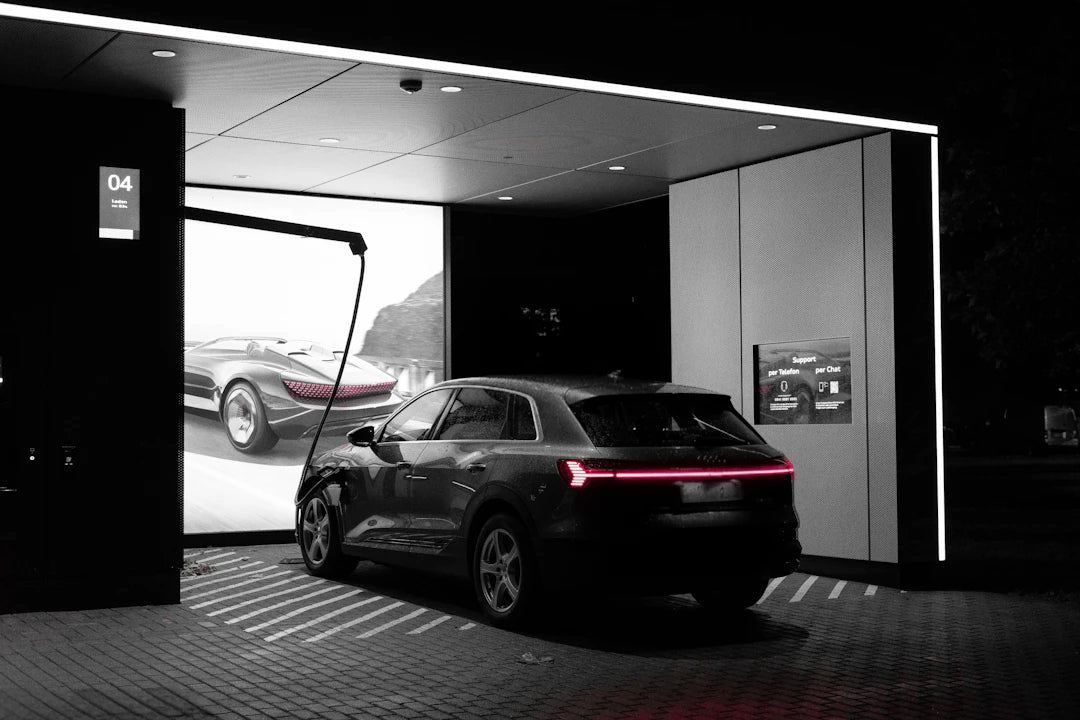
The automotive industry is rapidly evolving in response to changing consumer preferences, emphasizing eco-friendly vehicles, advanced technology integration, and enhanced convenience. Consumers increasingly demand sustainability, influencing automakers to adopt greener practices and innovate through collaborations with tech companies. Social media and online reviews play a significant role in shaping brand perception and loyalty. Emerging trends include autonomous driving, connected vehicles, and personalized designs through 3D printing. To succeed, manufacturers must prioritize customer experience and transparency while adapting to these dynamic preferences.
Frequently Asked Questions
1. What are the major shifts in consumer preferences in the automotive industry?
2. How are automakers responding to changing consumer demands?
3. What role does sustainability play in consumer preferences today?
4. How does social media influence consumer preferences in the automotive sector?
5. What emerging innovations are being shaped by consumer preferences in the automotive industry?
The automotive industry is in a constant state of evolution, influenced heavily by the preferences and demands of consumers. As technology advances and consumer expectations rise, manufacturers must adapt to stay relevant and competitive. This article explores the fascinating relationship between consumer preferences and automotive innovations, examining how they intersect to shape the future of the automotive sector.
The Changing Landscape of Consumer Preferences
In recent years, the landscape of consumer preferences in the automotive industry has shifted dramatically. Factors like environmental consciousness, technological advancements, and changing lifestyles have transformed how consumers interact with their vehicles. Let’s delve into some significant changes in consumer preferences that are affecting automotive innovations today.
Eco-Friendly Vehicles
One of the most profound shifts in consumer preferences is the growing demand for eco-friendly vehicles. As global awareness of climate change and pollution issues increases, consumers are looking for sustainable alternatives. Here are some key aspects driving this trend:
- Electric Vehicles (EVs): More consumers are gravitating toward electric vehicles that offer zero emissions and lower running costs compared to traditional gasoline-powered cars.
- Hybrid Options: Many buyers opt for hybrid vehicles that combine combustion engines with electric power, appealing to those who desire fuel efficiency without fully transitioning to electric.
- Renewable Energy: Consumers increasingly favor manufacturers that utilize sustainable practices in production, from sourcing materials to using solar energy in factories.
Technology Integration
Modern consumers are tech-savvy and expect their vehicles to integrate seamlessly with their digital lives. As a result, automakers are innovating rapidly to meet these demands:
- Infotainment Systems: Consumers desire advanced infotainment systems that offer features like navigation, smartphone connectivity, and voice commands for hands-free operations.
- Advanced Safety Features: Safety has become a top priority, with innovations in driver-assist technologies such as adaptive cruise control, lane-keeping assistance, and automatic emergency braking.
- Personal Data Usage: Personalization options tailored to individual driver preferences, including driving settings and even vehicle aesthetics, are increasingly in demand.
Convenience and Comfort
Another critical aspect of consumer preferences is the desire for convenience and comfort. As lifestyles evolve, so do expectations for what a vehicle should provide:
- Smart Features: Features like keyless entry, remote start, and automated parking are becoming popular, reflecting a societal trend towards comfort and convenience.
- Interior Comfort: Increased emphasis on interior layouts, customizable seating options, and enhanced sound systems show that consumers heavily prioritize comfort in their driving experience.
- Subscription Models: The rise of vehicle subscription services caters to those who seek flexibility and ease of use, allowing consumers to change vehicles as their needs evolve.
How Automakers Are Responding to Consumer Demands
To remain competitive in an industry characterized by such dynamic consumer trends, automakers are innovating at an unprecedented pace. Manufacturers are investing in research and development to create vehicles that align with the preferences of today’s buyers. Innovations include:
Enhanced Electrification
The shift towards electric and hybrid vehicles has prompted manufacturers to enhance their electrification strategies. Companies are expanding their EV line-ups and investing in battery technology to deliver longer ranges and better performance.
Collaboration with Tech Giants
To meet consumer demands for advanced technology, many automakers are collaborating with technology companies. These partnerships lead to the incorporation of cutting-edge technologies such as AI, machine learning, and enhanced connectivity features.
Focus on User-Centric Design
Designing vehicles with a user-centric approach is becoming increasingly important. Automakers are engaging with consumers through surveys and focus groups to gather feedback and preferences, enabling them to tailor their offerings according to actual consumer desires.
The Role of Social Media and Online Reviews
Social media and online reviews have reshaped the way consumers influence automotive innovations. Buyers now have the power to quickly disseminate their opinions, affecting brand perception and sales:
Influencer Marketing
Influencers play a significant role in shaping consumer preferences. When car enthusiasts review vehicles on social media platforms, they can draw attention to innovative features, compelling many buyers to consider new options.
User Reviews and Ratings
Online platforms where consumers can share their experiences and rate vehicles have become essential. Positive reviews on key features or innovations can skyrocket sales, while negative feedback can harm a brand’s reputation.
The Importance of Sustainability in Consumer Preferences
Amid rising awareness of climate change and environmental issues, sustainability has become a non-negotiable aspect of consumer preferences. The automotive industry is responding by adopting greener practices:
- Sustainable Manufacturing: Companies are working to minimize their environmental impact during production, using recycled materials and reducing waste.
- Life Cycle Assessments: Automakers are conducting life cycle assessments to measure the environmental impact from manufacturing to end-of-life disposal, informing innovations to lessen that impact.
- Carbon Offsetting: Some manufacturers are engaging in carbon offsetting programs, allowing consumers to feel good about their purchase decisions.
Emerging Innovations Shaped by Consumer Preferences
As consumer preferences continue to evolve, new automotive innovations are emerging on the horizon:
Autonomous Driving
With consumers expressing a desire for safety and convenience, autonomous driving technology is rapidly being developed. While fully autonomous vehicles are not yet commonplace, advancements in this area are driven by feedback from potential users.
Connected Vehicles
Consumers are looking for connectivity not only in technology but also between vehicles and infrastructures. Connected vehicle technology allows cars to communicate with each other, leading to safer roads and enhanced traffic management.
3D Printing in Automotive Design
3D printing is set to revolutionize how vehicles are manufactured. Consumers are starting to favor customization options that can be efficiently produced through this innovative technology, allowing for personalized vehicle designs at lower costs.
Consumer Preferences and Brand Loyalty
Understanding consumer preferences is essential for fostering brand loyalty in the automotive sector. Brands that align closely with consumer values and expectations have a better chance of retaining customers:
Brand Transparency
Modern consumers desire transparency from brands regarding sustainability efforts, labor practices, and product sourcing. Brands that communicate openly about their efforts in these areas can build trust and loyalty.
Customer Experience
A seamless, positive customer experience enhances brand loyalty. When consumers feel valued during the purchasing journey and beyond, they are more likely to return to the brand for their future automotive needs.
Paving the Road Ahead
As the automotive landscape continues to change, driven by the evolving preferences of consumers, manufacturers must commit to innovation and adaptability. The influence of consumer preferences is profound, shaping the technologies and features consumers expect in their vehicles. By integrating feedback, investing in sustainable practices, and embracing emerging technologies, the automotive industry can pave a path toward a more connected and innovative future. Embracing these changes will not only benefit consumer satisfaction but is also essential for the companies that seek to thrive in this ever-evolving market.