Overview
The automotive industry must adapt to digital marketing as consumer behavior shifts online. Key strategies include SEO, PPC, content marketing, social media engagement, and email marketing. Businesses should leverage analytics for data-driven decisions and consider emerging technologies for enhanced marketing. A multi-channel approach will help create a cohesive strategy to engage customers and build brand loyalty in a competitive landscape.
Frequently Asked Questions
1. Why is digital marketing important for the automotive industry?
2. What are the key digital marketing strategies for automotive businesses?
3. How does consumer behavior impact automotive marketing?
4. What role does content marketing play in the automotive sector?
5. How can automotive companies effectively utilize social media?
In today's fast-paced world, the intersection of the automotive industry and digital marketing is becoming more critical than ever. As consumers rapidly shift to online browsing and purchasing, automotive businesses must adapt to keep up with changing consumer behavior. This blog post explores how digital marketing strategies can be effectively utilized within the automotive sector, driving traffic and enhancing customer engagement.
Understanding the Automotive Landscape
The automotive industry has long been reliant on traditional marketing methods, such as billboards, TV ads, and print media. However, the digital age has transformed customer engagement and interaction, making it essential for automotive businesses to embrace innovative digital marketing strategies.
Consumer Behavior in the Digital Space
With the rise of the internet and mobile devices, consumer behavior has shifted significantly. Today's customers conduct extensive research online before making a purchase. According to recent studies, around 90% of car shoppers use online resources during their buying journey. This shift has changed how automotive companies need to market themselves.
- Online Reviews: Customers increasingly rely on reviews and ratings to guide their decision-making.
- Social Media Influence: Social platforms are pivotal in shaping perceptions about automotive brands.
- Mobile Optimization: A majority of users access automotive information through their smartphones.
Digital Marketing Strategies for the Automotive Industry
To thrive in this evolving landscape, automotive businesses can leverage several digital marketing strategies tailored to their needs.
Search Engine Optimization (SEO)
SEO is vital for ensuring that automotive businesses can be found by potential customers. By optimizing website content for specific keywords related to the automotive industry, businesses can improve their visibility in search engine results. Important strategies include:
- Incorporating relevant keywords in website content, meta descriptions, and headers.
- Creating high-quality blog content that answers common automotive questions.
- Optimizing local SEO to attract customers nearby.
Pay-Per-Click (PPC) Advertising
PPC campaigns allow automotive businesses to display ads at the top of search engine results. By targeting specific keywords related to their products or services, websites can drive immediate traffic to their sites. Benefits include:
- Immediate visibility in search results.
- Ability to target specific demographics and locations.
- Flexible budgeting options.
The Power of Content Marketing
Content marketing plays a crucial role in driving customer engagement within the automotive space. This approach not only helps establish authority but also nurtures relationships with potential customers.
Creating Value-Driven Content
Automotive businesses can create value-driven content that addresses customer pain points, provides insights, and answers questions. Effective content ideas include:
- How-to guides on car maintenance.
- Industry news and insights.
- Comparative articles on different car models.
Utilizing Video Marketing
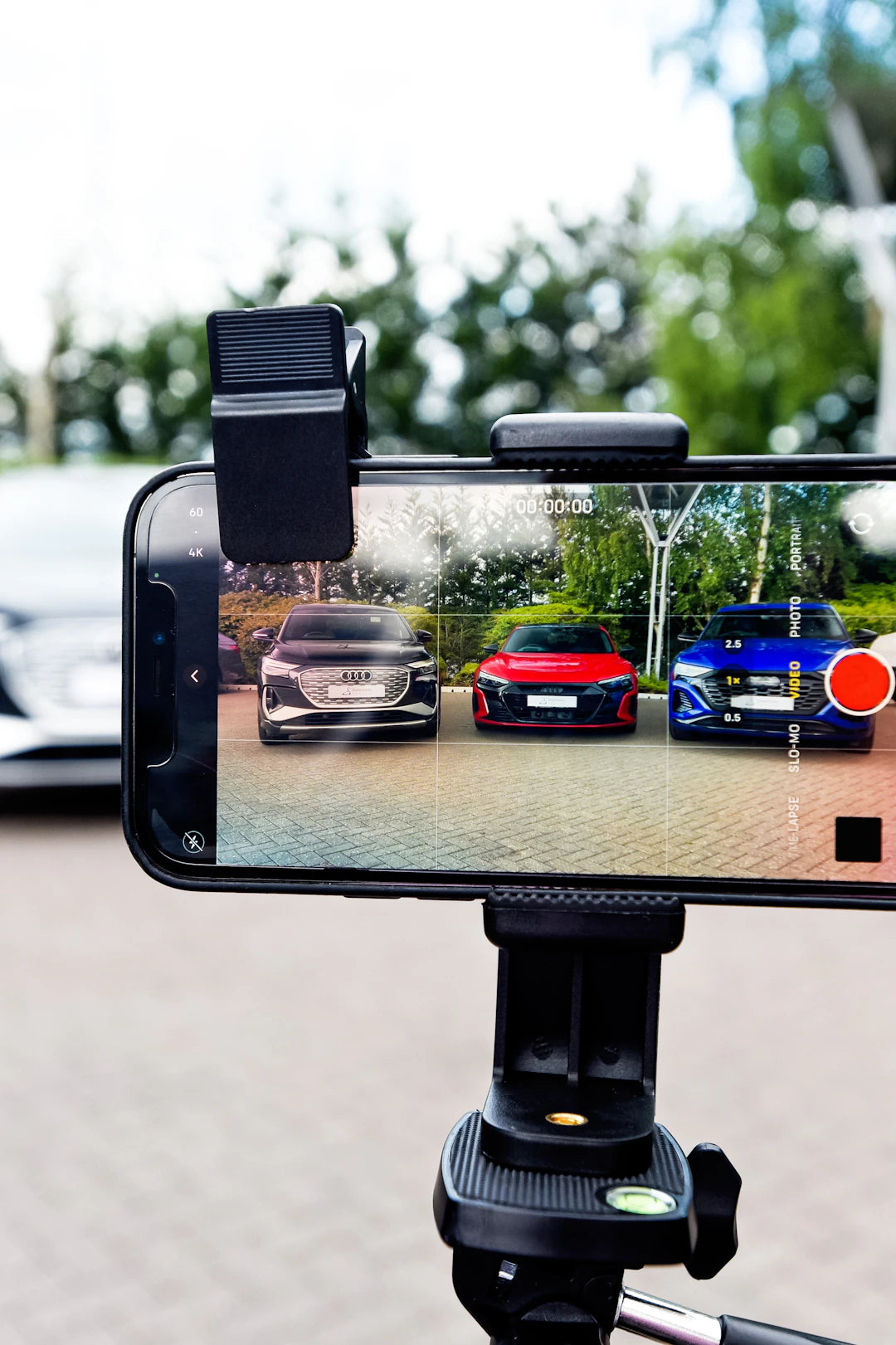
Video content is more engaging than static images or text, making it an effective tool for automotive marketing. Companies can showcase vehicle features, provide maintenance tips, or share customer testimonials through videos.
Social Media Engagement
Social media platforms serve as essential tools for automotive businesses to connect directly with consumers. Maintaining an active presence on platforms like Facebook, Instagram, and Twitter can enhance brand loyalty and visibility.
Building a Community
Creating an online community around your automotive brand can foster deeper connections with your audience. Use social media to:
- Share user-generated content.
- Host interactive polls and contests.
- Engage with customers through comments and messages.
Targeted Advertising on Social Media
Social media allows businesses to run targeted ad campaigns based on user interests, behaviors, and demographics. This precision capability ensures that your automotive ads are seen by the right audience.
Email Marketing’s Role in Automotive Marketing
Email marketing is another powerful digital marketing tool that has proven effective in the automotive sector. Regular newsletters and promotional emails can keep customers informed and engaged.
Segmentation for Better Targeting
By segmenting your email list based on customer preferences or behavior, you can tailor messages to suit specific groups, enhancing the effectiveness of your campaigns. Consider:
- Sending maintenance reminders based on purchase history.
- Offering exclusive promotions to loyal customers.
- Providing insights about new arrivals or upcoming events.
Analytics and Data-Driven Decisions
To adapt and refine digital marketing strategies, automotive businesses must leverage analytics tools to track performance. Understanding customer behavior through metrics can lead to data-driven decision-making to maximize marketing efficacy.
Key Metrics to Monitor
As you analyze your campaigns, keep an eye on these essential metrics:
- Website traffic and sources.
- Conversion rates from various channels.
- Social media engagement rates.
The Importance of A/B Testing
A/B testing allows businesses to experiment with different marketing strategies—such as ad copy, email designs, or content formats—to identify what resonates best with their audience. Implementing A/B tests can significantly enhance your marketing efforts.
The Future of Automotive Digital Marketing
As technology continues to advance, the automotive industry's digital marketing landscape will likely evolve as well. Keeping abreast of these changes is crucial for businesses aiming to maintain their competitive edge.
Integrating Emerging Technologies
Emerging technologies such as artificial intelligence, virtual reality, and augmented reality are becoming integral to marketing strategies. For instance, AI can optimize customer experiences through personalized recommendations, while VR and AR can provide immersive experiences for potential buyers.
Emphasizing Sustainability
As consumers increasingly prioritize sustainability, automotive brands must incorporate eco-friendly practices into their marketing strategies. Highlighting green initiatives and sustainable vehicle options can enhance brand appeal to environmentally conscious consumers.
Unlocking the Potential of Multi-Channel Strategies
In the digital age, adopting a multi-channel marketing approach is essential for reaching diverse audiences. By combining different digital marketing tactics—such as SEO, PPC, social media, and email marketing—automotive businesses can create a cohesive marketing strategy that resonates across multiple platforms.
Creating Synergy Between Channels
Ensuring that all marketing channels work together can amplify your messaging and facilitate a more comprehensive understanding of your brand. For example, linking social media campaigns to email newsletters can drive traffic and engagement across platforms.
The Road Ahead: Embrace and Adapt
The intersection of automotive and digital marketing is a vibrant space filled with opportunities for businesses willing to adapt. As you embrace new strategies and technologies, remember that the key to success is a focus on consumer engagement and providing value. By creating a strong digital presence, automotive businesses can thrive in an increasingly competitive landscape and build lasting relationships with customers.