
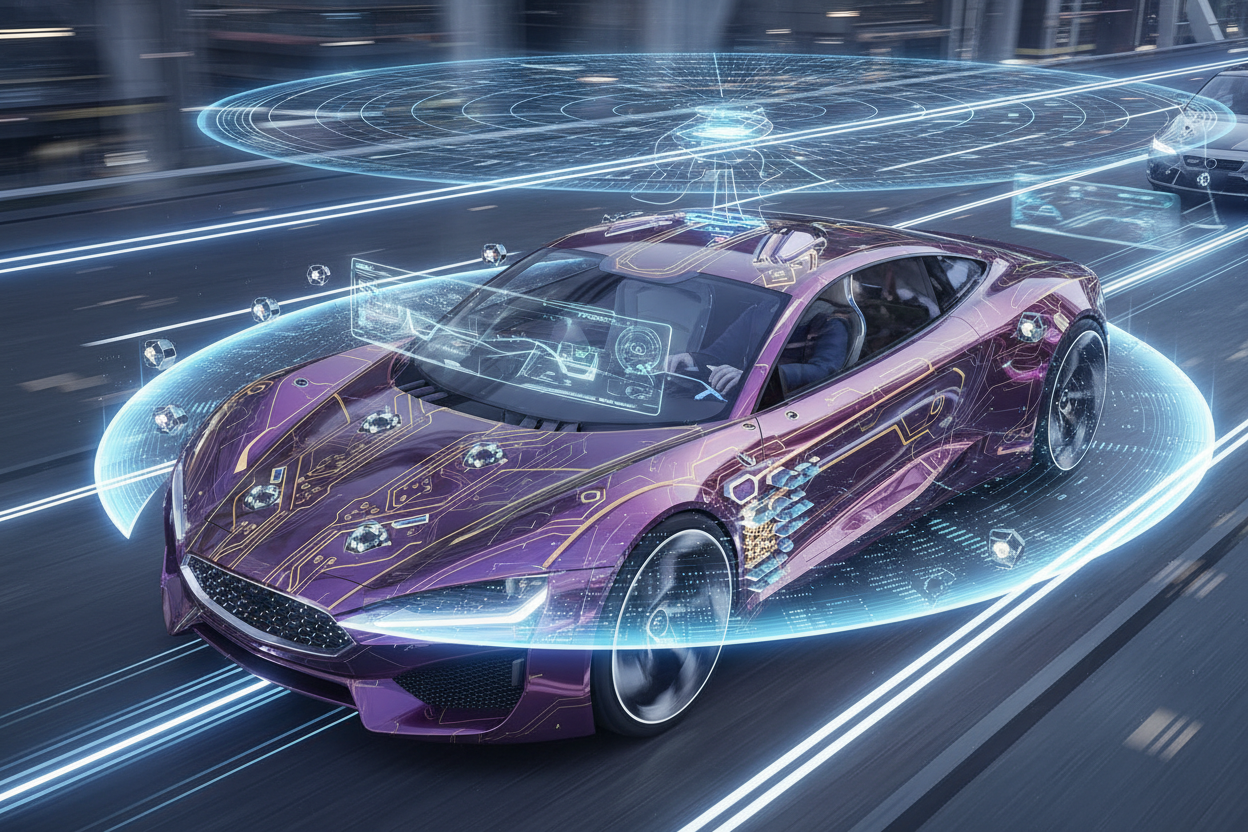
Overview
Automotive safety innovations are transforming road safety through advanced technologies like ADAS, V2X communication, enhanced night vision, Intelligent Speed Assistance, and collision mitigation systems. These features aim to reduce accidents and enhance safety for drivers and pedestrians alike, paving the way for future advancements such as autonomous vehicles and AI integration. Understanding these innovations is key to making informed vehicle choices and contributing to safer roads.
Frequently Asked Questions
1. What are Advanced Driver Assistance Systems (ADAS)?
2. How does Vehicle-to-Everything (V2X) communication enhance road safety?
3. What benefits do enhanced night vision systems offer drivers?
4. What is Intelligent Speed Assistance (ISA) and its impact on road safety?
5. What future trends in automotive safety are anticipated?
In an age where technology dictates our daily lives, the automotive industry is at the cutting edge of safety innovations. With numerous advancements, the way we perceive and manage road safety has transformed dramatically. From automated driving systems to advanced collision detection, the future of automotive safety is bright and promising. In this article, we will explore various innovations in automotive safety features that are reshaping the road experience for everyone involved. Join us on this journey to understand how these sophisticated technologies are not only enhancing vehicle safety but also fostering a more secure driving environment for both drivers and pedestrians alike.
Understanding the Importance of Automotive Safety
Before diving into the latest innovations, it is crucial to appreciate the significance of automotive safety features. Traffic accidents are a leading cause of injury and death worldwide. According to the World Health Organization (WHO), nearly 1.3 million people die each year due to road traffic accidents, with many more suffering serious injuries. This raises the urgent need for enhanced safety measures in vehicles. Innovations in automotive safety not only aim to prevent accidents but also reduce their severity when they do occur. A strong focus on these advancements will ultimately save lives and minimize the impact of road incidents.
Key Innovations in Automotive Safety Features
1. Advanced Driver Assistance Systems (ADAS)
Advanced Driver Assistance Systems, abbreviated as ADAS, have become a benchmark for modern vehicles. These systems utilize a variety of sensors, cameras, and radar technology to assist drivers in navigating complex environments safely. Some of the critical components of ADAS include:
- Adaptive Cruise Control: Maintains a safe distance from the vehicle ahead by adjusting speed automatically.
- Lane Departure Warning: Alerts drivers when the vehicle unintentionally drifts out of its lane.
- Blind Spot Monitoring: Notifies drivers of other vehicles in their blind spots, reducing the risk of lane-change collisions.
- Automated Emergency Braking: Detects potential collisions and automatically applies brakes if the driver fails to respond in time.
ADAS represents a significant leap in automobile safety, as it not only assists drivers but also acts as a fail-safe mechanism to prevent accidents.
2. Vehicle-to-Everything (V2X) Communication
Imagine your vehicle communicating with traffic lights, pedestrians, and other vehicles. This is the groundbreaking concept of Vehicle-to-Everything (V2X) communication. This technology promotes a network where vehicles can exchange information with their surroundings, leading to safer roads. Here are a few functionalities V2X can offer:
- Traffic Signal Preemption: Cars can receive real-time information about traffic lights, enabling them to adjust their speed to avoid stopping unnecessarily.
- Collision Avoidance: Vehicles can warn each other of impending collisions, giving drivers and automated systems valuable time to react appropriately.
- Emergency Vehicle Alerts: Automatically notifying nearby vehicles of approaching emergency vehicles, allowing for smoother traffic flow and improved response times.
Through V2X communication, we can foresee a future where vehicles collaboratively enhance safety on roads, reducing injuries and fatalities.
3. Enhanced Night Vision Systems
Driving at night can be fraught with challenges, particularly when it comes to visibility. With the advent of enhanced night vision systems, drivers now have improved capability to see and react to potential hazards in low-light conditions. Utilizing infrared cameras, these systems can detect pedestrians, animals, and obstacles outside the typical range of conventional headlights. Key advantages include:
- Increased Reaction Time: Enhanced night vision allows drivers to spot dangers much sooner, providing additional time to react and avoid accidents.
- Improved Pedestrian Safety: Identifying pedestrians even in dark environments can significantly reduce the risk of nighttime collisions.
As these systems become more sophisticated, the potential for reducing road accidents during nighttime driving grows significantly.
4. Intelligent Speed Assistance (ISA)
Intelligent Speed Assistance (ISA) is another innovative safety feature gaining traction in automotive design. This system utilizes GPS data and traffic sign recognition technology to automatically adjust the vehicle's speed to ensure compliance with legal speed limits. Benefits include:
- Reducing Speed-Related Accidents: By preventing drivers from exceeding speed limits, ISA has the potential to lower the number of speed-related crashes.
- Promoting Safer Driving Habits: ISA encourages drivers to adhere to speed limits, which can foster a culture of responsible driving.
ISA is not only a tool for individual drivers but a catalyst for safer roads in the wider community.
5. Collision Mitigation Systems
As advancements in technology continue, collision mitigation systems are emerging as a critical element of automotive safety. These systems actively work to detect potential collisions and can initiate measures to protect passengers and other road users. Key features include:
- Automatic Braking: When a collision is imminent, the system can apply the brakes automatically, reducing impacts or avoiding them entirely.
- Active Steering: Some systems can even steer the vehicle away from the impending danger.
- Real-Time Risk Assessment: Ecosystems of sensors and cameras analyze the environment continuously, enabling instant decisions regarding potential impacts.
These life-saving technologies significantly minimize the consequences of accidents, making driving a safer experience.
The Road Ahead: Future Automotive Safety Trends
As we look towards the future, automotive safety innovations are set to evolve even further, pushing boundaries and setting new standards. Here are some anticipated trends that will shape vehicle safety in the coming years:
1. Autonomous Vehicles
The development of fully autonomous vehicles represents one of the most significant safety innovations on the horizon. With vehicles that can operate without human intervention, we may witness a notable decline in accidents caused by human error. By leveraging sophisticated sensor systems and AI algorithms, autonomous vehicles can consistently monitor their surroundings and make safer driving decisions.
2. Advancements in Artificial Intelligence
Artificial Intelligence (AI) is already playing a pivotal role in enhancing automotive safety, and its impact is expected to grow. Predictive analytics powered by AI can analyze driver behavior patterns and recommend personalized safety enhancements to prevent accidents. In addition, AI systems can continually learn from past incidents, improving the response protocols of automated driving technologies.
3. Better Integration of Augmented Reality (AR)
Imagine receiving real-time data overlays directly onto your windshield, highlighting potential hazards and traffic conditions. Augmented Reality (AR) technologies will likely play a more prominent role in automotive safety. With AR, drivers will have increased situational awareness, reducing the risk of accidents in challenging driving conditions.
Why Every Feature Matters
In summary, innovations in automotive safety features are revolutionizing our driving experiences. As technology evolves, we witness a transition from traditional methods to state-of-the-art systems that prioritize safety and prevention. Each advancement plays a vital role in reducing accidents, safeguarding lives, and creating a more secure road environment. From advanced driver assistance systems to the anticipated rise of autonomous vehicles, the automotive industry is striving towards a future where safety is the norm, not the exception.
As consumers, understanding these innovations empowers us to make informed decisions when purchasing vehicles and encourages us to embrace the new safety technologies as they become available. The journey to safer roads is just beginning, and it promises to be as exciting and inspiring as the innovations that fuel it.
Stay ahead of the curve and equip yourself with the latest knowledge about automotive safety features. With your awareness and the commitment of manufacturers to innovate, the roads can be a safer place for everyone!