
Overview
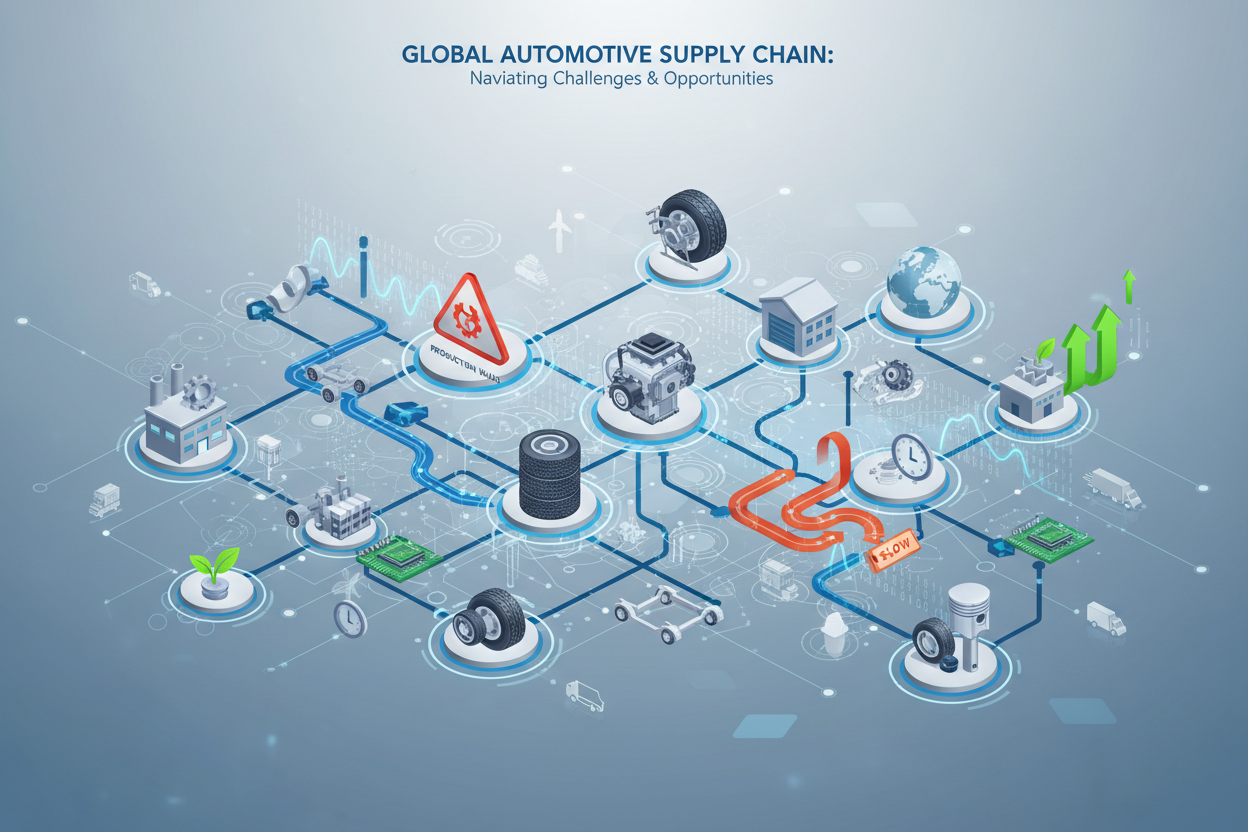
The automotive supply chain is facing significant challenges such as supply disruptions, rising costs, and regulatory pressures, but also presents opportunities through digital transformation, sustainability practices, and collaboration. Businesses can thrive by adapting to consumer preferences and leveraging innovative strategies to enhance resilience and efficiency.
Frequently Asked Questions
1. What are the major challenges facing the automotive supply chain today?
2. How can businesses seize opportunities within the automotive supply chain?
3. What role does digital transformation play in the automotive supply chain?
4. Why is sustainability important in the automotive supply chain?
5. What innovative strategies can automotive supply chain professionals adopt for future success?
The automotive industry is undergoing significant transformations, driven by technological advancements, changing consumer preferences, and global economic fluctuations. As a critical component of this industry, the automotive supply chain faces a variety of challenges, yet simultaneously presents numerous opportunities for businesses willing to adapt. In this blog post, we will explore both the challenges and opportunities within the automotive supply chain, and how they can impact businesses and consumers alike.
Understanding the Automotive Supply Chain
The automotive supply chain is a complex network of manufacturers, suppliers, distributors, and retailers that work together to deliver vehicles and parts to consumers. This intricate system involves numerous stakeholders, from raw material suppliers to assembly plants, all of whom must coordinate efficiently to ensure the smooth flow of products. To optimally navigate this landscape, it is crucial to understand the various challenges and opportunities that arise within it.
Major Challenges Facing the Automotive Supply Chain
Several significant challenges can disrupt the efficiency and effectiveness of the automotive supply chain. Understanding these challenges enables businesses to develop innovative strategies to counteract the risks posed by them.
1. Supply Chain Disruptions
Recent global events, such as the COVID-19 pandemic, resulting in factory shutdowns and transportation restrictions, have highlighted the vulnerabilities of the automotive supply chain. Disruptions like natural disasters, geopolitical tensions, and labor strikes can lead to delays in production and shipment, impacting overall business operations.
2. Increasing Costs
The rising costs of raw materials, labor, and transportation are straining profit margins in the automotive industry. Factors such as inflation, fluctuating commodity prices, and increased demand for electric vehicle components contribute to the complexities of managing costs effectively.
3. Technological Advancements
The rapid rate of technological advancement is both a challenge and an opportunity. While new technologies such as automation, artificial intelligence, and blockchain provide possibilities for efficiency improvements, they also require businesses to invest in training, systems upgrades, and changes in processes to keep up with innovation.
4. Regulatory Compliance
The automotive industry is subject to multiple regulations, including environmental standards, safety regulations, and labor laws. Keeping up with these rules requires dedicated resources and ongoing education, creating additional complexities for supply chain management.
5. Sustainability Pressures
With growing consumer awareness around sustainability, automotive companies are under pressure to demonstrate their commitment to environmentally friendly practices. This can complicate supply chain logistics as companies strive to source sustainable materials and reduce their carbon footprint while remaining competitive in terms of pricing.
Seizing Opportunities in the Automotive Supply Chain
Despite these challenges, the automotive supply chain is ripe with opportunities for innovation and growth. Businesses willing to embrace change can position themselves to thrive in this dynamic environment.
1. Embracing Digital Transformation
The push toward digital transformation offers numerous benefits for the automotive supply chain. Businesses can leverage technologies such as IoT (Internet of Things), AI, and big data analytics to improve visibility, decision-making, and forecasting accuracy. A well-integrated digital framework streamlines operations and provides valuable insights into supply chain performance.
2. Investing in Supply Chain Resilience
Building a resilient supply chain can mitigate the impacts of unexpected disruptions. This involves diversifying suppliers, implementing risk assessment strategies, and establishing strong relationships with key partners. Traders can create backup plans and contingency measures that ensure smooth operations during adverse conditions.
3. Focus on Sustainable Practices
Investing in sustainable initiatives can offer a competitive advantage. By adopting eco-friendly practices, such as sourcing renewable materials and implementing energy-efficient processes, companies can appeal to environmentally-conscious consumers. Additionally, sustainability can lead to cost savings over time through reduced waste and energy consumption.
4. Collaboration Across the Supply Chain
Collaboration is essential for optimizing the automotive supply chain. Companies that work closely with suppliers and distributors can improve communication and transparency, enhancing overall efficiency. Collaborative planning, forecasting, and replenishment can lead to better inventory management and waste reduction.
5. Adaptation to Changing Consumer Preferences
As consumer preferences evolve, automotive businesses must be agile enough to adapt. This includes recognizing trends toward electric vehicles, connected cars, and autonomous driving technology. Flexibility in production and distribution processes can position companies to respond effectively to emerging market demands.
Innovative Strategies for Future Success
To navigate the challenges and turn them into opportunities, automotive supply chain professionals must adopt innovative strategies. Here are a few ideas to consider:
1. Leverage Predictive Analytics
Utilizing predictive analytics can help companies foresee potential issues in the supply chain before they escalate. By analyzing historical data and current trends, businesses can develop forecasts that guide inventory management, production scheduling, and supplier relations.
2. Implement Agile Supply Chain Models
Adopting an agile supply chain model allows businesses to respond quickly to changes in the market, such as consumer demands and supplier availability. This flexibility enables organizations to minimize disruptions and improves their competitive edge in a rapidly changing environment.
3. Foster Innovation and R&D Investments
Continually investing in research and development opens avenues for innovation within the supply chain. Companies should focus on developing new materials, processes, and technologies that can streamline operations and reduce costs in the long run.
4. Enhance Employee Engagement and Training
Empowered employees are essential for success in any supply chain. Providing ongoing training and development opportunities helps individuals understand new technologies, processes, and regulations, which can significantly improve efficiency throughout the organization.
5. Monitor Global Trends
Staying informed about global economic and political trends can help automotive supply chain managers make informed decisions. This information can guide sourcing strategies, production locations, and international partnerships, ensuring a proactive approach to navigating the complexities of the supply chain.
Final Thoughts: Driving Forward in a Changing Landscape
The automotive supply chain is at a crossroads, faced with significant challenges but also abundant opportunities for growth and innovation. By understanding the landscape and embracing dynamic strategies, businesses can navigate these complexities effectively. As the automotive world continues to evolve, staying ahead of challenges while seizing new opportunities will be key to success and sustainability in this fast-paced industry.