
As the automotive industry continues to evolve, understanding the supply chain for automotive parts has never been more crucial. Whether you're a car owner, a mechanic, or a business striving to provide quality automotive components, knowing how the supply chain works can help you make informed decisions, save costs, and ultimately benefit your customers. In this article, we will take a deep dive into the ins and outs of the automotive parts supply chain, exploring its components, challenges, and innovations.
The Importance of the Automotive Supply Chain
The automotive supply chain is a complex network that involves the production and distribution of vehicle components to manufacturers and end-users. A well-functioning supply chain is vital for several reasons:
- Efficiency: Streamlining processes can reduce lead times and improve the speed at which parts are delivered.
- Cost-Effectiveness: An optimized supply chain can lower operational costs, making automotive parts more affordable.
- Quality Control: A robust supply chain maintains the quality of automotive components, ensuring safety and reliability.
- Flexibility: Understanding the supply chain allows businesses to react and adapt quickly to market changes and customer demands.
The Phases of the Automotive Parts Supply Chain
The automotive supply chain consists of several key phases, each playing a critical role in delivering quality parts to the end-users. Let’s break down these phases for a clearer understanding.
1. Sourcing
Sourcing is the first step in the automotive supply chain. This involves identifying and acquiring the necessary materials required to produce automotive parts. Suppliers must demonstrate reliability and consistency in delivering high-quality raw materials. Key elements of sourcing include:
- Supplier Relationships: Establishing strong partnerships with reliable suppliers is essential for maintaining quality and efficiency.
- Cost Analysis: Analyzing the cost structures of potential suppliers helps in making informed sourcing decisions.
- Compliance with Standards: Ensuring that sourced materials comply with industry standards and regulations is crucial for safety and legality.
2. Manufacturing
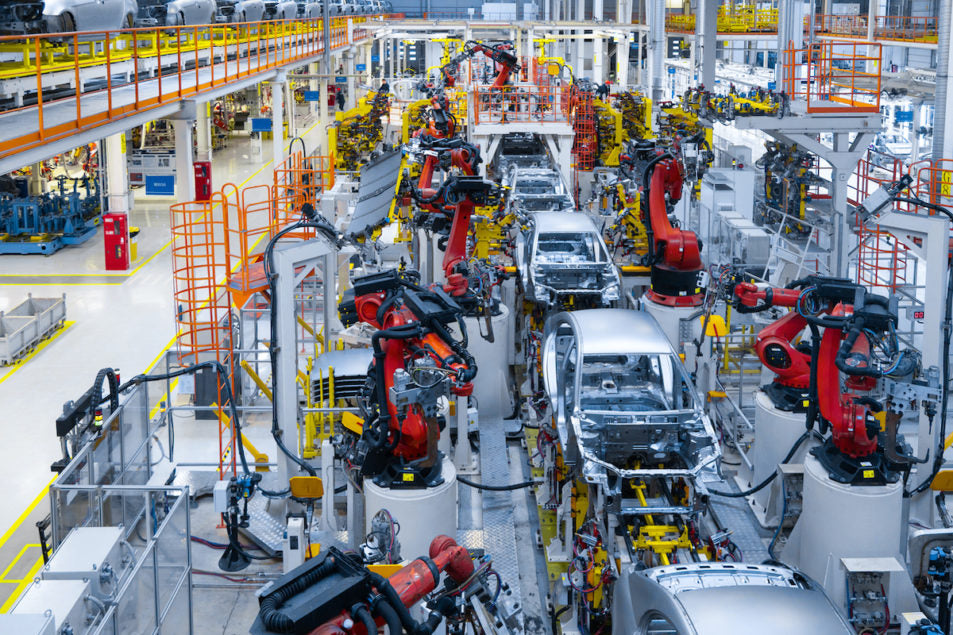
Once the materials have been sourced, the next phase is manufacturing. During this phase, raw materials are transformed into automotive parts. The manufacturing process can include several activities:
- Production Planning: Creating a detailed plan for the production process to optimize resource allocation.
- Quality Assurance: Implementing strict quality control measures to ensure that each part meets the required standards.
- Automation: Utilizing advanced technologies like robotics and AI to enhance production efficiency and accuracy.
3. Distribution
After manufacturing, the parts need to be distributed to various markets. This phase includes:
- Logistics Management: Organizing the transportation and warehousing of parts to ensure timely delivery.
- Inventory Control: Monitoring stock levels to avoid shortages and overstock situations.
- Relationship with Distributors: Developing strong partnerships with distributors can enhance market reach and customer satisfaction.
4. Retail and Customer Delivery
The final phase involves delivering the parts to the end-users. Effective communication and customer service are critical in this stage. Key considerations include:
- Customer Relationships: Building strong relationships with customers helps in understanding their needs and preferences.
- Feedback Mechanism: Implementing feedback systems can help improve service quality and customer satisfaction.
Challenges in the Automotive Supply Chain
While the automotive supply chain is essential for efficient operations, it is not without challenges. Understanding these challenges can aid businesses in developing strategies to overcome them.
1. Globalization
The automotive industry operates on a global scale, making it susceptible to geopolitical issues, trade regulations, and tariffs. Factors such as political unrest can disrupt supply routes and increase costs.
2. Technological Changes
With rapid technological advancements, automotive companies must continuously adapt their supply chain processes. This can be resource-intensive but is necessary to stay competitive.
3. Environmental Regulations
Increased focus on sustainability and environmental regulations means automotive manufacturers need to rethink their supply chain practices, which may involve additional compliance costs and processes.
4. Rising Consumer Expectations
Today's consumers expect fast and efficient service. Meeting these demands can stretch supply chains thin and complicate logistics.
Innovations Shaping the Future of Automotive Supply Chain
Although challenges exist, the automotive supply chain is also experiencing innovative changes that can enhance efficiency and effectiveness.
1. Automation and AI
Automation and artificial intelligence are making waves in supply chain management. From predictive analytics to automated inventory management, these technologies are helping businesses reduce human error and streamline operations.
2. Blockchain Technology
Blockchain technology is gaining traction in supply chain transparency. This can significantly enhance traceability and accountability in sourcing and manufacturing processes, allowing for better management and security of transactions.
3. Sustainability Initiatives
Many companies are adopting greener practices in their supply chain management. This not only minimizes environmental impact but also appeals to the growing demographic of eco-conscious consumers.
Final Thoughts: Navigating the Complex World of Automotive Supply Chain
Understanding the supply chain for automotive parts is crucial for anyone involved in the automotive industry. From sourcing and manufacturing to distribution and retail, each phase plays an integral role in delivering quality components efficiently. While challenges exist, the innovations shaping the industry promise a more streamlined, responsive, and sustainable future. By being well-informed and adaptable, stakeholders can navigate this labyrinthine supply chain effectively, ensuring that they not only meet but exceed customer expectations.
As you venture into the automotive parts industry, keep these insights in mind to better position yourself in a competitive market, ultimately leading to more satisfied customers and a thriving business.