
Overview
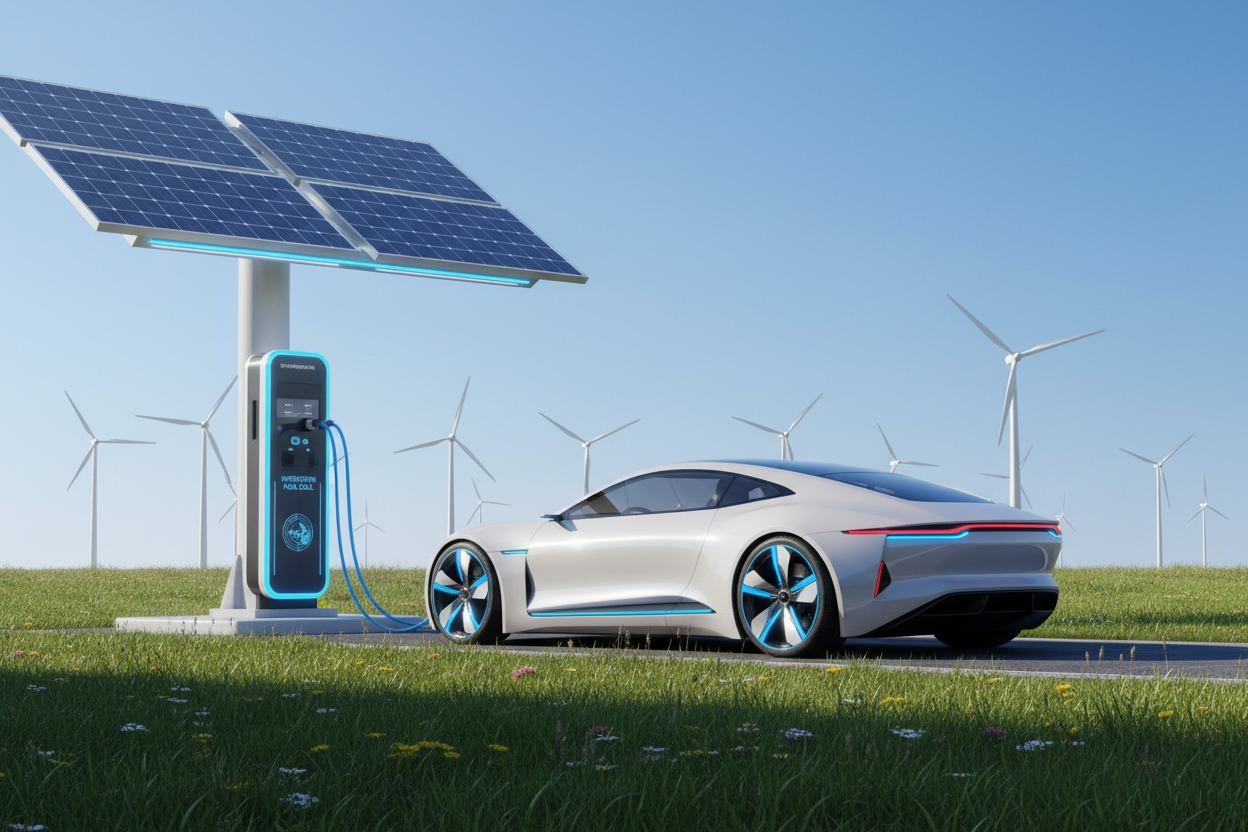
The automotive industry is undergoing a significant transformation towards clean energy, driven by environmental concerns, government regulations, and technological advances. Electric vehicles (EVs) and hydrogen fuel cells are at the forefront of this shift, offering benefits like enhanced performance, cost savings, and zero emissions. However, challenges such as infrastructure development and initial costs remain. As the industry evolves, innovations in battery technology and autonomous vehicles promise to further enhance sustainability and efficiency in transportation.
Frequently Asked Questions
1. What is the significance of clean energy in the automotive industry?
2. What factors are contributing to the shift towards clean energy in the automotive sector?
3. What are the benefits of electric vehicles (EVs)?
4. How do hydrogen fuel cell vehicles differ from electric vehicles?
5. What challenges does the automotive industry face with clean energy adoption?
As the world shifts towards sustainable practices, the automotive industry is at the forefront of this transformation. Clean energy is not only reshaping how we power vehicles but also redefining innovations in automotive technology. From electric vehicles (EVs) to hydrogen fuel cell technologies, clean energy is paving the way for a greener future. In this article, we will delve into the myriad ways clean energy is influencing automotive innovations, its challenges, and what this means for consumers and manufacturers alike.
The Paradigm Shift: Clean Energy Adoption in the Automotive Sector
Over the past decade, there has been a noticeable shift in the automotive sector, primarily driven by global climate change concerns and a growing demand for sustainable alternatives to traditional gasoline and diesel-powered vehicles. The transition to clean energy is not just a trend; it is a necessary evolution for the survival of our planet. Here are several key factors contributing to this paradigm shift:
- Environmental Concerns: With rising awareness of climate change, consumers are increasingly desiring vehicles that have a minimal environmental footprint.
- Government Regulations: Many governments worldwide are imposing stricter emissions regulations, pushing manufacturers to innovate and produce cleaner vehicles.
- Technological Advances: Innovations in battery technology and renewable energy sources have made clean energy vehicles more viable and accessible to the average consumer.
The Rise of Electric Vehicles (EVs)
Electric vehicles are one of the most visible manifestations of clean energy in the automotive sector. As technology advances, these vehicles, once considered a niche market, are now mainstream. Here’s how EVs are revolutionizing the automotive landscape:
1. Enhanced Performance
Modern electric vehicles offer impressive acceleration and torque, often outperforming their gasoline counterparts. The power delivery from electric motors is instantaneous, providing a thrilling driving experience.
2. Cost Savings
While the initial cost of purchasing an electric vehicle may be higher, the long-term savings are significant. EVs typically have lower maintenance costs and reduced fuel expenses. Additionally, with tax incentives and rebates, the financial burden is alleviated for many consumers.
3. Charging Infrastructure Improvements
The expansion of charging infrastructure is critical in encouraging the adoption of electric vehicles. Many cities and businesses are investing in charging stations, making it easier for EV owners to recharge on the go. As more charging points are installed, range anxiety decreases, allowing for greater confidence among potential buyers.
Hydrogen Fuel Cells: A Compelling Alternative
While electric vehicles dominate the conversation of clean energy in automotive innovations, hydrogen fuel cells represent another significant advancement. Hydrogen-powered vehicles produce zero emissions, emitting only water vapor as a byproduct. Let's explore the benefits of hydrogen fuel cells:
1. ZEV (Zero Emission Vehicle) Status
Hydrogen fuel cell vehicles (FCVs) are classified as zero-emission vehicles, making them a compelling option for environmentally conscious consumers and businesses.
2. Quick Refueling
Refueling a hydrogen fuel cell vehicle takes about the same time as traditional gasoline vehicles, typically around 5 minutes. This offers a significant advantage over electric vehicles, which can take anywhere from 30 minutes to several hours to recharge, depending on the charging station.
3. Long Range
Hydrogen vehicles can travel longer distances on a single tank than many electric vehicles on a single charge. This makes them ideal for long-distance travel, further enhancing their appeal.
Battery Technology Innovations
As electric vehicles proliferate, advancements in battery technology are crucial for enhancing performance, reducing costs, and extending the range. Here are some key areas where battery technology is innovating:
1. Solid-State Batteries
Solid-state batteries represent a promising leap forward in battery technology. Offering higher energy densities and improved safety by eliminating flammable liquid electrolytes, solid-state batteries could potentially revolutionize the EV industry.
2. Faster Charging Solutions
Technological innovation is not limited to the design of batteries themselves. Research into ultra-fast charging solutions is underway, aiming to make recharging as quick and easy as filling a tank with gasoline.
3. Recycling and Sustainability
With the rise of electric vehicles comes an urgent need for sustainable battery production and recycling methods. Companies are investing in innovative recycling processes to repurpose raw materials, reducing environmental impact and reliance on new mining.
Autonomous Vehicles and Clean Energy
The trend toward automation in the automotive industry is also intersecting with clean energy innovations. Autonomous electric vehicles are paving the way for safer and more efficient travel while being environmentally conscious. Here’s how:
1. Efficient Traffic Management
Autonomous vehicles can optimize driving patterns, reducing congestion and minimizing energy consumption. By leveraging real-time traffic data and smart routing, these vehicles can enhance overall efficiency.
2. Car-Sharing and Reductions in Vehicle Ownership
As the popularity of autonomous vehicle technology increases, so does the potential for car-sharing services. This model reduces the number of cars on the road, lowering overall emissions and energy consumption.
3. Enhanced Urban Mobility
Autonomous electric shuttles could provide clean, efficient transportation in urban areas, connecting neighborhoods without impact to air quality. This innovation could facilitate multi-modal transport systems, integrating cycling, walking, and public transit with clean-energy vehicles.
Challenges Ahead for Clean Energy in the Automotive Industry
While the potential of clean energy in the automotive sector is enormous, there are challenges that manufacturers and consumers must navigate. Understanding these obstacles is vital for advocates of sustainability:
1. Infrastructure Development
The success of clean energy vehicles largely depends on the availability of charging stations and hydrogen refueling points. Continued investment and strategic planning by governments and private enterprises are crucial for enhancing infrastructure.
2. Initial Costs
Although operating costs are lower, the upfront cost of electric and hydrogen vehicles can be a barrier for many consumers. Ongoing efforts to produce affordable options will be essential for wide-scale adoption.
3. Battery Disposal and Recycling
As electric vehicle adoption surges, so too does the challenge of handling batteries at the end of their life cycle. Innovative recycling solutions and responsible disposal methods are critical to minimize environmental damage and resource depletion.
Looking Towards the Future: What Lies Ahead?
The automotive industry is see-sawing towards clean energy as a viable future, bringing with it a wave of innovations that promise improved performance, reduced environmental impact, and enhanced consumer experiences. Industry leaders are investing heavily in research and development, with companies racing to achieve breakthroughs that will further elevate clean energy solutions in vehicles.
1. Government Incentives and Legislation
As the demand for sustainable transportation grows, powerful policies that promote clean energy adoption are expected. Government grants, tax incentives, and comprehensive laws aimed at reducing carbon footprints are all crucial elements of this transition.
2. Global Collaborations
Collaboration across borders is becoming increasingly important. By sharing technology, resources, and scientific research, nations can accelerate the pace of automotive innovations in clean energy solutions.
3. Cultural Shifts in Consumer Behavior
Consumers are becoming more environmentally conscious, leading to cultural shifts in owning and using vehicles. As awareness of the benefits of clean energy vehicles grows, the market will become more receptive to sustainable innovations.
A Roadless Traveld: Embrace the Journey Ahead
The role of clean energy in automotive innovations is not just a passing trend; it is a dynamic journey that will shape the future of transportation. As the industry continues to evolve in response to consumer needs, advancements in technology and increases in infrastructure will pave the way for a cleaner, greener future. Embracing these innovations will not only benefit consumers, but also protect our planet for future generations.
As you navigate this shift, remain informed about the latest developments in the automotive sector and choose sustainable options that align with your values. Together, let’s drive toward a clean energy future in automotive innovations!