
Overview
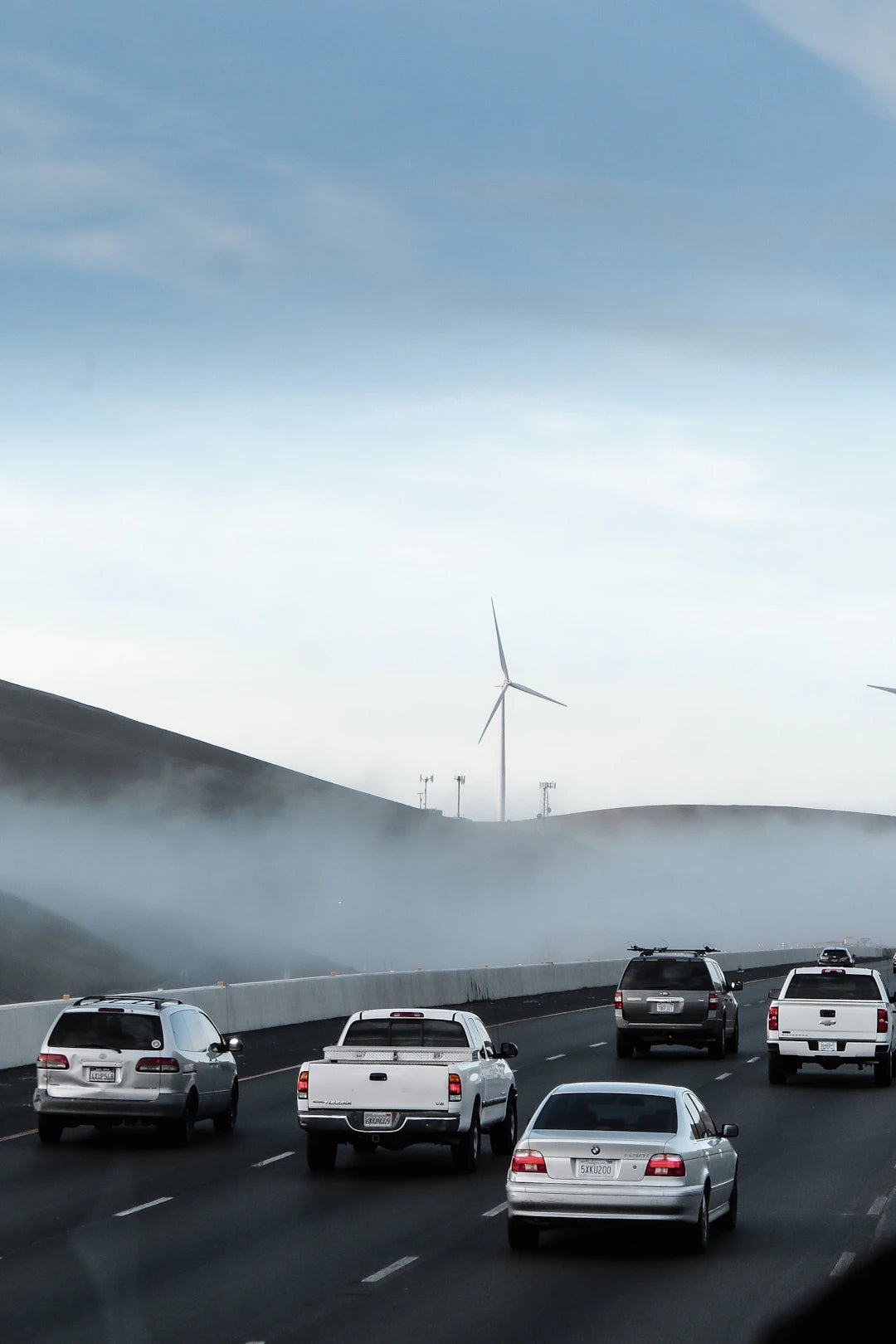
Climate change is significantly impacting the automotive industry, leading to stricter emissions regulations, a push for electric vehicles, and changes in taxation policies. Governments are setting ambitious targets to reduce greenhouse gas emissions, while automakers are adapting by investing in green technologies and collaborating with regulatory bodies. Consumers are increasingly choosing sustainable options, resulting in a shift towards hybrid and electric vehicles. The future will likely see more autonomous electric vehicles and comprehensive climate action plans, emphasizing the need for informed consumer choices and industry innovation.
Frequently Asked Questions
1. How is climate change affecting the automotive industry?
2. What measures are being taken globally to address automotive emissions?
3. What role do electric vehicles play in this transformation?
4. How are taxation policies changing in relation to vehicles?
5. What can consumers do to prepare for changes in automotive regulations?
Climate change is no longer a distant threat—it's here, and it's affecting every aspect of our lives, including the automotive industry. With increasing global temperatures, rising sea levels, and more catastrophic weather events, governments around the world are being forced to rethink their regulations concerning vehicles. In this blog, we’ll dive deep into how climate change is influencing automotive regulations, the implications for manufacturers and consumers, and what the future holds.
The Link Between Climate Change and Automotive Emissions
Automobiles are a significant source of greenhouse gas emissions, contributing to air pollution and global warming. According to the Environmental Protection Agency (EPA), transportation accounted for 29% of total greenhouse gas emissions in the United States in recent years. In light of this, many countries are implementing stringent regulations to reduce vehicular emissions.
Global Initiatives
Countries like Norway and the Netherlands have set ambitious targets to phase out the sale of internal combustion engine vehicles by 2025 and 2030, respectively. This reflects a growing consensus that immediate action is necessary to combat climate change. In the European Union, the European Commission has proposed a reduction of greenhouse gas emissions from transport to 55% by 2030 compared to 1990 levels. These initiatives are indicative of the greater global push toward cleaner automotive solutions.
Changes in Emission Standards
As climate change becomes a more pressing issue, many regions are tightening their emissions standards. For instance, the European Union introduced the Euro 6 standard in 2014 to limit nitrogen oxide and particulate matter emissions from vehicles. Such regulations are here to stay and are only expected to become stricter.
The Role of Electric Vehicles
The rise of electric vehicles (EVs) is also a significant aspect of this paradigm shift. Regulations now often include incentives for manufacturers to increase the production of EVs, alongside a commitment to reduce emissions. Countries around the world are not only implementing stricter fuel economy standards but also offering tax breaks, rebates, and even grants for both manufacturers and consumers who make the switch to electric. This change indicates that traditional vehicles are on borrowed time, making way for innovations in battery technology and renewable energy.
Taxation Changes Impacting Automotive Markets
As part of the broader climate change agenda, both local and national governments are revisiting taxation policies on vehicles. Some of the changes include higher taxes on high-emission vehicles, while tax breaks and incentives are being made available for low-emission and electric vehicles.
The Impact on Consumer Choices
- Shifting Preferences: More consumers are now gravitating towards environmentally sustainable options due to both ethical considerations and financial incentives.
- Long-Term Investments: As regulations tighten, hybrid and electric vehicles are becoming more appealing investments for consumers wanting to stay ahead of changes.
- Fuel Efficiency: Buyers are increasingly considering fuel efficiency and the environmental impact in their purchase decisions, steering the market towards greener alternatives.
The Automotive Industry’s Response
Automakers are not passive observers in this changing landscape. Many manufacturers are proactively adapting their business models to comply with new regulations and meet consumer demand for sustainable options.
Investment in Green Technologies
The automotive industry has seen billions invested in research and development for cleaner technologies. Companies like Tesla, Volkswagen, and Ford are aggressively expanding their electric vehicle lineups while investing in advanced battery technologies, autonomous driving, and mobility solutions.
Collaboration with Governments and NGOs
Manufacturers are also collaborating with governments and non-governmental organizations (NGOs) to navigate emerging regulations. Many brands are engaging in transparency regarding their environmental impact and setting ambitious sustainability targets. This not only aligns with regulatory requirements but also builds brand loyalty among eco-conscious consumers.
Global Regulatory Challenges
While local and national initiatives have emerged, global standards remain a challenge. Different countries and regions have varying regulations, which can complicate efforts for automakers that operate on an international scale.
The Need for Harmonization
There is a growing call for harmonization of standards between nations to facilitate smoother operations for car manufacturers. From emissions testing to electric vehicle specifications, a unified approach could enhance compliance and efficiency across borders.
Future Predictions: What Lies Ahead
So, what does the future hold for automotive regulations in light of climate change? Industry experts predict that we will see a rapid evolution in vehicle technology and enforcement of regulations.
Increase in Autonomous Electric Vehicles
As cities grapple with congestion and pollution, the future may see an increase in autonomous electric vehicles (AEVs). These vehicles promise to reduce traffic accidents, improve fuel efficiency, and decrease emissions, all while enhancing urban mobility.
Comprehensive Climate Action Plans
Regulatory bodies will likely develop comprehensive climate action plans that encompass not only automotive emissions but also encourage shifts in urban planning, public transportation, and renewable energy sources. This multifaceted approach aims to address climate challenges holistically.
How You Can Prepare
For individuals and businesses alike, staying informed and adapting to changing regulations is crucial. Here are some steps you can take:
- Stay Educated: Keep yourself updated on local and international regulations regarding automotive emissions and sustainability.
- Consider Your Vehicles: If you're in the market for a new vehicle, consider the long-term impact of your choices on emissions and energy usage.
- Engage in the Conversation: Participate in community discussions about climate initiatives, and advocate for sustainable policies that promote automotive innovations.
The Road Ahead: Embracing a Green Future
As we look toward the future, it's clear that climate change is a catalyst for dramatic shifts in automotive regulations and industry practices. By embracing these changes, we can not only curb our environmental footprint but also drive innovation and economic growth in the automotive sector. The responsibility lies in our hands—as consumers, manufacturers, and global citizens—to ensure we steer toward a sustainable and prosperous future.