Overview
- V2X communication enables vehicles to exchange information with each other and their environment, enhancing road safety and traffic efficiency.
- Key benefits include early collision warnings, improved pedestrian safety, and optimized traffic flow through adaptive signals.
- 5G technology is crucial for V2X, providing low latency and high data capacity necessary for real-time communication.
- Challenges for adoption include standardization, cybersecurity, and regulatory frameworks.
- The future of connected vehicles promises smart parking solutions, usage-based insurance, and integration with smart city infrastructure.
Frequently Asked Questions
1. What is V2X communication?
2. How does V2X communication improve road safety?
3. What role does 5G play in V2X communication?
4. What are some challenges of implementing V2X communication?
5. What future applications can we expect from connected vehicles and V2X communication?
The automotive industry is undergoing a seismic shift with the rise of connected cars. This transformation goes beyond just having a car with advanced technology; it’s about creating a sophisticated network of vehicles that can communicate with one another and their surroundings. At the heart of this revolution is Vehicle-to-Everything (V2X) communication, a critical innovation that promises to enhance road safety, improve traffic efficiency, and offer innovative services. In this blog post, we’ll delve into the importance of V2X communication and how it is shaping the future of transportation.
Understanding V2X Communication
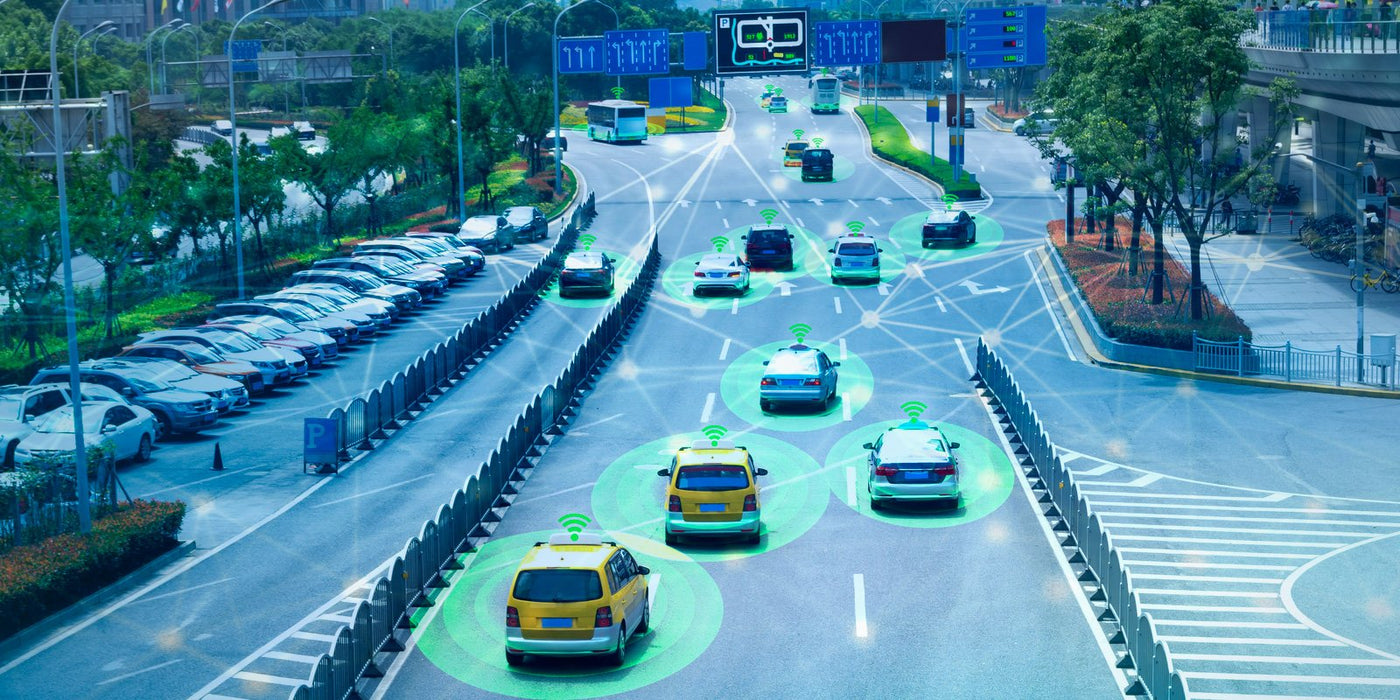
V2X communication refers to the exchange of information between vehicles and various elements of the traffic environment. It includes:
- Vehicle-to-Vehicle (V2V): Communication between cars to share information such as speed, location, and direction.
- Vehicle-to-Infrastructure (V2I): Interaction between vehicles and roadside infrastructure, like traffic lights and road signs.
- Vehicle-to-Pedestrian (V2P): Communication with pedestrians and cyclists to enhance safety.
- Vehicle-to-Network (V2N): Connections with mobile networks to provide updates and data services.
Each aspect of V2X communication plays a vital role in creating a cohesive transportation network that prioritizes safety and efficiency. By sharing message data, connected cars can anticipate hazards, optimize routes, and keep all road users informed.
The Safety Revolution
One of the most significant advantages of V2X communication is the improvement it brings to road safety. Vehicle-to-Vehicle (V2V) communication allows cars to send and receive alerts about potential collisions, road conditions, and traffic congestion. This real-time sharing of critical information can significantly reduce the likelihood of accidents.
Early Collision Warnings
Imagine driving down a busy street, and suddenly your car receives a notification that a vehicle ahead has abruptly braked. With V2V communication, your car can warn you in advance, giving you precious seconds to react and avoid a potential crash. This early warning system is a game-changer, especially in urban environments where reaction times can determine the outcomes of close calls.
Enhancing Pedestrian Safety
Pedestrian safety is another facet that will benefit immensely from V2X technology. Vehicle-to-Pedestrian (V2P) communication can alert drivers about nearby pedestrians, especially in busy areas or during low visibility conditions. For instance, if a pedestrian is attempting to cross the street, their smartphone could communicate with approaching vehicles, prompting them to slow down or stop. This proactive approach can drastically reduce pedestrian fatalities and injuries, making cities safer for everyone.
Improving Traffic Flow
V2X communication continues to pave the way for smarter cities through optimized traffic management. Vehicle-to-Infrastructure (V2I) communication, for instance, can streamline traffic signals based on real-time traffic conditions. Here’s how it works:
- Adaptive Traffic Signals: Traffic lights can adjust their timing based on vehicle flow, reducing wait times and minimizing congestion.
- Incident Detection: If a vehicle experiences a breakdown or accident, it can send a signal to traffic management centers, allowing for quicker response times and traffic rerouting.
- Navigation Optimization: Cars can receive real-time updates about road conditions, construction, or accidents, allowing drivers to change their routes for a smoother journey.
These advancements not only improve individual driving experiences but also contribute to reduced emissions by minimizing stop-and-go traffic, setting the stage for greener urban environments.
V2X and Autonomous Vehicles
As automobile technology evolves, one of the most anticipated trends is the rise of autonomous vehicles. V2X communication serves as the backbone for self-driving cars, allowing them to collect and analyze information from their surroundings effectively.
Enhanced Situational Awareness
For autonomous vehicles, the ability to communicate with other road users is essential. Traditional sensors and cameras have limitations, particularly in complex traffic situations. Through V2X, self-driving cars can gain a more comprehensive understanding of their environment, leading to better decision-making.
Collaboration with Human Drivers
Moreover, as long as human drivers remain on the roads, the ability for connected cars to exchange information will be paramount. The intersection of fully autonomous vehicles and human-driven cars will necessitate seamless communication to ensure safety and efficiency. This collaborative approach helps to bridge the gap, making the transition to autonomy smoother and safer.
The Role of 5G in V2X Communication
The evolution of V2X communication is intrinsically linked to the advent of 5G technology. With its ultra-low latency and high data transmission speeds, 5G creates the ideal environment for V2X communications to thrive. Here’s how:
- Real-Time Communication: 5G ensures that messages transmitted between vehicles and infrastructure are received almost instantaneously, allowing for quicker reaction times in emergencies.
- Increased Data Capacity: As connected vehicles generate massive amounts of data, 5G can handle this influx, enabling more devices to connect simultaneously without loss of performance.
- Enhanced Services: With improved connectivity, services such as remote diagnostics and over-the-air updates will become commonplace, extending the life and performance of vehicles.
This synergy between V2X communication and 5G technology is set to drive the next wave of automotive advancements, making connected cars not only smarter but also more reliable.
Challenges and Considerations
While the benefits of V2X communication are clear, several challenges need to be addressed before its widespread adoption:
- Standardization: There is a pressing need for unified standards across manufacturers and regions to ensure compatibility and seamless communication between vehicles.
- Cybersecurity: As vehicles become more connected, the risk of hacking and unauthorized access increases. Robust security measures must be established to protect users’ privacy and safety.
- Regulatory Frameworks: Governments and regulatory bodies must develop policies that support the safe integration of V2X technology into existing infrastructures and ensure equitable access.
Addressing these challenges is essential to realize the full potential of V2X communication and ensure a future where connected cars can safely operate alongside traditional vehicles.
The Future of Connected Vehicles
Looking ahead, the emergence of connected vehicles and V2X communication represents a paradigm shift in transportation. As we embrace smart mobility, the possibilities seem endless. We can expect various innovative applications, such as:
- Smart parking solutions: Connected vehicles may negotiate parking availability and even reserve spots autonomously.
- Usage-based insurance: Insurance models may evolve to leverage driving data derived from V2X communications, offering lower premiums for safe drivers.
- Integration with smart cities: V2X technology will play an integral role in the development of smart cities, where traffic management, public transport, and urban planning work together seamlessly.
As technology evolves, the integration of V2X communication systems will become integral to urban planning and the development of sustainable transportation systems. It’s an exciting era for the automotive industry, fueled by innovation and a commitment to safety and efficiency.
A New Era Awaits
In summary, connected cars powered by Vehicle-to-Everything (V2X) communication are poised to transform our roads into safer, more efficient, and smarter environments. As we move toward a future where vehicles can effectively communicate with each other and the infrastructure around them, the benefits will reach beyond mere convenience. They will pave the way for safer roads, reduced traffic congestion, and a significant decline in accidents. The road ahead is bright, and the time to embrace these advancements is now. The journey to a connected and automated future is just beginning!