
Overview
Connectivity is revolutionizing modern vehicles, enhancing safety, infotainment, and remote management while promoting eco-friendly driving. Future advancements include Vehicle-to-Everything (V2X) communication and AI integration, although challenges like data security and privacy must be addressed. Embracing connectivity will redefine our driving experiences.
Frequently Asked Questions
1. What is the significance of connectivity in modern vehicles?
2. How have vehicles evolved in terms of connectivity?
3. What are some of the enhanced safety features in connected vehicles?
4. How does vehicle connectivity promote environmental sustainability?
5. What challenges do connected vehicles face regarding privacy and security?
In the rapidly changing landscape of the automotive industry, connectivity has emerged as a cornerstone of modern vehicles. When we think about cars today, we no longer just envision sleek designs and powerful engines. Instead, a new emphasis has been placed on technological integration and connectivity that enhances both the driver and passenger experiences.
The Evolution of Vehicle Connectivity
To understand the significance of connectivity in modern vehicles, it's essential to look at its evolution over the years. Traditionally, vehicles were seen simply as modes of transport without many electronics. However, as technology advanced, so did the capabilities of vehicles, ushering in an era of connectivity.
The Early Days of Automotive Technology
The inception of automotive technology can be traced back to basic electrical systems like radios and early navigation systems. As time progressed, manufacturers began integrating rudimentary telecommunications technologies. However, it was the rise of the internet and mobile technology in the late 20th and early 21st centuries that truly revolutionized vehicle connectivity.
The Rise of Smart Vehicles
Today, smart vehicles are equipped with advanced connectivity features that enhance safety, convenience, and overall driving enjoyment. Technologies such as GPS navigation, smartphone integration, and vehicle-to-vehicle communication have become standard. Understanding the specifics of these technologies helps highlight their importance in driving innovation forward.
The Benefits of Connectivity in Modern Vehicles
With connectivity becoming a crucial component of modern vehicles, there are numerous benefits that come with it. Let’s delve deeper into the advantages connectivity brings to both drivers and passengers.
Enhanced Safety Features
- Automatic Emergency Braking: Vehicles can detect potential collisions and apply brakes automatically to prevent accidents.
- Lane Departure Warnings: Advanced systems alert drivers when they unintentionally drift out of their lane, enhancing road safety.
- Traffic Jam Assistance: Connectivity allows vehicles to receive real-time data about road conditions and can assist in navigating through heavy traffic.
These safety features work together to reduce the risk of accidents while making driving more efficient and less stressful.
Improved Infotainment Systems
The entertainment experience in vehicles has drastically improved due to connectivity. Infotainment systems are now able to connect seamlessly to smartphones, providing:
- Music Streaming: Drivers and passengers can access their favorite playlists from apps like Spotify and Apple Music.
- Navigation: Integrated GPS systems provide real-time updates and traffic information, helping drivers navigate more efficiently.
- In-Car Communication: This includes voice-activated commands, allowing drivers to make calls or send messages without taking their hands off the wheel.
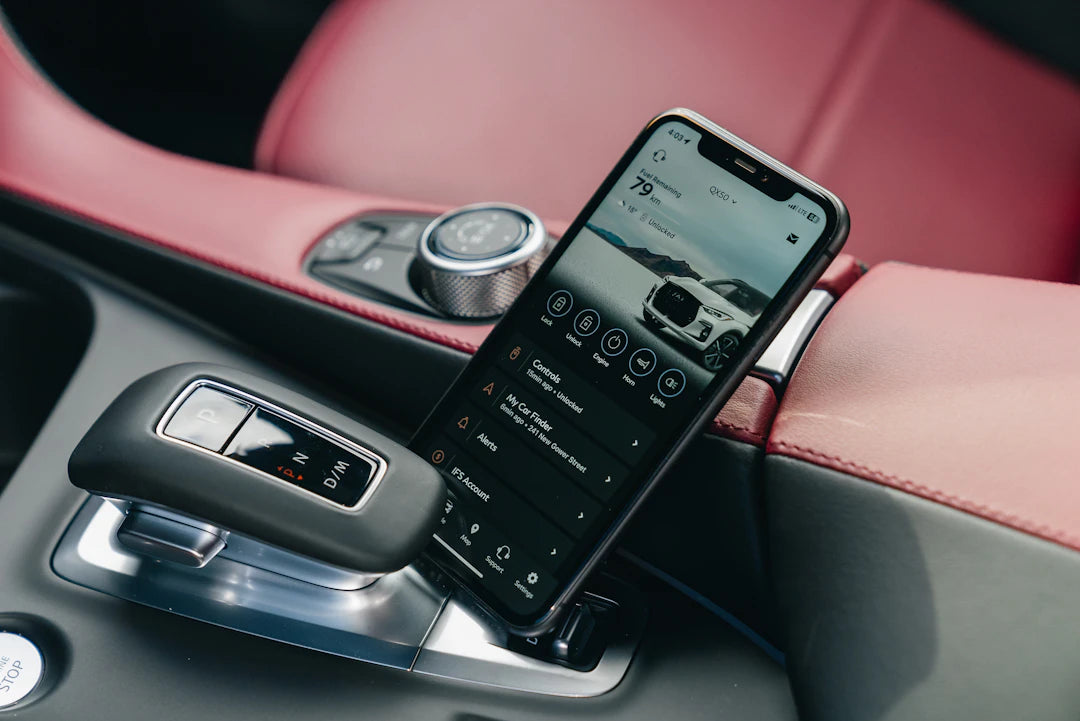
Remote Vehicle Management
As vehicles become increasingly connected, the ability to manage them remotely has grown in popularity. Car owners can now:
- Start their vehicles remotely: This feature is especially useful in cold climates where warming up the car becomes a necessity.
- Locate their vehicles: Lost car? No problem. GPS tracking features enable owners to find their vehicles with ease.
- Monitor vehicle health: Many modern vehicles can send diagnostic information directly to the owner's smartphone or device, alerting them of any maintenance issues before they arise.
The Environmental Impact of Vehicle Connectivity
As global awareness surrounding climate change and sustainability increases, vehicle connectivity has a role to play in promoting greener options. Connected cars can optimize fuel consumption through real-time data analysis:
Efficient Routing
Connectivity allows umbilical connections between vehicles and traffic management systems, offering optimization of routes based on real-time congestion data. Drivers can avoid traffic hotspots, which helps save fuel and reduce emissions.
Promoting Electric Vehicles
Connected vehicles often come equipped with features tailored for electric vehicles (EVs), such as:
- Charging Station Locators: These features help drivers find the nearest charging stations, reducing range anxiety.
- Charging Management: Owners can remotely schedule charging times for their electric vehicles, allowing them to take advantage of lower electricity rates.
This integration supports a greener approach to driving and is a stepping stone toward a sustainable future in transportation.
The Future of Vehicle Connectivity
As technology advances, so does the potential for connectivity within vehicles. The shift towards autonomous driving is perhaps the most exciting development on the horizon. With connected vehicles sharing information, the potential for safer and more efficient roads is within reach.
Vehicle-to-Everything (V2X) Communication
One of the most promising aspects of future connectivity lies in V2X communication, which allows vehicles to communicate with each other, as well as with infrastructure, such as traffic lights and road conditions. The benefits include:
- Improved Traffic Flow: By sharing information about traffic conditions and speeds, vehicles can adjust accordingly, leading to a smoother experience for all.
- Enhanced Safety: With real-time data exchange, vehicles can better anticipate hazards and respond proactively.
Integration of AI in Connectivity
The rise of artificial intelligence complements the connectivity revolution in the automotive industry. AI can help vehicles learn from driver behavior, adapting features to enhance driving experiences. Imagine a car that recognizes when you typically leave work and suggests the best route based on real-time traffic data.
Challenges and Considerations
Despite the numerous benefits of connectivity in modern vehicles, there are also challenges that manufacturers and consumers must address. Privacy and security concerns are among the most pressing issues:
Data Security
Connected vehicles generate a vast array of data, which poses a risk if it falls into the wrong hands. Cybersecurity measures must be robust to ensure the safety of the drivers and passengers, particularly as more data is transmitted through the cloud.
Privacy Concerns
With the rise of data collection comes the question of privacy. Consumers must feel confident that their information is used ethically and responsibly. Transparency from manufacturers about data usage and consent will become increasingly important.
Final Thoughts: Driving Into the Future
The role of connectivity in modern vehicles is undeniable, as it supports safety, enhances entertainment, encourages eco-friendly driving, and fosters new technological advancements. As we continue to navigate the realm of automotive innovation, it is clear that connectivity will remain a driving force behind the evolution of vehicle technology.
As consumers, embracing this change means understanding and appreciating how connectivity can elevate our driving experiences. We are on the brink of a new era in transportation—one where cars are not simply means to get from point A to point B, but dynamic, interactive, and intelligent systems that redefine our journey.