Overview
Consumer behavior is reshaping the automotive industry, driving trends in sustainability, digital retailing, personalization, safety, and technology integration. Key insights include the rise of electric vehicles, the shift towards online car buying, increased demand for customizable options, a focus on safety features, and the popularity of subscription models. Manufacturers and retailers must adapt to these changes to meet evolving consumer needs and preferences for a successful future in the automotive market.
Frequently Asked Questions
1. How is consumer behavior impacting the automotive industry?
2. What role does sustainability play in consumer purchasing decisions?
3. Why are electric vehicles (EVs) gaining popularity among consumers?
4. What trends are emerging in vehicle buying due to digital retailing?
5. How are automakers responding to the demand for personalization in vehicles?
In the fast-evolving world of automobiles, consumer behavior is the driving force behind innovation, design, and sustainable practices. With the industry rapidly shifting gears, understanding what consumers want and need can be incredibly beneficial for manufacturers, retailers, and customers alike. This blog post explores how consumer behavior is influencing the future of cars and what that means for every stakeholder involved.
Changing Attitudes Toward Sustainability
Climate change and environmental issues are at the forefront of many consumers' minds today. Increasingly, buyers are prioritizing sustainability in their purchasing decisions. According to several studies, environmentally conscious buyers are actively seeking vehicles that are either electric, hybrid, or utilize sustainable materials.
The Rise of Electric Vehicles (EVs)
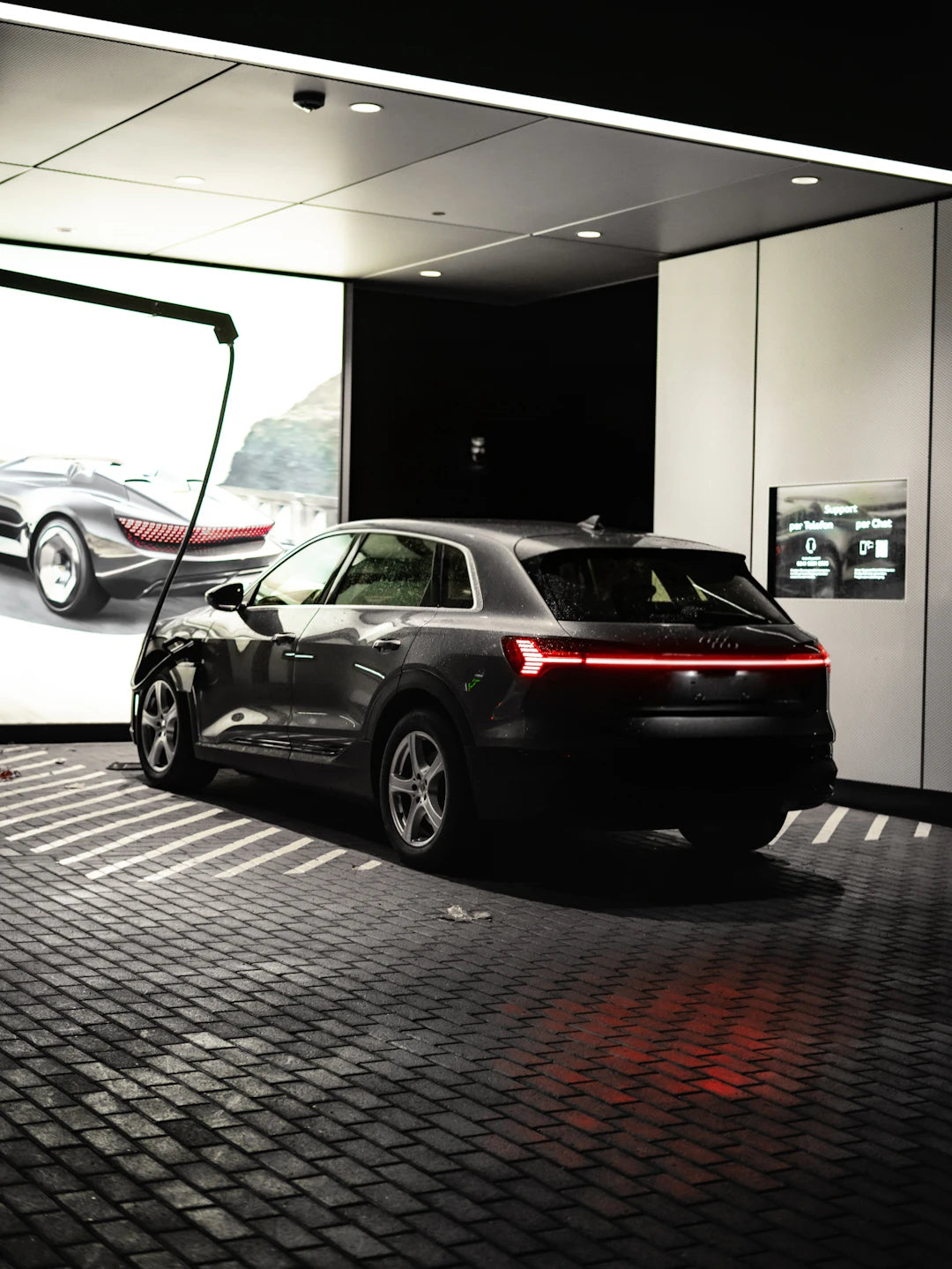
Electric vehicles have surged in popularity, driven by consumer demand for eco-friendly alternatives. As a result, leading car manufacturers are investing heavily in EV technologies. The release of new models demonstrates a direct response to consumer preferences.
- Longer Range: Modern consumers expect their electric vehicles to have a driving range that rivals traditional gasoline models.
- Affordable Pricing: Competitive pricing is crucial, as consumers are looking for cost-effective solutions to meet their sustainability goals.
- Innovative Features: Smart technology integration is essential, transforming the EV experience into one that appeals to tech-savvy buyers.
Digital Retailing: The New Normal
Modern consumers are moving away from traditional car dealerships. Online shopping is becoming the new norm for purchasing vehicles. This shift is influenced by behavior changes brought about by conveniences of e-commerce. Retailers must adapt to this trend to capture and retain customers.
The Convenience Factor
As more people turn to online platforms for their shopping needs, the car-buying process must evolve. Here are some key elements driving the shift to digital:
- Research: Consumers want comprehensive information at their fingertips, allowing them to compare options effectively.
- Virtual Showrooms: Immersive experiences, such as 360-degree views of vehicles, help customers feel confident in their choices.
- Home Delivery Services: Many consumers now prefer the option of having their vehicles delivered directly to their homes.
The Demand for Personalization
Customization has become a significant factor in consumer preferences. Today's buyers are seeking vehicles that reflect their unique personalities and lifestyles. As a result, automakers are redesigning their offerings to include more customizable options. This trend encompasses various elements:
Interior and Exterior Customization
- Color Choices: A broader palette allows consumers to express individuality through their vehicle's appearance.
- Technology Add-Ons: Features like advanced infotainment systems and smart device compatibility appeal to tech-forward buyers.
- Eco-Friendly Materials: Many consumers are now opting for vehicles made with recycled and sustainable materials.
Safety as a Priority
Today's consumers are more informed about road safety than ever before. The emphasis on safety features has led to advancements in technology that protect both drivers and passengers. Companies that prioritize safety in their designs are likely to see a positive response from consumers.
Technological Advancements in Safety
In response to consumer demand for enhanced safety, manufacturers are incorporating various technological innovations:
- Advanced Driver Assistance Systems (ADAS): Features such as lane departure warnings and adaptive cruise control are in-demand, contributing to safer driving experiences.
- Collision Avoidance Systems: Technologies designed to help prevent accidents are increasingly viewed as essential by consumers.
- Enhanced Visibility: Innovations like night vision and improved lighting systems are becoming standard features.
Technological Integration and Connectivity
Todays' consumers are digitally savvy and expect their vehicles to feature the latest technologies. The integration of advanced communication, entertainment, and navigation systems is essential for appealing to modern buyers.
The Push for Smart Cars
As automobiles transition into the era of “smart cars,” manufacturers are tapping into consumer demand for connected experiences:
- Smartphone Integration: Seamless connectivity with smartphones allows consumers to access apps, music, and navigation easily.
- Remote Features: Consumers are looking for features that allow them to control aspects of their vehicles remotely, enhancing convenience.
- Real-Time Updates: Technologies that provide real-time information about traffic conditions and other relevant factors are gaining traction.
Consumer Experience: A Major Differentiator
The buying experience has evolved significantly, with customers seeking a seamless journey from research to purchase. Retailers must focus on enhancing the overall consumer experience to stand out in a competitive market.
Personalized Customer Service
Investing in customer service excellence can lead to increased customer loyalty and satisfaction. Here are ways to enhance the consumer experience:
- Responsive Communication: Timely responses to inquiries create a positive impression.
- Knowledgeable Staff: Empowering sales staff with in-depth product knowledge ensures they can provide meaningful assistance.
- Follow-Up Services: Ongoing communication after the purchase fosters loyalty and trust.
The Shift towards Subscription Models
With a shift in consumer preferences toward flexibility and access over ownership, subscription-based car services are also gaining traction. This trend influences consumer behavior in profound ways.
The Convenience of Mobility
As consumers prioritize convenience, the subscription model offers greater flexibility compared to traditional ownership. Here's why the shift is occurring:
- Flexibility: Consumers can change vehicles based on their needs, whether it's for a family trip or a city commute.
- No Long-Term Commitment: Many buyers appreciate the lack of long-term obligations that come with traditional car ownership.
- Comprehensive Services: Subscription services often include maintenance, insurance, and related services all bundled together.
Future Trends Shaped by Consumer Preferences
The trends discussed here reflect a dynamic automotive landscape influenced by changing consumer behavior. As automakers and retailers acknowledge these shifts, various factors will shape the future of the automotive industry:
The Evolution of Autonomous Driving
Consumer attitudes towards self-driving technology are mixed, with many excited about the potential for increased safety and convenience. As the technology develops, consumers are likely to drive its acceptance through demand for safer vehicles—redefining car ownership altogether.
Increasing Focus on Data Analytics
Manufacturers are increasingly leveraging data analytics to understand consumer preferences better. This data-driven approach allows companies to anticipate trends and offer personalized experiences tailored to individual needs.
What's Next on the Road Ahead?
In the changing landscape of consumer preferences, it is clear that the automobile industry is at a critical juncture. By leveraging insights into consumer behavior, retailers and manufacturers can adapt their strategies effectively. The future of cars hinges not just on technology or sustainability, but on understanding and meeting the evolving desires and needs of consumers.
As we move forward, businesses that listen to their customers and create value-based offerings will not only thrive but redefine what it means to drive into the future. Adaptability, innovation, and a consumer-focused mindset will be the keys to success in the automotive industry.