
Overview
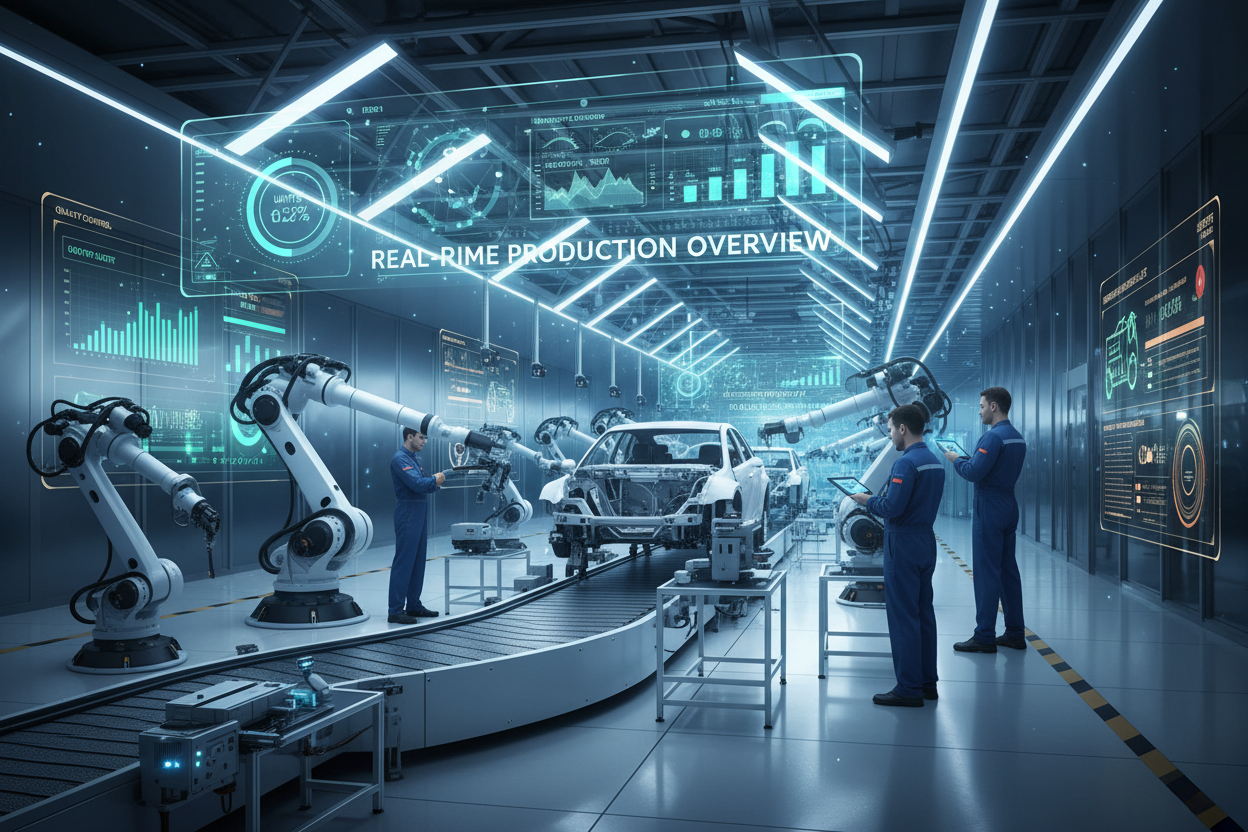
Data is central to modern car manufacturing, enhancing design, production, and consumer engagement through analytics, automation, and real-time tracking. This shift from intuition to data-driven decision-making improves efficiency, quality, and supply chain management, while also fostering better customer experiences. As the industry embraces advancements like AI and Industry 4.0, the future of automotive manufacturing looks increasingly data-centric and innovative.
Frequently Asked Questions
1. What role does data play in car manufacturing?
2. How has automotive manufacturing changed with data utilization?
3. What are the benefits of data-driven manufacturing?
4. How does data influence the design phase of vehicle manufacturing?
5. What is the future of data in car manufacturing?
In the world of car manufacturing, data has become the backbone of innovation, efficiency, and sustainability. From design to production and supply chain management, data shapes every aspect of the automotive industry. Understanding how data fuels modern car manufacturing can provide insights into trends that drive change and innovation. Here, we’re delving into the pivotal roles that data plays in the design, production, and consumer engagement processes of car manufacturing.
The Shift towards Data Utilization in Automotive Manufacturing
Traditionally, automotive manufacturing relied heavily on human experience and intuition. However, with the advent of advanced technologies like the Internet of Things (IoT), big data analytics, and machine learning, the automotive industry has undergone a significant transformation. Today, manufacturers incorporate data analytics at every stage of production, resulting in improved efficiencies and innovations.
Understanding Big Data in Automotive
Big data refers to the vast amount of structured and unstructured data generated by various processes in car manufacturing. This data can be anything from production metrics to consumer feedback or vehicle performance statistics. Automotive companies gather this information to make informed decisions that optimize their processes.
The Benefits of Data-Driven Manufacturing
- Enhanced Efficiency: Data helps manufacturers streamline processes, minimizing waste and time in the production cycle.
- Informed Decision-Making: With data analytics, manufacturers can forecast trends and make strategic decisions based on solid evidence rather than guesswork.
- Improved Quality Control: Data allows for real-time monitoring and quality assurance, ensuring that products meet the highest standards.
- Supply Chain Optimization: Data helps in predicting demand, leading to optimized inventory management and reduced overhead costs.
Data in the Design Phase
During the design phase of vehicle manufacturing, data plays a crucial role in creating innovative and efficient designs that meet consumer demands. Through data analytics, manufacturers can gather insights into consumer preferences, market trends, and competitor products.
Consumer Insight and Preferences
Understanding what consumers want is critical for any successful car manufacturer. By analyzing data from market research, online surveys, and consumer reviews, manufacturers can identify key features and innovations that are likely to please potential buyers. This data-driven approach helps companies design vehicles that resonate with their target audience.
Rapid Prototyping and Testing
Modern car manufacturers utilize data to facilitate a faster and more efficient prototyping process. Using computer-aided design (CAD) software along with simulation data, engineers can test different design iterations almost instantaneously. This data informs necessary modifications, reducing the time and cost associated with traditional prototyping methods.
Optimizing Manufacturing Processes with Data
Once the design has been finalized, the next step is to move into the manufacturing phase. Data continues to play a critical role in optimizing various aspects of manufacturing:
Automation and IoT
The integration of automation and IoT technologies in car manufacturing has transformed traditional plants. Sensors embedded in machinery collect data that informs manufacturers about equipment performance, maintenance needs, and production rates. This enables predictive maintenance, ensuring that machines operate efficiently, thus avoiding costly downtime.
Lean Manufacturing Approach
Data analytics support the Lean Manufacturing methodology, which focuses on maximizing value while minimizing waste. By analyzing production data, manufacturers can identify bottlenecks in the production line and discover areas for improvement. This enhances overall productivity and reduces costs.
Supply Chain Management and Data
Managing the supply chain in car manufacturing can be a complex endeavor due to the numerous components involved. Data plays a fundamental role in every aspect of supply chain management:
Supplier Evaluation
Data allows manufacturers to evaluate supplier performance metrics comprehensively. Important factors include lead times, quality ratings, and cost analysis. By processing this data, manufacturers can select reliable suppliers, ensuring a steady flow of quality components.
Real-Time Tracking
Real-time data tracking of shipments allows manufacturers to monitor inventory levels, anticipate delays, and reduce the chances of overstocking or stockouts. This level of insight is invaluable for maintaining an efficient assembly line and meeting production schedules.
Consumer Engagement Through Data
Data's role doesn't end once a vehicle leaves the production line. It continues to influence consumer engagement throughout the vehicle ownership lifecycle.
Post-Purchase Data Collection
Once a vehicle is sold, manufacturers collect data from various sources such as onboard telemetry systems, customer feedback, and warranty claims. This post-purchase data is invaluable for understanding vehicle performance in real-world conditions.
Enhancing Customer Experience
By analyzing post-purchase data, manufacturers can refine customer service strategies, offering tailored recommendations for maintenance and upgrades. Moreover, understanding common pain points enables companies to improve future vehicle designs and aftermarket services, resulting in enhanced consumer loyalty.
The Future of Data in Car Manufacturing
As the automotive industry continues evolving, the role of data will only grow more vital. With advancements in artificial intelligence and machine learning, manufacturers will harness even more insights from the data they collect.
Predictive Analytics
Leveraging predictive analytics will help manufacturers anticipate future market demands, enabling them to innovate in design and production methods proactively. This capability will further enhance responsiveness to consumer trends, leading to a more agile production environment.
Embracing Industry 4.0
The fourth industrial revolution, or Industry 4.0, focuses on the intelligent connectivity of data across various platforms. Car manufacturers adopting Industry 4.0 principles will create smarter factories, utilizing data in real-time to make decisions that improve productivity, quality, and customer satisfaction.
A Bright Future Awaits
Data is undeniably at the heart of modern car manufacturing, influencing everything from design and production to consumer engagement and supply chain management. As manufacturers increasingly harness the power of data, innovation, quality, and efficiency in vehicle production will continue to rise. Those who adapt to and embrace this data-driven approach will undoubtedly thrive in an ever-evolving automotive landscape, paving the way for a brighter and more efficient future in car manufacturing.