
Overview
The automotive industry is transitioning towards sustainability by focusing on electrification of vehicle fleets, implementing eco-friendly manufacturing practices, fostering strategic partnerships for research, engaging consumers in green initiatives, and adapting to stricter government regulations. This shift aims to combat climate change and create a sustainable future for transportation.
Frequently Asked Questions
1. What is driving the shift towards sustainability in the automotive industry?
2. How are automotive manufacturers investing in electric vehicles?
3. What sustainable practices are being adopted in vehicle manufacturing?
4. How are automotive brands engaging consumers in sustainability?
5. What role do government policies play in promoting sustainability in the automotive sector?
The automotive industry has long been associated with emissions and environmental impact. However, recent years have seen a monumental shift as industry leaders prioritize climate action. From manufacturing to sales, the efforts to zero in on sustainability are making waves. In this article, we will delve deep into how automotive brands are combating climate change, exploring innovative technologies, strategic partnerships, and consumer engagement initiatives. Join us as we uncover the transformative changes fostering a greener automotive future.
The Shift Toward Sustainability in Automotive
As awareness of climate change escalates, the automotive industry has recognized the need for urgent action. Traditional manufacturing methods are being reassessed, leading to a more eco-conscious approach. This shift is driven not only by regulatory pressures but also by consumer expectations for sustainable products. Let's explore the main pillars of this transition.
1. Electrification of Vehicle Fleets
One of the most significant changes in the automotive sector is the move toward electrification. Leading manufacturers are investing heavily in electric vehicles (EVs) as they look to reduce their carbon footprint.
- Investment in R&D: Major players are allocating substantial funds toward the research and development of EV technology. This includes enhancing battery efficiency, increasing range, and reducing charging times.
- Expansion of EV Offerings: Companies are diversifying their electric models. From compact cars to SUVs, the aim is to cater to a wide range of consumers while reducing dependency on fossil fuels.
- Infrastructure Development: Partnerships with charging infrastructure providers ensure that consumers have access to convenient charging options, encouraging more people to switch to electric.
This focus on electrification not only helps in reducing greenhouse gas emissions but also pushes the industry towards a more innovative future.
2. Sustainable Manufacturing Practices
Manufacturing vehicles traditionally involves extensive resource use and waste generation. In contrast, industry leaders are now prioritizing sustainability in production processes.
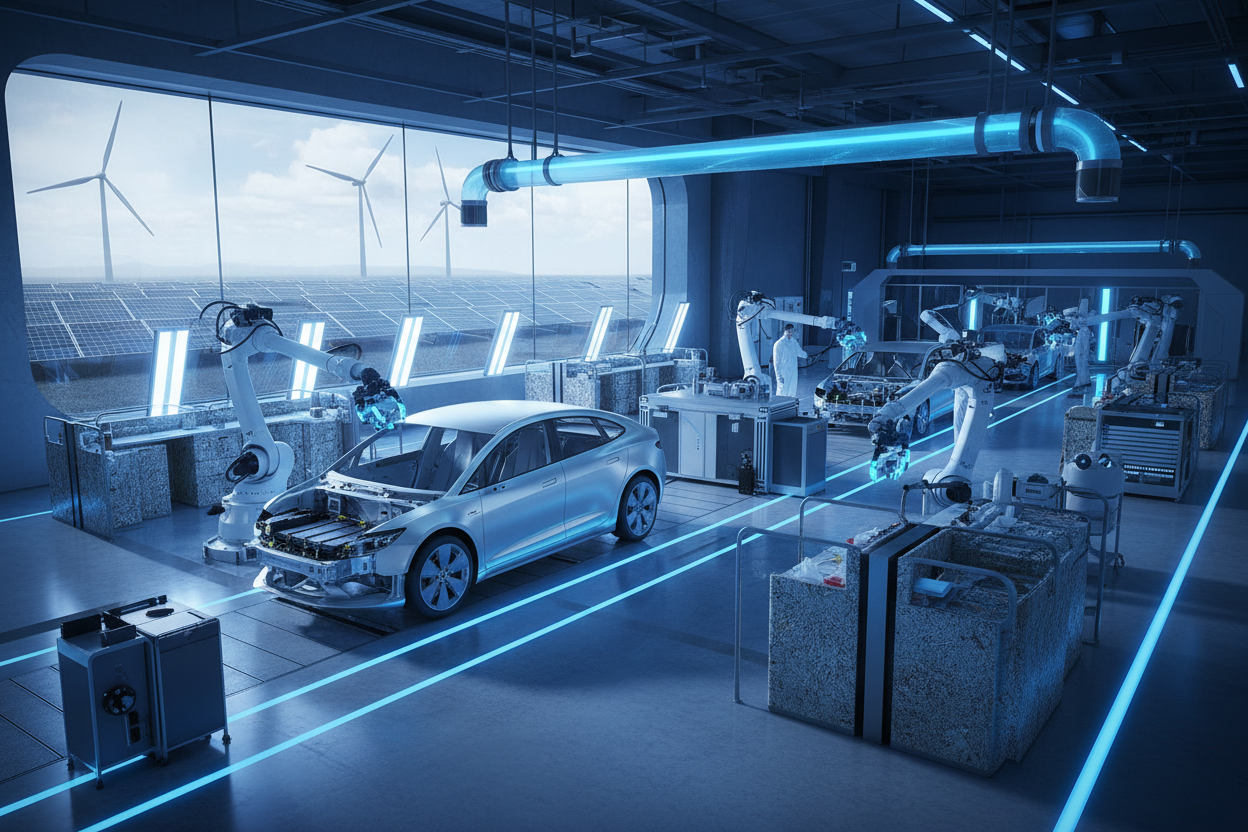
- Use of Renewable Energy: Significant emphasis is placed on employing renewable energy sources, like solar and wind, in manufacturing plants. This dramatically cuts down on emissions.
- Reducing Waste: Many automotive companies have started implementing circular economy principles, ensuring that manufacturing waste is minimized and materials are reused wherever possible.
- Eco-Friendly Materials: Utilization of recycled materials and renewable resources is becoming commonplace in vehicle design, from the production of components to interior finishes.
This commitment to green manufacturing not only benefits the environment but also enhances the social perception of automotive brands.
Collaborative Initiatives and Industry Partnerships
Another crucial aspect of addressing climate change is collaboration—both within the automotive sector and with external organizations. Proactive community efforts, shared technologies, and engaging in regulatory dialogues are vital for fostering sustainable evolution.
3. Strategic Partnerships for Research
Automotive leaders are forming alliances with tech companies and research institutions to transition towards emissions-free vehicles. These partnerships are paving the way for innovations in:
- Battery Technology: Joint ventures are leading to breakthroughs in battery life, efficiency, and recyclability, essential for the future of electric mobility.
- Autonomous Vehicles: Collaborations with tech firms are not solely for passenger cars but also for commercial vehicles, allowing for the development of efficient traffic systems and smart logistics.
- Shared Services: Initiatives encouraging ride-sharing and car-sharing platforms help in reducing the number of vehicles on the road, thus decreasing overall emissions.
Through these cooperative efforts, the automotive industry is setting new standards that encourage other sectors to follow suit.
4. Consumer Engagement and Education
Engaging consumers is essential for driving the adoption of sustainable practices. Automotive leaders are taking steps to educate their customers about climate issues and the benefits of green vehicles.
- Marketing for Sustainability: Instead of focusing solely on luxury features, brands are emphasizing environmental responsibility in their marketing campaigns, illustrating how purchasing an electric vehicle contributes to a healthier planet.
- Incentives for Green Choices: Offering rebates, tax incentives, or trade-in programs for electric vehicles encourages consumers to make sustainable decisions when purchasing new cars.
- Community Workshops: Some companies are organizing local events where consumers can learn more about the impact of their vehicle choices on the environment, further engaging them in sustainability narratives.
These consumer-centric approaches are crucial for the automotive industry's long-term success in climate change mitigation.
Government Policies and Incentives
Legislation plays a significant role in steering the automotive industry towards a more sustainable path. Automotive leaders closely monitor and engage with policy changes that focus on environmental standards.
5. Stricter Emission Standards
Governments worldwide are establishing stricter regulations aimed at reducing fleet emissions. As a response:
- Adapting to Compliance: Automotive manufacturers are adapting their strategies and technology to meet these stringent requirements, thereby reducing pollution and promoting cleaner air.
- Investment in Renewable Technologies: With waiting periods narrowing for electric vehicle incentives, automakers are investing heavily in this shift, anticipating shifts in regulation.
- Collaborating with Governments: Engaging in discussions with regulatory bodies enables industry players to advocate for fair policies that promote both sustainability and economic growth.
By advocating for sensible policies, automotive leaders are positioned to be both change-makers and benefactors of a more sustainable future.
6. Global Climate Initiatives
Leaders in the automotive industry are not only focused on local markets but also participating in global climate initiatives. This global perspective encourages innovation while being environmentally responsible.
- Commitment to Net-Zero Goals: Many automotive companies are outlining clear targets to achieve net-zero emissions by a specific year, showcasing their commitment to sustainability.
- Participation in International Forums: Engaging in global discussions and events allows automotive leaders to share best practices, learn from each other, and strengthen collaborative frameworks.
- Collaborative Global Research: Partnering with international organizations supports research on climate impact and vehicle technologies, promoting an integrated approach to sustainability.
This global outreach plays a vital role in driving urgent climate action and inspiring other sectors to follow automotive leaders' examples.
Looking Forward: The Road Ahead
The march toward sustainability in the automotive industry is only just beginning. While significant strides have already been made, the future will likely present fresh challenges and opportunities. Here’s what we can expect:
7. Trends to Watch
- Advancements in Battery Technology: As demand for electric vehicles rises, continuous advancements in battery technology will remain paramount. Innovations are expected to further enhance performance and sustainability.
- Hydrogen Fuel Cell Vehicles: Hydrogen technology is gaining traction as a viable alternative for large vehicles and longer ranges, providing an additional green option for, particularly heavy-duty, transportation.
- Smart Cities and Transportation: Integration with smart city initiatives means that automotive leaders will be exploring ways to align with broader urban planning to reduce congestion and carbon emissions.
As the automotive industry continues to evolve, it is vital to maintain a focus on sustainability, creating a lasting impact on climate change that transcends traditional boundaries.
The Journey Towards a Greener Future
The commitment shown by automotive industry leaders to address climate change is transforming the landscape of the industry. With electrification, sustainable manufacturing practices, strategic partnerships, consumer engagement, and collaboration with lawmakers, we are moving toward a brighter, more sustainable future of transportation. The ongoing journey is not without its challenges, but as innovation persists and commitment deepens, the automotive industry will undoubtedly continue to pave the way for a greener planet.