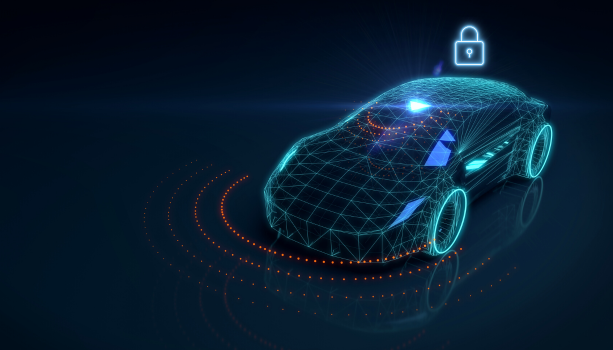
In an era where technology reigns supreme, the automotive industry is experiencing a seismic shift towards digitalization. With the rise of connected vehicles, electric cars, and autonomous driving technologies, vehicle cybersecurity has emerged as both a critical challenge and a promising opportunity. This blog post delves into the intricacies of vehicle cybersecurity, highlighting the hurdles manufacturers face while also examining the potential for innovation and growth within the sector. As we drive further down this digital road, understanding vehicle cybersecurity becomes paramount.
The State of Vehicle Cybersecurity Today
The automotive industry is evolving rapidly. Modern vehicles are equipped with an array of sensors, software, and connectivity features that enhance performance, convenience, and safety. However, this increasing reliance on technology also exposes vehicles to cyber threats. Cybersecurity in this context refers to the measures taken to protect vehicles from unauthorized access and attacks that could compromise safety, privacy, and functionality.
The Growing Concerns
As smart vehicles become more prevalent, the risk of cyber threats inevitably rises. Here are some significant concerns:
- Increased Attack Surface: Modern vehicles are equipped with multiple entry points for hackers, including GPS systems, infotainment systems, and V2X (vehicle-to-everything) communication technology.
- Data Privacy: Vehicles generate a plethora of data on user behavior, location, and even driving habits. Ensuring the privacy of this sensitive data from malicious actors is of utmost importance.
- Safety Risks: Cyber attacks can have severe implications on vehicle safety, potentially leading to compromised systems that could cause accidents or failures.
Challenges Faced in Vehicle Cybersecurity
While the need for robust vehicle cybersecurity systems has never been clearer, several challenges continue to loom over the industry.
1. Evolving Threat Landscape
Hackers are constantly developing new tactics and strategies to exploit vulnerabilities in vehicle systems. The rapid evolution of technology makes it difficult for manufacturers to keep pace with emerging threats.
2. Lack of Standardization
There is currently a lack of universal standards for vehicle cybersecurity. This inconsistency leads to fragmented defenses across manufacturers, making it easier for perpetrators to target weak links.
3. Complexity of Vehicle Systems
Modern vehicles are essentially mobile computers, featuring complex networks of software and hardware components. This complexity increases the susceptibility to bugs and weaknesses that can be exploited by cybercriminals.
4. Cost Implications
Implementing strong cybersecurity measures can be costly. Manufacturers, especially smaller companies, might find it challenging to allocate budgets for extensive cybersecurity research and development.
5. Regulatory Compliance
As the importance of cybersecurity in vehicles becomes more recognized, governments are beginning to implement regulations to ensure compliance. However, adapting to these regulatory frameworks can add an additional layer of challenge for manufacturers.
Opportunities Through Cybersecurity
Amidst these challenges, the focus on cybersecurity presents numerous opportunities for innovation and growth.
1. Enhanced Consumer Trust
By prioritizing cybersecurity, manufacturers can enhance consumer trust in their products. Consumers are becoming increasingly aware of the implications of cybersecurity, and companies that take proactive measures can distinguish themselves from competitors.
2. New Revenue Streams
Cybersecurity services offer new avenues for revenue generation. Manufacturers can create separate business units focused on providing cybersecurity services, such as regular software updates, monitoring, and incident response.
3. Collaboration and Partnerships
The challenges of cybersecurity are driving collaboration between automotive manufacturers and tech companies, leading to innovative solutions that can benefit the entire industry. Partnerships can enhance knowledge sharing, which is crucial to staying ahead of threats.
4. Research and Development Investments
Investing in cybersecurity research and development can yield technological advancements that improve vehicle performance, safety, and user experience. Companies that prioritize R&D in cybersecurity are more likely to find breakthroughs that can be adopted across the industry.
5. Workforce Development
The growing focus on cybersecurity has created a demand for skilled professionals in the field. This represents an opportunity for educational institutions to craft programs that prepare the workforce for future challenges in the automotive industry.
Best Practices for Vehicle Cybersecurity
For manufacturers looking to fortify their vehicle cybersecurity posture, here are some best practices to consider:
- Implement Regular Software Updates: System updates should be regularly performed to patch vulnerabilities and enhance software resilience.
- Conduct Comprehensive Risk Assessments: Understanding the potential risks associated with vehicle systems is crucial for developing effective cybersecurity strategies.
- Adopt a Layered Security Approach: Employ multiple layers of security (firewalls, intrusion detection systems, encryption) to create robust protection against cyber threats.
- Improve Collaboration: Engage with other sectors, including tech leaders and cybersecurity specialists, to share insights and strategies.
- Invest in Employee Training: Ensure that employees are trained and aware of cybersecurity protocols to create a culture of security within the organization.
Looking Ahead: The Future of Vehicle Cybersecurity
The road ahead for vehicle cybersecurity is both challenging and filled with potential. As automotive technology continues to evolve, so will the strategies to combat cyber threats. By leveraging cutting-edge technologies such as artificial intelligence (AI) and machine learning, manufacturers can dramatically improve their ability to detect and respond to threats in real-time.
The Role of Artificial Intelligence
AI has the potential to revolutionize the landscape of vehicle cybersecurity. By implementing machine learning algorithms, vehicles can autonomously monitor their systems and detect anomalies indicative of cyber threats. This capability can significantly reduce the window of vulnerability and improve response times to critical situations.
The Importance of User Education
As the digital landscape evolves, educating consumers on safe practices when using connected vehicles will be essential. Manufacturers should invest in consumer outreach and education initiatives to empower users to recognize and report suspicious activities.
Final Thoughts: Steering Towards a Secure Automotive Future
While the challenges in vehicle cybersecurity are not to be underestimated, the opportunities for growth, innovation, and collaboration are equally significant. As the automotive industry continues to embrace digital transformation, prioritizing cybersecurity will play a crucial role in building trust with consumers and ensuring the long-term sustainability of the sector. By understanding and navigating the complexities of vehicle cybersecurity, manufacturers can turn challenges into stepping stones towards a secure and advanced automotive future.
