
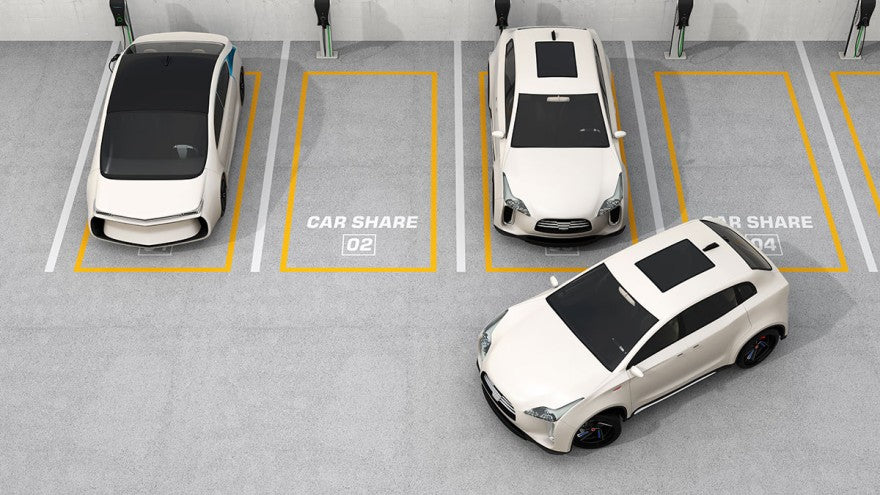
The automotive landscape is evolving at an unprecedented pace, with technology reshaping the way we think about transportation. One of the most impactful changes is the rise of car sharing services. These services are not just a trend but a sustainable revolution in the automotive industry. In this blog, we’ll delve deep into what car sharing services are, how they work, their benefits, and the upcoming innovations that will define their future.
Understanding Car Sharing Services
Car sharing services allow individuals to rent cars on a short-term basis, providing a cost-effective and eco-friendly alternative to traditional car ownership. Consumers can access vehicles through mobile apps or websites, making it convenient to grab a car when needed without the responsibilities of ownership. Here are some key features of car sharing services:
- Flexibility: Users can choose from a variety of vehicles, ranging from compact cars to SUVs, depending on their needs.
- Variety of Pricing Models: Some services charge by the hour, while others offer daily rates, catering to different user preferences.
- Ease of Access: Most car sharing platforms can be accessed through mobile applications, providing users with real-time availability and booking options.
The Benefits of Car Sharing Services
As urbanization increases and environmental concerns become paramount, the benefits of car sharing services present a compelling case for a sustainable future. Here are some of the primary advantages:
1. Environmental Impact
One of the biggest advantages of car sharing is its potential to reduce carbon footprints. With fewer cars on the road, emissions associated with individual vehicle ownership can be significantly lowered. Additionally, car sharing encourages the use of fuel-efficient and electric vehicles.
2. Cost-Effective
Owning a car comes with various expenses, including insurance, maintenance, and parking costs. Car sharing eliminates these costs, allowing users to only pay for what they use. This economic model appeals to younger generations who may struggle with the financial burdens of ownership.
3. Reduced Traffic Congestion
Studies show that car sharing services can reduce the number of vehicles on the roads. With shared vehicles, fewer people feel the need to own a car, leading to less congestion and shorter travel times for everyone.
Current Trends in Car Sharing Services
The car-sharing market is continuously evolving, with several trends shaping its trajectory. Understanding these trends can provide insights into the future of this industry.
1. Integration of Technology
Technology is at the heart of car-sharing services. From advanced mobile applications to GPS tracking, technology enhances user experience and streamlines operations. Features like keyless entry, real-time vehicle tracking, and automated billing contribute to a seamless experience.
2. Shift Towards Electric Vehicles (EVs)
As environmental awareness grows, many car-sharing services are incorporating electric vehicles into their fleets. Not only do EVs reduce emissions, but they also attract eco-conscious users. Electric vehicles are becoming more mainstream, and the rise of car-sharing services can help encourage their adoption.
3. Expansion of Services
Car sharing is diversifying. Beyond standard car sharing, there are innovative variations like peer-to-peer car sharing, where individuals can lend their personal vehicles. Additionally, ride-sharing companies are starting to incorporate car-sharing features into their models, creating hybrid services that cater to varying customer needs.
Challenges Facing Car Sharing Services
Despite their benefits and growing popularity, car-sharing services face certain challenges that need to be addressed for sustainable growth.
1. Regulatory Hurdles
Different cities and countries have diverse regulations regarding car-sharing services, which can create complications for operators. Understanding and complying with these regulations is crucial for success. Policymakers need to recognize the benefits of car sharing to facilitate growth.
2. Maintenance and Upkeep
For car-sharing services to remain appealing, vehicles must be well-maintained. This requires a solid management system and preventive maintenance schedules. Ensuring vehicle quality and cleanliness is vital for user satisfaction and retention.
3. Market Competition
As the market for car-sharing services grows, competition is becoming increasingly fierce. New players entering the market can dilute existing customer bases. To thrive, established brands must innovate and adapt to remain competitive in their offerings.
Envisioning the Future of Car Sharing
As we look to the future, several exciting developments are on the horizon for car-sharing services. Here are some predictions that could shape the industry in the coming years:
1. Autonomous Vehicles
Imagine a future where self-driving cars dominate the roads. This innovation could revolutionize car sharing by removing the need for a driver. Autonomous vehicles can allow users to enjoy a relaxed ride without worrying about navigating traffic or parking.
2. Enhanced Mobile Experiences
As technology continues to advance, mobile applications will play an even larger role in car-sharing services. Expect intuitive interfaces, personalized recommendations, and improved booking systems to enhance the overall user experience.
3. Urban Integration
Cities are increasingly developing infrastructure to support car-sharing services, from designated parking spots to charging stations for electric vehicles. This urban integration will create a more conducive environment for car sharing, making it an integral part of urban mobility strategies.
Get On Board the Car Sharing Movement!
The future of car sharing services promises convenience, sustainability, and efficiency like never before. As users increasingly prioritize eco-friendliness and cost-effectiveness, car sharing can provide a solution that aligns with their values. Innovations in technology and the expansion of services are paving the way for a transportation landscape that prioritizes shared mobility.
Whether you're an urban dweller seeking convenient transport options or a business looking to offer better solutions to your employees, car-sharing services represent a significant shift in how we view and use vehicles. With a promising trajectory, car sharing is more than just an alternative to ownership—it's a step toward a more sustainable future. It’s time to embrace this shift and explore the possibilities that lie ahead!