
Frequently Asked Questions
1. What are electric vehicles?
2. What are the environmental benefits of electric vehicles?
3. How do electric vehicles impact air quality?
4. What are some economic advantages of electric vehicles?
5. What challenges do electric vehicles face?
The world is changing, and so are the ways we choose to move from one place to another. With increasing concerns about climate change and the environmental impact of traditional vehicles, electric vehicles (EVs) are taking center stage as a sustainable mobility solution. In this article, we'll explore the rise of electric vehicles, their benefits, challenges, and their pivotal role in shaping a more sustainable future.
The Shift Towards Electric Vehicles
In recent years, the automotive industry has witnessed a dramatic shift toward electric vehicles. This transition has been driven by various factors, including technological advancements, government incentives, and changing consumer preferences. As more individuals recognize the environmental and economic benefits of electric mobility, the adoption of EVs is on the rise.
The Evolution of Electric Vehicles
Electric vehicles are not a new concept. The first electric vehicle was developed in the 19th century, but it wasn't until the late 20th century and early 21st century that significant advancements made EVs a viable option for everyday consumers. Modern electric vehicles, equipped with advanced battery technology and efficient motors, offer ranges, performance, and features that rival traditional gasoline-powered cars.
The Role of Technology in the Electric Vehicle Boom
Innovations in battery technology have been crucial in the rise of electric vehicles. The development of lithium-ion batteries has led to increased energy density, longer driving ranges, and faster charging times. Additionally, the emergence of smart grid technology allows electric vehicles to integrate seamlessly with renewable energy sources, further enhancing their appeal as a sustainable option.
The Environmental Impact of Electric Vehicles
One of the most significant advantages of electric vehicles is their lower carbon footprint compared to traditional vehicles. EVs produce no tailpipe emissions, and when charged with renewable energy, their overall environmental impact is drastically reduced.
Lower Greenhouse Gas Emissions
The transportation sector is a major contributor to greenhouse gas emissions. By switching to electric vehicles, individuals can drastically reduce their carbon footprint. According to numerous studies, electric vehicles emit significantly fewer emissions over their lifetime than internal combustion engine vehicles, even when accounting for emissions from electricity generation.
Improving Air Quality
Electric vehicles also contribute to improved air quality in urban areas. By reducing the number of gas-powered vehicles on the road, cities can decrease air pollution, leading to health benefits for their residents. Cleaner air can result in fewer respiratory problems and a better quality of life.
Economic Advantages of Electric Vehicles
Beyond their environmental benefits, electric vehicles offer considerable economic advantages, making them increasingly appealing to consumers and businesses alike.
Lower Operating Costs
The operational costs of electric vehicles are usually lower than those of traditional vehicles. Electricity is often cheaper than gasoline or diesel fuel, and as EV charging infrastructure continues to expand, it facilitates more convenient options for drivers. Moreover, electric vehicles generally have fewer moving parts, which translates into reduced maintenance costs.
Government Incentives and Tax Breaks
Governments worldwide are encouraging the adoption of electric vehicles by providing tax incentives, rebates, and other financial benefits. These incentives lessen the upfront costs associated with purchasing an EV, making them a more accessible option for consumers. It’s worth checking local government websites for the latest programs and incentives available.
Challenges Facing Electric Vehicles
While the rise of electric vehicles is promising, several challenges still need to be addressed to facilitate widespread adoption.
Charging Infrastructure
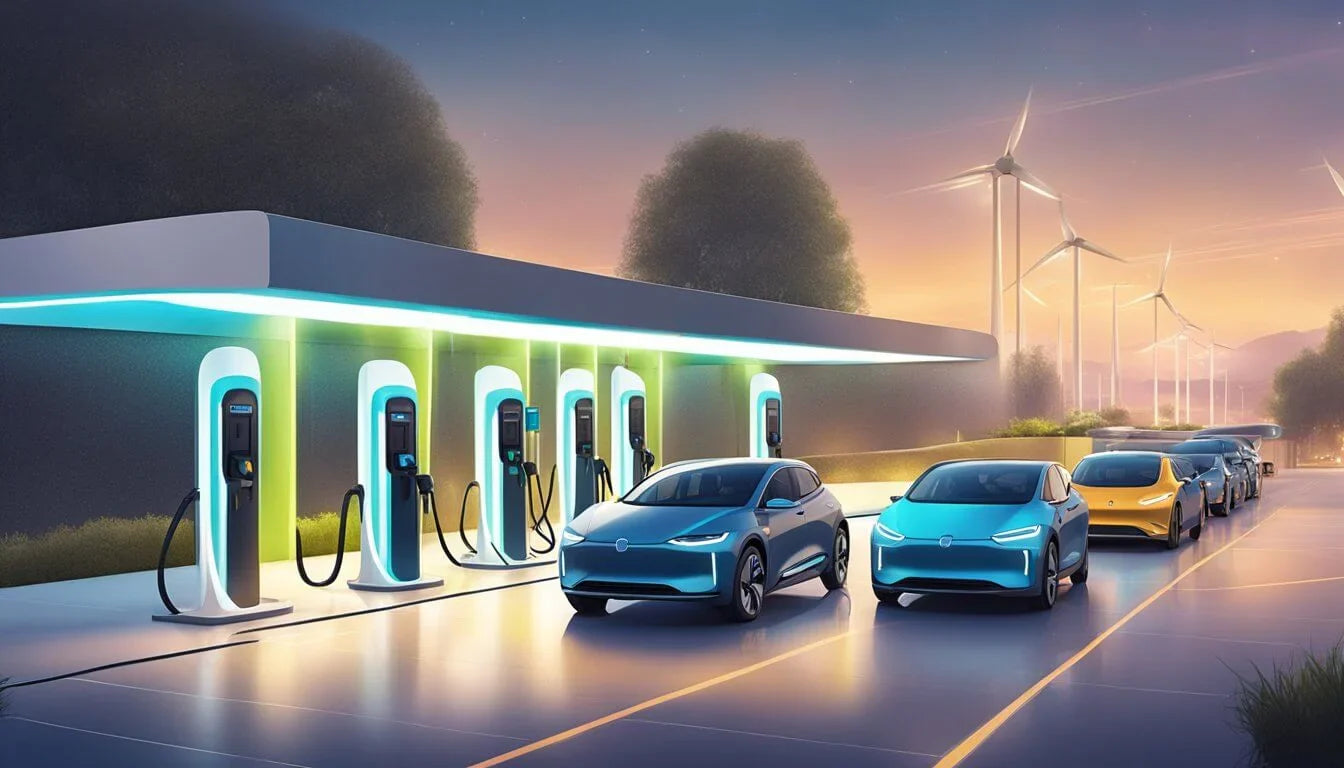
The availability of charging stations is a critical factor influencing the adoption of electric vehicles. While the number of public charging points is increasing, there are still gaps in infrastructure, particularly in rural areas. Efforts to enhance charging networks will be essential for those considering making the switch to electric mobility.
Battery Recycling and Sustainability
The production and disposal of EV batteries present sustainability challenges. As the market for electric vehicles grows, the demand for lithium, cobalt, and other materials used in batteries will also increase. Addressing battery recycling and sourcing ethical materials will be vital to ensuring the long-term sustainability of electric mobility.
The Future of Electric Vehicles
As technology advances and consumer preferences evolve, the future of electric vehicles looks increasingly bright.
Innovation in Battery Technology
Research and development in battery technology continue to flourish, with exciting advancements on the horizon. Solid-state batteries are emerging as a potential game-changer, offering greater energy density, increased safety, and faster charging capabilities. These innovations could significantly boost EV performance and reliability.
Integration with Smart Technology
Electric vehicles are becoming smarter every day. The integration of artificial intelligence (AI) and Internet of Things (IoT) technologies is enhancing the driving experience, improving safety, and optimizing energy management. Expect to see features such as predictive maintenance, autonomous driving capabilities, and smart charging schedules that will revolutionize the way we think about mobility.
Becoming Part of the Electric Vehicle Movement
As electric vehicles continue to rise in popularity, it's essential that individuals, businesses, and policymakers work together to support this movement. By advocating for policies that promote electric mobility and considering the transition to an electric vehicle themselves, consumers can contribute to creating a sustainable future.
Educating Others
Sharing knowledge about the benefits of electric vehicles can inspire friends, family, and communities to make the switch. Having informed discussions about sustainability and the impact of transportation choices can create a ripple effect, encouraging more people to consider electric mobility.
Support Local Initiatives
Many local communities are starting to develop initiatives focused on increasing the adoption of electric vehicles. Supporting local infrastructure development, such as charging stations, and participating in community programs can speed up the transition toward sustainable mobility.
Joining the Charge for Sustainability
The rise of electric vehicles marks an exciting time in our pursuit of sustainable mobility. With numerous benefits ranging from environmental and economic gains to cutting-edge technological advancements, it's clear that electric vehicles are paving the way for a greener, cleaner future. As consumers, communities, and businesses embrace this change, the dream of a sustainable transportation system can become a thriving reality—one vehicle at a time. Join the charge and be part of this revolutionary movement for a sustainable future!