
Overview
Electric vehicles (EVs) are crucial for reducing greenhouse gas emissions and improving urban air quality, but they face challenges such as battery production and disposal, charging infrastructure, and public perception. Government incentives are promoting EV adoption globally, while innovations in battery technology and smart grids offer solutions for a sustainable future. Collective action is needed to maximize the environmental benefits of EVs and achieve a greener planet.
Frequently Asked Questions
1. What are the environmental benefits of electric vehicles?
2. How do electric vehicles impact air quality?
3. What challenges do electric vehicles face in their adoption?
4. How do government policies influence electric vehicle adoption?
5. What innovations are being developed to improve electric vehicles?
Electric vehicles (EVs) have become a significant topic of conversation in recent years, especially in discussions revolving around climate change and sustainable living. With the automotive industry shifting gears towards more eco-friendly solutions, it's essential to understand the impact of electric vehicles on the environment. This in-depth exploration will shed light on how EVs contribute to reducing our carbon footprint and the challenges that remain in this green transition.
The Rise of Electric Vehicles
The automotive industry is experiencing a seismic shift as more manufacturers pivot towards electric vehicles. From luxury brands to everyday cars, EVs are rapidly becoming a staple on our roads. This increase in popularity is a direct response to growing environmental concerns, stricter emissions regulations, and advancements in battery technology. But what does this shift mean for our environment? Let's delve into the key factors that illustrate the impact of electric vehicles on our planet.
Reduced Greenhouse Gas Emissions
One of the most significant benefits of electric vehicles is their potential to reduce greenhouse gas emissions. Traditional gasoline-powered cars emit carbon dioxide (CO2) as a byproduct of burning fossil fuels. In contrast, EVs produce zero tailpipe emissions, which means that while they are being driven, they have a negligible direct impact on air quality.
Life Cycle Emissions
While it's true that electric vehicles have lower emissions during operation, it's essential to consider the entire lifecycle of the vehicle. This includes:
- Manufacturing: The production of electric vehicles, particularly the batteries, can generate a higher amount of greenhouse gases compared to traditional vehicles. However, advancements in sustainable manufacturing practices are continually reducing these figures.
- Energy Source: The environmental benefits of electric vehicles are largely influenced by how the electricity is generated. In regions where electricity comes from renewable sources like wind or solar, EVs can have a significantly lower carbon footprint.
- End-of-life Disposal: Battery recycling initiatives are essential for ensuring that the materials used in EV batteries are reused, minimizing the impact on the environment.
Improved Air Quality
Air pollution is a pressing issue, particularly in urban areas where vehicle emissions are a significant contributor. One of the advantages of electric vehicles is their ability to improve air quality. By eliminating tailpipe emissions, EVs help decrease the levels of harmful pollutants like nitrogen oxides and particulate matter.
The Urban Impact
In densely populated cities, transitioning to electric vehicles can lead to healthier living conditions. Studies have shown a correlation between reduced vehicle emissions and improved respiratory health in communities. By embracing electric vehicles, cities can take substantial steps towards cleaner air and enhanced public health.
Energy Efficiency of Electric Vehicles
Electric vehicles are also more energy-efficient compared to their gas-powered counterparts. The efficiency of an EV is primarily measured by how much energy is converted into movement. Electric motors convert over 77% of the electrical energy from the grid to power at the wheels, whereas conventional gasoline vehicles only convert about 12%–30% of the energy stored in gasoline.
Charging Infrastructure and Renewable Energy
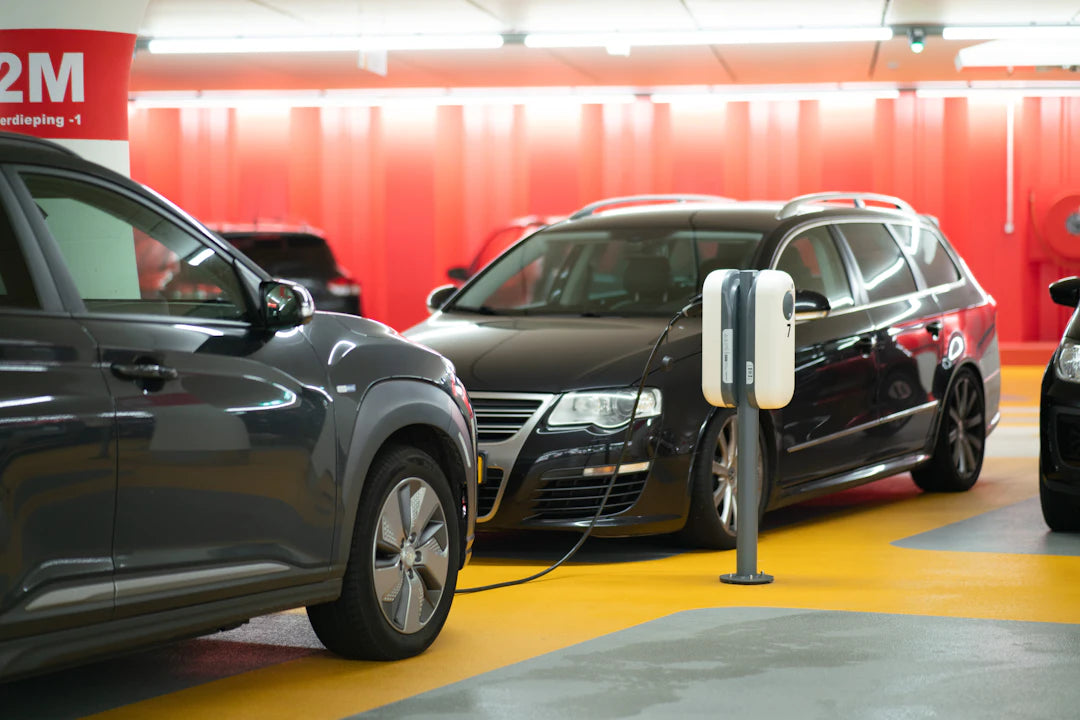
As the demand for electric vehicles grows, so does the need for robust charging infrastructure. This creates an opportunity to integrate renewable energy sources into the EV ecosystem. Charging stations powered by solar panels or wind turbines can further mitigate the environmental impact of electric vehicles, creating a sustainable cycle from energy generation to consumption.
The Battery Dilemma
Despite the numerous benefits of electric vehicles, the production and disposal of their batteries present environmental concerns. Current lithium-ion batteries, while effective, require substantial resources for their manufacture and pose challenges at the end of their lifecycle.
Mining and Resource Extraction
The mining processes for lithium, cobalt, and nickel—key components of electric vehicle batteries—can lead to environmental degradation. Responsible sourcing and a push for sustainable mining practices are critical for mitigating these impacts. Innovations in battery technology, including the exploration of solid-state batteries or battery recycling, hold promise for reducing the ecological footprint of EVs.
Government Policies and Incentives
Government incentives and regulations play a pivotal role in promoting electric vehicle adoption. Various countries are setting ambitious goals to phase out gasoline and diesel vehicles, providing subsidies and tax breaks for EV buyers. These measures not only drive sales but also encourage manufacturers to invest in cleaner technologies.
Global Trends in EV Adoption
Many governments worldwide are encouraging a shift towards electric vehicles as part of their commitment to the Paris Agreement and climate action plans. The push for electric mobility is evident, with several countries aiming for a significant percentage of all vehicles on the road to be electric in the coming decades.
Challenges Ahead
While the advantages of electric vehicles are considerable, the transition is not without its challenges. Key issues that need to be addressed include:
- Charging Infrastructure: Scaling up the charging infrastructure is crucial for widespread adoption. Fast chargers need to be accessible to alleviate concerns about range anxiety.
- Batteries Recycling and Disposal: Developing efficient methods for recycling EV batteries will be essential to minimize impact on landfills and recover valuable materials.
- Public Perception and Education: Many consumers remain hesitant about transitioning to electric vehicles due to misconceptions about their performance, cost, and overall sustainability.
Innovations Driving The Future
The future of electric vehicles looks promising thanks to ongoing innovations in technology. Existing challenges are being addressed through various developments, including:
Advancements in Battery Technology
The race is on to create more efficient, sustainable, and longer-lasting batteries. Research into solid-state batteries, for instance, could lead to faster charging times and lower environmental impacts. These innovations will be fundamental in ensuring that electric vehicles remain a viable and responsible option for consumers.
Smart Grids
The integration of electric vehicles with smart grid technology can enhance energy management and utilization. Vehicles can potentially serve as energy storage units, discharging power back to the grid during peak demand times. This bi-directional flow of energy can optimize power generation and distribution.
The Collective Journey Towards Sustainability
Understanding the impact of electric vehicles on the environment highlights the importance of collective action. EVs represent just one piece of the puzzle in achieving a sustainable future. By supporting initiatives that encourage responsible sourcing, investing in infrastructure, and promoting renewable energy, we can pave the way for a greener and healthier planet.
As consumers, policymakers, and manufacturers embrace electric vehicles and work together towards sustainable practices, we can reduce our carbon footprint, improve air quality, and contribute to a more sustainable future. With your support, we can all play a role in driving the shift toward cleaner transportation and protecting our planet for generations to come.