
Overview
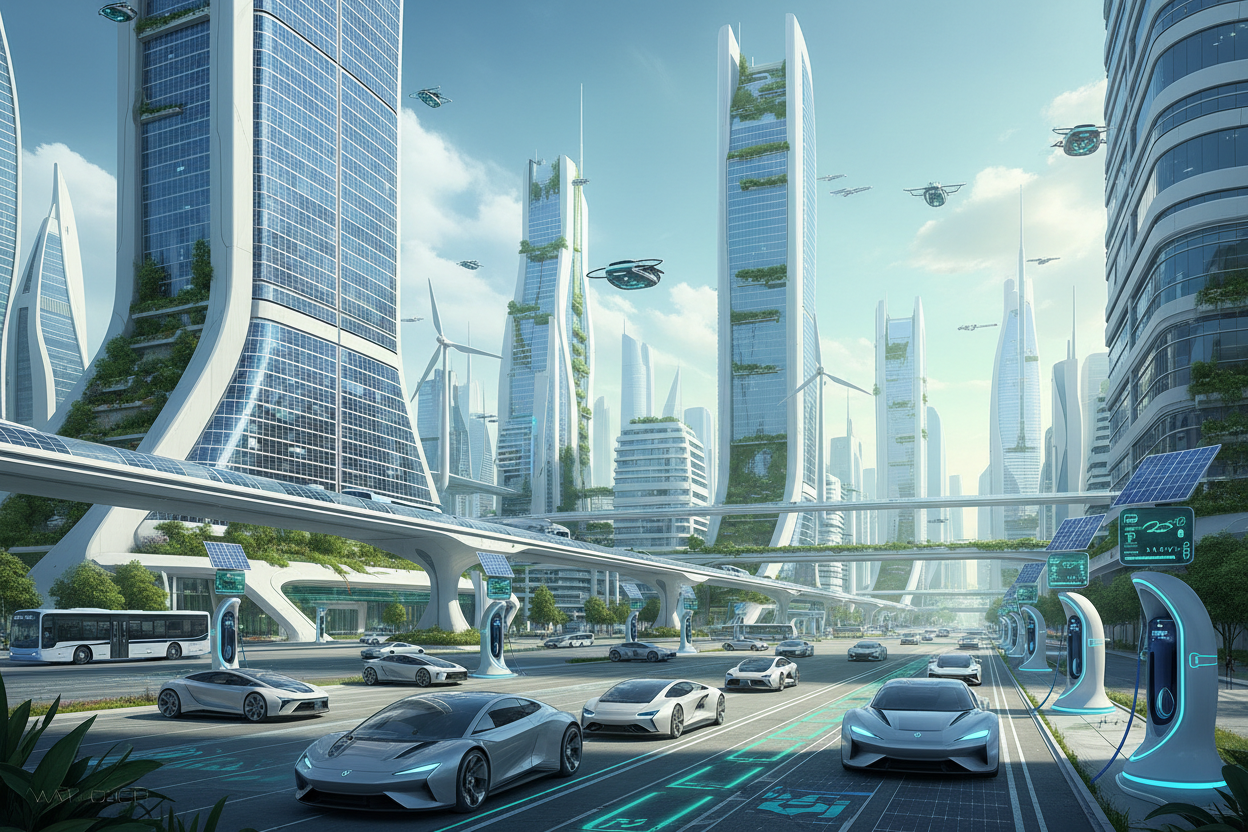
The rise of electric vehicles (EVs) is transforming global infrastructure, necessitating the development of extensive charging networks, urban planning adjustments, and renewable energy integration. Government policies and consumer demand are driving this shift, leading to innovative solutions and collaboration across sectors. However, challenges such as range anxiety, charging times, and infrastructure costs remain. Examples from Norway, California, and China highlight successful initiatives in EV infrastructure development, paving the way for a sustainable future.
Frequently Asked Questions
1. What are the key factors driving the rise of electric vehicles (EVs)?
2. How are governments promoting electric vehicle adoption?
3. What are the different types of charging solutions available for electric vehicles?
4. How does electric vehicle infrastructure impact urban planning?
5. What challenges does the electric vehicle industry currently face?
The rise of electric vehicles (EVs) is driving significant changes in infrastructure development across the globe. With climate change concerns and a push for more sustainable living, the automotive industry is shifting towards electric alternatives, and this transition necessitates a complete overhaul of the existing infrastructure. This blog post explores how electric vehicles are influencing various aspects of infrastructure development, from charging stations to urban planning and beyond.
The Growing Popularity of Electric Vehicles
Electric vehicles have witnessed exponential growth in popularity over the past decade. Factors such as environmental awareness, government incentives, and advances in battery technology contribute to this rise. As more consumers choose EVs over traditional internal combustion engines, the demand for supporting infrastructure increases accordingly. In 2023, a significant percentage of new car sales were electric, signaling a transformation in consumer preferences.
Government Initiatives and Policies
Governments worldwide are implementing policies aimed at promoting electric vehicle adoption. These measures include tax incentives, subsidies for EV purchases, and the establishment of stricter emissions regulations for conventional vehicles. By encouraging consumers to switch to electric vehicles, governments are also paving the way for substantial investment in infrastructural developments, such as:
- Charging Stations
- Smart Grid Technologies
- Battery Recycling Facilities
Charging Stations: The Cornerstone of EV Infrastructure
One of the most critical components of electric vehicle infrastructure is the availability of charging stations. With the growing number of EVs on the road, the need for a reliable and widespread network of charging points is paramount. New charging stations are being installed in locations such as shopping centers, workplaces, and even homes, ensuring that EV users have ample options for recharging their vehicles.
Types of Charging Solutions
Charging solutions vary widely, each catering to different user needs. Here’s an overview of the main types:
- Level 1 Charging: Utilizes standard 120-volt outlets, primarily for home use. It’s the slowest option but requires minimal setup.
- Level 2 Charging: Offers a faster charge, typically found in public charging stations and homes with dedicated circuits. This 240-volt option is becoming increasingly common.
- DC Fast Charging: Ideal for on-the-go charging, capable of providing a substantial charge in a short amount of time. Found predominantly at highway rest stops and major travel routes.
Urban Planning and Smart Cities
As cities adapt to the influx of electric vehicles, urban planning must respond to these changes. Cities are reimagining their infrastructure to accommodate not only charging stations but also enhanced public transport options, bicycle lanes, and pedestrian pathways. This holistic approach promotes cleaner energy usage and improves the overall quality of urban life.
Integrating EVs into Public Transport
Electric vehicles aren't just for personal use; they are making their way into public transport systems as well. Electric buses, trams, and taxis are gaining traction, reducing reliance on fossil fuels and promoting sustainability within urban centers. Investments in dedicated electric public transport infrastructure can lead to:
- Reduced greenhouse gas emissions
- Improved air quality
- Lower operational costs for transit authorities
The Role of Renewable Energy Sources
For electric vehicles to be truly sustainable, the energy powering them must come from renewable sources. The integration of solar, wind, and other renewable energies into the charging infrastructure is vital. Charging stations equipped with solar panels can help offset energy costs and promote energy efficiency. This transformation not only benefits the environment but also helps to reduce the strain on traditional power grids.
The Future of Energy Storage
Energy storage technology plays a crucial role in optimizing the use of renewable energies for electric vehicle charging. Battery storage solutions can store energy during off-peak hours and release it during high demand, ensuring a stable and reliable power supply for EV charging stations. Additionally, advancements in battery recycling technologies will support the sustainable lifecycle of batteries, minimizing waste and environmental impact.
Impact on Automotive Industry and Supply Chains
The shift towards electric vehicles is reshaping the automotive industry and its associated supply chains. Manufacturers must adapt their production practices, invest in new technologies, and reskill their workforce to keep pace with this transformation. This evolution can foster innovation and economic growth, as new businesses emerge to meet the demands of an electrified automotive landscape.
Collaboration Between Sectors
A successful transition to electric vehicles requires collaboration between various sectors, including automotive manufacturers, energy providers, and government agencies. Stakeholders must work together to ensure that infrastructure development aligns with the growing number of electric vehicles on the road. This harmonization can lead to:
- Streamlined development of charging networks
- Increased investments in renewable energy
- Enhanced customer education and outreach initiatives
Challenges Ahead
Despite the numerous advancements in electric vehicle technology and infrastructure, challenges still remain. Some of the key issues that need to be addressed include:
- Range Anxiety: Many potential EV users worry about the driving range of electric vehicles. Increasing the number of charging stations can alleviate these concerns.
- Charging Time: The time it takes to charge an electric vehicle can deter potential buyers. Fast-charging technology is essential for reducing this barrier.
- Cost of Infrastructure Development: Significant investment is needed to build comprehensive charging networks. These costs often require government support and incentives.
Real-World Examples of EV Infrastructure Development
In various regions around the globe, innovative projects are underway to enhance electric vehicle infrastructure. Here are a few notable examples:
Norway: Leading the Charge
Norway is often hailed as a leader in electric vehicle adoption, with over half of new car sales being electric. To support this growth, the government has invested heavily in charging infrastructure, including rapid charging stations and incentives for local businesses to install charging points.
California: Setting Standards
California's aggressive policies to combat climate change have spurred significant investments in electric vehicle infrastructure. The state has a network of more than 20,000 charging stations, making it a model for other regions to follow. Additionally, California has launched initiatives aimed at increasing the number of electric buses in public transportation.
China: Expanding Global Presence
As the largest market for electric vehicles, China is rapidly expanding its charging infrastructure. The government has prioritized EV development as part of its broader effort to reduce pollution. Cities like Beijing and Shanghai have extensive networks of charging stations that are constantly being improved.
Embracing the Charge: What’s Next?
The influence of electric vehicles on infrastructure development is only set to grow. As more people embrace electric mobility, the need for reliable charging solutions and enhanced urban planning will become even more critical. The transformation of our cities into more sustainable ecosystems will require collaborative efforts between governments, businesses, and communities.
Adopting electric vehicles is more than just a trend—it's a movement towards a greener future. By investing in and supporting the development of infrastructure, we can ensure that future generations enjoy cleaner air, reduced emissions, and better quality of life. Now is the time to embrace the charge and be part of this exciting transformation!