
Frequently Asked Questions
1. What are electric vehicles (EVs)?
2. How are electric vehicles impacting the automotive industry?
3. What are some benefits of electric vehicles?
4. What are the challenges facing the adoption of electric vehicles?
5. How are governments supporting the transition to electric vehicles?
The automotive industry is experiencing a paradigm shift, with electric vehicles (EVs) leading the charge. This transformation is not merely a trend; it's a fundamental change that affects everything from manufacturing to consumer habits. In this blog post, we'll explore how electric vehicles are changing the automotive landscape, providing insights that can help inform your automotive choices and strategies.
The Rise of Electric Vehicles
In the last decade, electric vehicles have rapidly gained popularity. Early adopters paved the way, but now major automotive manufacturers are fully committed to incorporating EVs into their fleets. This rise isn't just about environmental concerns; it's rooted in technology, consumer demand, and evolving market dynamics.
Environmental Impact
One of the most compelling reasons for the rise of electric vehicles is their potential to reduce greenhouse gas emissions. Traditional internal combustion engine (ICE) vehicles contribute significantly to air pollution, whereas EVs produce zero tailpipe emissions. With governments worldwide pushing for stricter emissions regulations, several nations have announced plans to phase out gasoline and diesel cars entirely by mid-century. This shift not only aids in the fight against climate change but also encourages innovation in sustainable technologies.
Technological Advancements
Electric vehicles are at the forefront of automotive technology. Continuous advancements in battery technology have led to significant improvements in range, charging times, and overall vehicle performance. Manufacturers are also deploying smart features, such as advanced driver-assistance systems (ADAS), which enhance safety and convenience. These innovations captivate tech-savvy consumers and differentiate electric vehicles in a crowded market.
The Consumer Shift
As electric vehicles become more accessible, consumer preferences are evolving. Research indicates that the global demand for EVs is skyrocketing. Factors influencing this shift include:
- Cost Savings: While the initial purchase price of electric vehicles may be higher, the cost of ownership is often lower due to reduced fuel and maintenance expenses.
- Government Incentives: Many governments offer tax breaks, rebates, and incentives to encourage EV adoption, making them financially attractive.
- Increased Awareness: As more people become educated about the environmental impact of traditional vehicles, the demand for EVs continues to grow.
Impact on the Automotive Industry
The rise of electric vehicles is reshaping the entire automotive landscape. This shift presents several implications for manufacturers, suppliers, and the market as a whole:
Manufacturing Processes
Automakers are revamping their production lines to accommodate electric vehicles. Building an EV requires different materials and components, such as high-capacity batteries and electric drive trains. This change leads to partnerships and investments in new technology, reshaping supply chains and manufacturing processes.
Challenges and Opportunities
While the transition to electric vehicles brings numerous benefits, it also presents challenges for the industry:
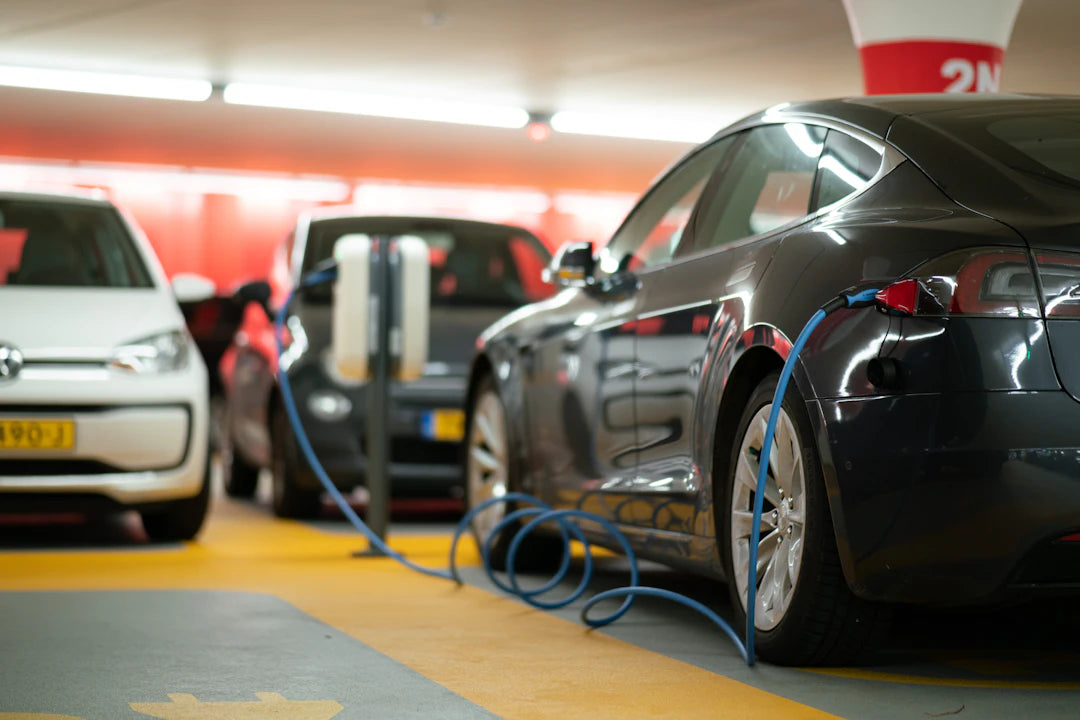
- Infrastructure Requirements: The expansion of charging stations is crucial for EV adoption. Manufacturers and governments need to work together to create widespread charging networks.
- Battery Recycling: As the popularity of EVs grows, the need for sustainable battery disposal and recycling methods becomes vital for reducing environmental impact.
- Consumer Education: As electric vehicles gain traction, educating consumers about their benefits is vital for acceptance.
Future Trends in Electric Vehicles
As the automotive landscape shifts, several trends are emerging that are poised to shape the future of electric vehicles:
Autonomous Driving
Electric vehicles are often seen as the perfect platform for autonomous driving technology. Many EV manufacturers are investing heavily in this area, working toward a future where cars can drive themselves. This innovation could further change consumer perceptions and urban transport dynamics.
Enhanced Connectivity
Connected vehicles are another appealing trend. Electric vehicles are being equipped with advanced infotainment systems and over-the-air updates, making them smart and customizable. This increased connectivity enhances the user experience and opens new business avenues for manufacturers.
Shared Mobility Solutions
Ride-sharing and car-sharing platforms are gaining traction as people increasingly seek alternative transportation methods. Electric vehicles are ideal for these services, as they can operate cost-effectively while supporting sustainability goals. The combination of shared mobility and electric vehicles may redefine personal transportation.
Government Policies and Support
Governments worldwide are crucial players in the successful transition to electric vehicles. They are introducing policies that encourage EV adoption through:
- Investment in Infrastructure: Increasing funding for charging stations and EV-friendly roads.
- Tax Incentives: Providing rebates for consumers who purchase electric vehicles.
- Research Grants: Supporting innovation in EV technology and battery research.
The Economic Impact of Electric Vehicles
The proliferation of electric vehicles is not limited to environmental benefits; it has significant economic implications as well. The transition creates jobs in various sectors, from manufacturing and engineering to sales and customer service. Furthermore, the demand for skilled labor in battery production and renewable energy sources is rising.
New Business Models
Current business models are adapting to accommodate the increasing shift toward EVs. Subscription services, where consumers have flexible options to use vehicles without the burden of ownership, are emerging. This not only caters to a new demographic but also promotes sustainability and reduced congestion.
The Global Perspective
While the electric vehicle revolution is a global phenomenon, its impact varies by region. In countries like Norway, where incentives are strong and infrastructure is developed, EV penetration is remarkably high. In contrast, emerging markets may experience slower adoption due to economic constraints. Nevertheless, global collaboration and technology sharing could accelerate EV integration in all markets.
Final Thoughts: Embracing the Electric Revolution
Electric vehicles are not just changing the automotive landscape; they're leading us into a future of sustainability, innovation, and connection. The benefits of electrifying our transportation systems far outweigh the challenges. As consumers become more aware and supportive of electric vehicles’ potential, the automotive industry will continue to evolve and adapt. Whether you are a manufacturer, supplier, or consumer, it’s time to embrace the electric revolution and consider how you can be part of this transformative journey. Together, we can drive towards a cleaner, greener future!