
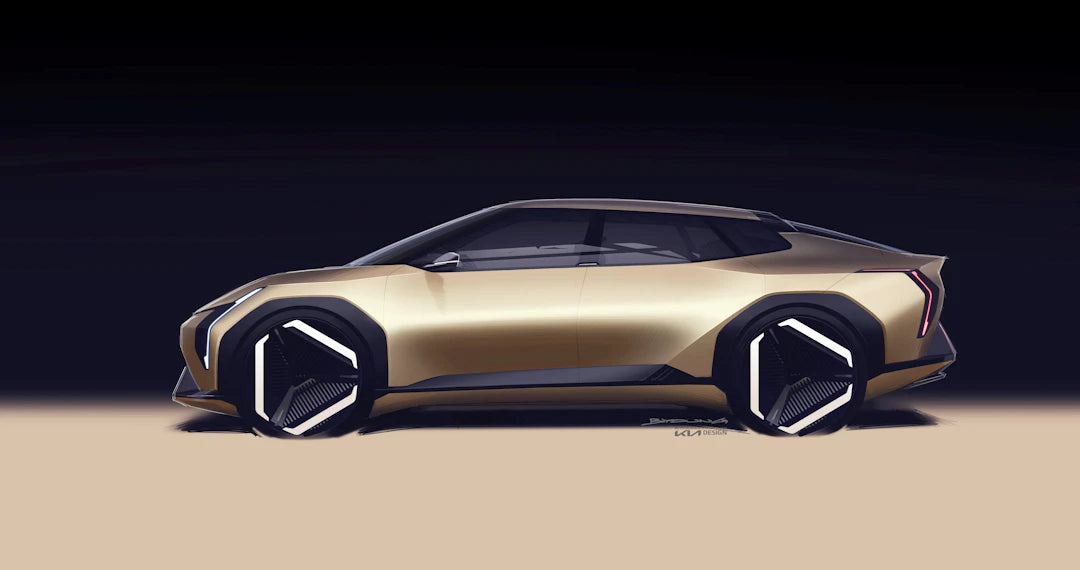
Overview
Electric vehicles (EVs) are rapidly transforming the automotive industry due to increased environmental awareness, advancements in battery technology, and government incentives. As consumer preferences shift towards EVs, manufacturers are investing in R&D and transitioning existing models. However, challenges like charging infrastructure, consumer education, and battery disposal remain. The future of EVs looks promising with enhanced technologies and global market expansion, emphasizing sustainability and innovation in transportation.
Frequently Asked Questions
1. What are electric vehicles (EVs)?
2. Why are electric vehicles gaining popularity?
3. What are some benefits of owning an electric vehicle?
4. What challenges do electric vehicles face in adoption?
5. What is the future outlook for electric vehicles?
The automotive landscape is undergoing a seismic shift as electric vehicles (EVs) take center stage. With sustainability, technology advancements, and consumer preferences driving this transformation, it’s essential to understand how these vehicles are changing the way we think about transportation. This blog post will discuss the multifaceted impact of electric vehicles on the automotive industry and explore the implications for consumers and manufacturers alike.
The Rise of Electric Vehicles
Electric vehicles were once considered a niche market, gaining attention primarily for their environmental benefits. Today, however, they are rapidly gaining traction and altering perceptions about personal transportation. Various factors contribute to this meteoric rise:
1. Environmental Consciousness
As the world grapples with climate change, increasing awareness about environmental issues has prompted consumers to reconsider the impact of traditional gasoline-powered vehicles. Electric vehicles produce zero tailpipe emissions, making them a cleaner alternative that can significantly reduce overall carbon footprints. This growing consciousness among consumers drives manufacturers to prioritize EV production.
2. Advancements in Battery Technology
Battery technology has improved dramatically over the past decade, allowing electric vehicles to become more viable for everyday use. Increased battery efficiency leads to better range, faster charging times, and overall enhanced performance. As charging infrastructure continues to expand, range anxiety becomes less of a concern for potential EV buyers.
3. Government Incentives and Regulations
Many governments worldwide have begun to encourage electrification through various strategies such as tax rebates, subsidies, and stringent emissions regulations. These incentives boost consumer interest and encourage automakers to invest in electric vehicle development, thereby accelerating the transition to an electric future.
Consumer Preferences are Evolving
Today’s consumers are increasingly favoring electric vehicles, leading to a shift in market dynamics. This evolution in preference is influenced by several factors:
1. Cost of Ownership
While the initial cost of purchasing an electric vehicle can be higher than that of traditional cars, the long-term savings associated with maintenance and fuel costs are compelling. Electric vehicles have fewer moving parts, leading to lower maintenance expenses. Additionally, electricity rates for charging are generally lower than gas prices.
2. Technological Integration
Smart technology has become an integral part of the automotive experience. Electric vehicles often come equipped with advanced technology features such as self-driving capabilities, updated infotainment systems, and real-time performance monitoring. These features appeal to tech-savvy consumers who seek modern conveniences.
3. Changing Societal Norms
As electric vehicles gain a foothold in mainstream culture, social perceptions surrounding EV ownership have changed. With celebrities endorsing EVs and major automobile events highlighting electric models, driving an electric vehicle is becoming synonymous with status and modernity. This cultural shift is contributing to the rising demand.
The Impact on Automotive Manufacturers
The shift to electric vehicles doesn’t just affect consumers; it alters the strategies and operations of automotive manufacturers across the globe. Here’s how:
1. Research and Development Investments
Automakers are allocating large portions of their budgets to research and development focused on electric vehicle technology. This includes improving battery technology, enhancing vehicle efficiency, and innovating in charging solutions. The competition for the best electric vehicle is widespread, pushing innovation forward.
2. Collaborations and Partnerships
To navigate this rapidly evolving landscape, many manufacturers enter collaborations with tech companies, startups, and energy providers. Partnerships can spur innovation, allowing automakers to leverage expertise outside of their traditional business models. For instance, collaborations with battery manufacturers can expedite advancements in charging technologies.
3. Transitioning Traditional Models
Many old-school automobile companies are transitioning their existing models to electric versions. From sedans to SUVs and trucks, manufacturers are rethinking their entire lineup and redefining what vehicles will look like in the electric era. This wholesale change requires commitment and strategic long-term planning.
Challenges in the Transition
Despite the many advantages of electric vehicles, the transition isn’t without challenges. Addressing these hurdles is crucial for creating a sustainable EV ecosystem:
1. Charging Infrastructure
A widespread charging infrastructure is essential for promoting electric vehicle adoption. Many regions still lack the necessary charging stations to accommodate a growing number of EVs. Investments in charging networks will be required, both from the public and private sectors, to create a reliable and efficient charging experience for consumers.
2. Consumer Education
Many consumers remain unaware of the benefits and viability of electric vehicles. Comprehensive education programs and marketing campaigns are needed to inform potential buyers about the advantages of going electric. It’s vital to address misconceptions regarding range, costs, and performance associated with EVs.
3. Battery Disposal and Recycling
The increase in electric vehicles has intensified discussions around battery disposal and recycling. Developing efficient and environmentally-friendly methods for recycling old batteries is essential for a sustainable future. Manufacturers need to prioritize responsible end-of-life management for EV batteries.
The Future of Electric Vehicles
As the automotive industry moves forward, the future looks undeniably electric. The trends that we see today are likely to evolve and expand in ways that can further alter our transportation experiences:
1. Enhanced Autonomous Technology
Electric vehicles are often at the forefront of autonomous driving technology. As companies continue to invest in self-driving innovations, we can expect a significant integration of both electric and autonomous technologies, leading to smarter, safer, and more efficient transportation solutions.
2. Sustainable Materials and Manufacturing
The push toward sustainability doesn’t end with electric vehicles. Manufacturers are beginning to experiment with sustainable materials in vehicle production. From bio-based composites to recycled metals, the automotive industry is redefining itself to be more eco-friendly, aligning with consumer values.
3. Global Market Expansion
As electric vehicles gain acceptance in one market, there’s potential for expansion into emerging markets. With growing urban populations and economic development, these areas provide fertile ground for electric vehicle growth. Global automakers will need to tailor strategies to adapt to varying consumer needs across different regions.
Driving the Electric Future Together
In conclusion, the rise of electric vehicles represents more than just a trend; it marks a fundamental shift in how we approach transportation. With environmental sustainability, technological integration, and evolving consumer preferences shaping this landscape, it's imperative for consumers and manufacturers to adapt to these changes collaboratively. The electric vehicle era is here to stay, and together we can drive into a sustainable and innovative future for the automotive industry.