
Frequently Asked Questions
1. What are the key environmental benefits of electric vehicles compared to gasoline vehicles?
2. Why might electric vehicles be considered more economical in the long run?
3. What are some of the performance advantages of gasoline vehicles over electric vehicles?
4. How can consumers assess their suitability for electric vehicles?
5. What trends are expected to shape the future of electric and gasoline vehicles?
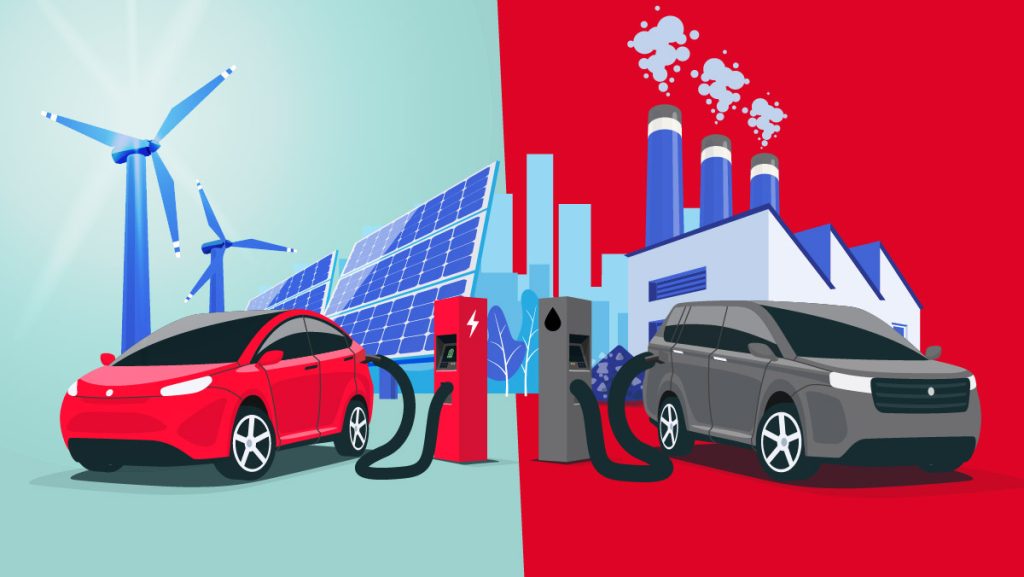
As the automotive industry evolves, the debate between electric and gasoline vehicles has sparked immense interest among consumers, enthusiasts, and environmentalists alike. This comparative analysis sheds light on the key differences, advantages, and limitations of both electric and gasoline cars. Whether you are a car buyer, a curious individual, or a sustainability advocate, understanding the intricacies of these two fuel types can greatly influence your decision-making process.
The Rise of Electric Vehicles
In recent years, electric vehicles (EVs) have witnessed a meteoric rise in popularity. Many factors contribute to this significant shift in consumer preference, placing electric cars at the forefront of discussions about the future of transportation.
Environmental Benefits
The primary advantage of electric vehicles lies in their environmental impact. Unlike gasoline vehicles, which emit harmful pollutants and greenhouse gases, electric cars produce zero tailpipe emissions. By reducing our carbon footprint, EVs play an essential role in combating climate change and protecting our atmosphere.
Economic Incentives
Government incentives further bolster the appeal of electric vehicles. Many countries offer various tax credits, rebates, and incentives to encourage EV adoption, making them more financially feasible for consumers. Additionally, the total cost of ownership (TCO) for electric vehicles tends to be lower than that of gasoline vehicles, thanks to reduced fuel and maintenance costs.
Technological Advancement
The rapid advancement in battery technology has significantly improved the performance and capabilities of electric vehicles. Modern EVs can now travel greater distances on a single charge, reducing “range anxiety” for drivers. With innovations in fast-charging infrastructure, recharging has become quicker and more convenient than ever before.
The Legacy of Gasoline Vehicles
While electric vehicles might be stealing the limelight, gasoline cars still dominate the roads. For many, gasoline engines symbolize reliability, performance, and a rich automotive heritage.
Performance and Power
Gasoline vehicles have long been synonymous with power. The sound and feel of a revving engine evoke a sense of excitement that electric vehicles cannot replicate. Performance-oriented drivers often appreciate the immediacy of power delivery in gasoline engines, especially in high-performance sports cars.
Widespread Availability
The infrastructure for gasoline vehicles is well-established and easy to access. Gas stations are abundant, making refueling a simple and quick process. In contrast, while electric charging stations are increasing in number, they are not yet as ubiquitous as gas stations. This could deter potential EV buyers who might find charging less convenient, particularly on long journeys.
Lower Upfront Costs
Generally, gasoline vehicles tend to have a lower initial purchase price compared to electric vehicles. For consumers on a budget, this can make gasoline vehicles more attractive options. With many affordable models available, it is often easier to find a gasoline car that meets your needs without breaking the bank.
A Side-by-Side Comparison
In order to provide a clearer perspective on the differences between electric and gasoline vehicles, we will compare their attributes across various categories:
1. Environmental Impact
- Electric Vehicles: Zero tailpipe emissions, less air pollution.
- Gasoline Vehicles: Significant CO2 emissions contributing to global warming.
2. Operating Costs
- Electric Vehicles: Lower fuel costs (electricity usually cheaper than gasoline) and lower maintenance expenses.
- Gasoline Vehicles: Higher fuel costs and potential for increases due to gas price fluctuations.
3. Driving Range and Refueling
- Electric Vehicles: Improved range, but longer recharging times can create inconveniences.
- Gasoline Vehicles: Convenient and quick refueling process at nearly every corner.
4. Performance
- Electric Vehicles: Instant torque and smooth acceleration, but some may lack high-speed thrills compared to sports cars.
- Gasoline Vehicles: Can produce higher horsepower and a thrilling driving experience, especially in performance models.
Consumer Considerations
Choosing between an electric and gasoline vehicle entails various personal factors. Here are some key aspects consumers should consider:
1. Driving Habits
Your typical driving routine significantly affects which vehicle type is more suitable for you. Do you frequently embark on long-distance journeys, or is your usage primarily for short commutes? Electric vehicles excel in urban settings where short trips and access to charging points are advantageous.
2. Environmental Consciousness
For eco-conscious consumers, electric vehicles can provide peace of mind. If minimizing your environmental impact is a top priority, then opting for an EV can contribute positively to sustainability efforts.
3. Budget and Financial Incentives
Knowing your budget and understanding the available financial incentives can help you make an informed decision. Electric vehicles may have a higher upfront cost, but the long-term savings could outweigh this initial investment.
4. Technological Preference
Your preference for modern technology may also guide your choice. If you appreciate the innovative features commonly found in electric vehicles, such as regenerative braking and advanced driver-assist systems, you may lean towards EVs.
The Future of Automotive Technology
As the world leans towards sustainable solutions, the automotive landscape is set to undergo significant transformations. Here are some trends that may shape the future of electric and gasoline vehicles:
1. Research and Development
Both electric and gasoline vehicle technology will likely continue evolving. Research into battery technologies is ongoing, promising to improve EV range and charging speeds. On the gasoline front, advancements in internal combustion engines could lead to better fuel efficiency and emissions reductions.
2. Autonomous Vehicles
The rise of autonomous driving technology may bridge the gap between electric and gasoline vehicles. As electric models are often seen as the linchpins of future smart transportation systems, the integration of autonomous capabilities will likely become standard.
3. Charging Infrastructure
The expansion of electric vehicle charging networks will alleviate some of the current limitations associated with EV ownership. As cities and rural areas invest in charging stations, the transition to electric vehicles will become increasingly convenient for drivers across various locales.
Making the Switch
For those considering a switch to electric vehicles, the journey may seem daunting but is increasingly feasible. As the technology matures, manufacturers are producing more diverse models to cater to various consumer needs and preferences.
1. Understanding EV Types
It is essential to understand the different types of electric vehicles available, including fully electric (BEVs), plug-in hybrids (PHEVs), and fuel cell electric vehicles (FCEVs). Each option has unique features and advantages that cater to different driving habits.
2. Assessing Local Incentives
Research any local initiatives or subsidies that can offset the cost of purchasing an electric vehicle. Often, governments provide significant financial incentives aimed at promoting the adoption of green technologies, which could make owning an EV more accessible for everyone.
3. Trial and Test Drive
Before making a commitment, take the time to test drive several electric models. Familiarizing yourself with their handling, features, and technological capabilities can make your decision much simpler and assure you that you’re making the right investment.
The Road Ahead
The debate between electric and gasoline vehicles is ongoing, but one thing is certain: both fuel types have unique advantages appealing to different segments of the population. By understanding the nuances and implications of both options, consumers can make well-informed choices aligned with their values and lifestyles. The automotive industry is rapidly evolving, and as environmental concerns continue to gain prominence, electric vehicles are poised to play an increasingly essential role in shaping the future of transportation. So whether you lean toward electric or gasoline, the most important thing is embracing the journey ahead and driving towards a greener, more sustainable future.