
Overview
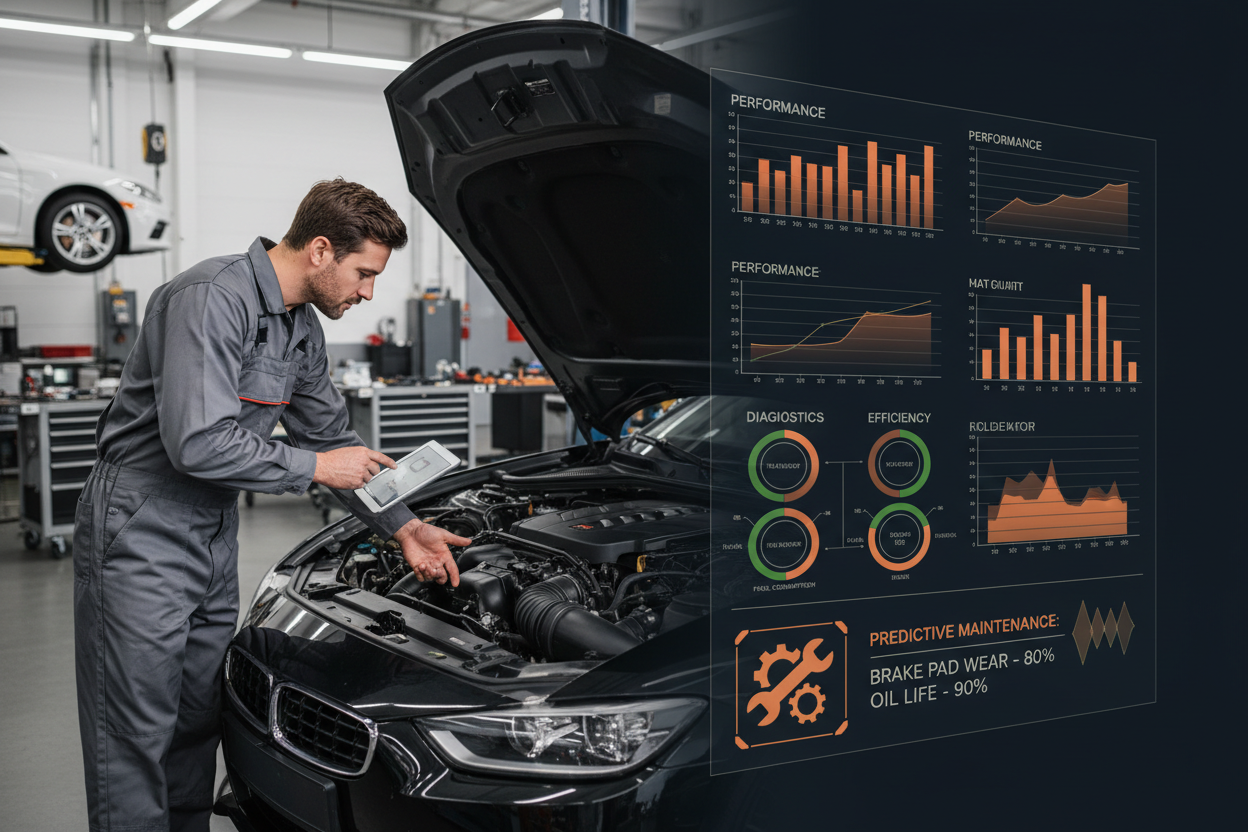
Data analytics is transforming the automotive industry by enhancing vehicle performance, optimizing fuel efficiency, improving safety features, and guiding vehicle design. Key benefits include predictive maintenance, driving behavior analysis, real-time data for safety, customer-centric design, and efficient fleet management. As technology advances, the role of data analytics will continue to grow, driving innovation and sustainability in the sector.
Frequently Asked Questions
1. What is data analytics in the automotive industry?
2. How does data analytics improve fuel efficiency?
3. What role does data analytics play in enhancing vehicle safety?
4. How can data analytics impact fleet management?
5. What is the future of data analytics in the automotive industry?
In an era where technology is revolutionizing every industry, the automotive sector stands at the forefront of this transformation. Data analytics has emerged as a powerful tool for improving vehicle performance. From optimizing fuel efficiency to enhancing safety features, insights derived from data are changing how vehicles are engineered and how they perform on the road. In this blog post, we'll explore the pivotal role of data analytics in enhancing vehicle performance and how it can provide significant benefits to manufacturers, drivers, and consumers alike.
Understanding Data Analytics in Automotive Performance
Data analytics refers to the computational techniques used to analyze raw data and draw meaningful insights. In the automotive industry, data analytics encompasses a variety of processes and systems that collect, process, and analyze data from various sources. This data can come from manufacturing processes, driver feedback, sensors, and even real-time telemetry from vehicles on the road.
The Importance of Data Collection
Before any form of analysis can take place, it's crucial to collect relevant data. Vehicle data can be categorized into numerous segments:
- Telematics Data: This includes information from GPS, driving patterns, and vehicle health metrics.
- Manufacturing Data: Data from production lines can help identify efficiency bottlenecks and defects.
- Customer Feedback: Insights gathered from user experiences can guide the development of new features and enhancements.
- Market Trends: Understanding consumer preferences through sales data can inform future vehicle designs.
Enhancing Fuel Efficiency through Predictive Analytics
One of the most significant areas where data analytics has made a mark is in fuel efficiency. Fuel costs are a significant portion of vehicle operation expenses, making improving fuel efficiency a top priority for manufacturers and drivers alike. Here’s how data analytics plays a role:
Predictive Maintenance
Analytics can forecast maintenance needs based on historical data and current vehicle performance. By predicting when a vehicle might need servicing before it actually breaks down, drivers can maintain optimal performance levels, thereby improving fuel efficiency. For instance, a well-maintained engine runs smoother and consumes fuel more efficiently.
Driving Behavior Analysis
By analyzing driving behavior data, manufacturers can recommend changes tailored to individual drivers. For example, excessive idling or aggressive acceleration can heavily impact fuel consumption. Analytics can pinpoint these behaviors and recommend techniques to improve driving style, resulting in considerable fuel savings.
Improving Safety Features with Real-Time Data
Safety is paramount in automotive design. Data analytics has profoundly influenced safety mechanisms by allowing vehicles to be continuously monitored and evaluated. With the integration of IoT (Internet of Things) technology, real-time data becomes invaluable.
Crisis Prediction and Prevention
Data-driven analytics can help predict potentially dangerous situations before they occur. For instance, if a vehicle’s sensors detect that tire pressure is consistently low, the system can alert the driver to prevent blowouts that could lead to accidents. Furthermore, analyzing data from past incidents can help manufacturers improve existing features and design innovative safety solutions.
Adaptive Features Based on User Behavior
Using analytics, vehicles can learn driver behavior over time, adapting audio, seat positions, and even engine response to enhance safety and comfort. This personalization leads to a safer driving experience as the vehicle becomes more attuned to its driver’s habits.
Enhancing Vehicle Design and Development
The design phase is where data analytics can become a game-changer. By examining large data sets, manufacturers can identify trends that guide them in developing vehicles that meet consumer demands.
Customer-Centric Design
The insights gained from customer data allow for a more customer-centric approach to design. For example, if data shows a significant demand for eco-friendly vehicles, manufacturers can prioritize electric or hybrid designs. The focus can also be on popular features and amenities that enhance the driving experience.
Testing and Quality Improvement
Data analytics simplifies the testing phase of vehicle development. Continuous monitoring during test drives enables data collection on performance metrics like speed, fuel consumption, braking efficiency, and stability. This data leads to faster iterations in design and quality improvements, ensuring that vehicles are better suited to the needs of the market.
Data Analytics Impact on Fleet Management
For businesses that rely on vehicle fleets, data analytics is indispensable. By adopting a data-driven approach, fleet managers can achieve better performance and lower operational costs.
Optimizing Routes
Data analytics can substantially reduce fuel costs by optimizing delivery and travel routes. By analyzing traffic patterns, road conditions, and delivery schedules, fleet managers can make informed decisions on routing that minimize idle time and ensure faster service. The result is not just a decrease in fuel consumption, but also improved customer satisfaction.
Cost Management and Resource Allocation
Analytics can provide insights into cost management that help companies understand where they can cut back and where investments are needed. By evaluating vehicle usage data, companies can determine which vehicles in their fleet are underperforming and which are due for replacement or upgrade, thus allocating resources more efficiently.
Leveraging Advanced Technologies in Data Analytics
The evolution of data analytics is closely tied to advancements in technology. In the automotive industry, integrating advanced technologies into data analytics processes can yield significant performance enhancements.
Artificial Intelligence and Machine Learning
Artificial intelligence (AI) and machine learning (ML) are taking data analytics to the next level. These technologies can analyze complex datasets faster and more comprehensively than traditional methods. For example, AI can identify patterns and correlations in driver behavior that may have been overlooked, offering actionable insights that can lead to enhanced performance and safety.
Big Data Analysis
The rise of big data allows automotive manufacturers to process vast amounts of information from different sources, including telematics, manufacturer data, and consumer feedback. This comprehensive analysis enables more informed decision-making and quicker responsiveness to market changes or vehicle performance issues.
The Future of Data Analytics in the Automotive Industry
As technology continues to advance, the role of data analytics in vehicle performance will only grow. With the rise of autonomous vehicles and increased connectivity between cars and infrastructure, the potential for data-driven insights is enormous.
Sustainability and Environmental Impact
With increasing focus on sustainability, data analytics will play a crucial role in developing greener technologies. By analyzing data related to emissions and energy consumption, manufacturers can fine-tune their designs to reduce their environmental impact. Furthermore, the ability to analyze real-time data can lead to significant advancements in renewable energy integration, further bolstering the industry's commitment to sustainability.
Smart Cities and Connected Vehicles
The future of transportation is expected to integrate thoroughly with smart city initiatives. As vehicles become interconnected, data analytics will help enhance vehicle-to-everything (V2X) communication. This communication can optimize traffic flow, reduce congestion, and provide real-time updates on road conditions, ultimately leading to safer and more efficient travel.
Driving Towards the Future
In summary, the role of data analytics in improving vehicle performance cannot be overstated. This technology fosters innovation, enhances safety, reduces costs, and contributes to a more sustainable future. As the automotive industry continues to evolve, leveraging analytics will be critical for manufacturers, fleet managers, and drivers alike. By unlocking the insights hidden in data, the automotive world is on a journey toward improved performance that benefits everyone. In this fast-paced industry, those who harness the power of data analytics are not just keeping up; they are paving the way for the future of vehicle performance.