
Overview
Cars significantly impact the environment through air pollution, climate change, resource depletion, and waste. Sustainable transportation solutions, like electric vehicles, public transport, and biking initiatives, can help mitigate these effects. Individuals can contribute by reducing driving, opting for greener vehicles, and supporting community initiatives and legislation for sustainability.
Frequently Asked Questions
1. What are the main environmental impacts of cars?
2. How do cars affect air quality?
3. What role do electric vehicles play in sustainable transportation?
4. How can individuals reduce their environmental impact regarding car usage?
5. What is the importance of car breakers in environmental sustainability?
As we zoom into the 21st century, the impact of cars on our environment has become one of the pressing issues of our time. From air pollution to climate change, the automobile industry plays a significant role in our ecological footprint. This article explores the environmental consequences of our car culture, the push for sustainable alternatives, and what individuals and communities can do to embrace greener solutions.
The Dark Side of Driving
Cars have become a staple in modern life, offering unparalleled convenience and comfort. However, this convenience comes at a high environmental cost. The following are some of the most pressing issues related to the environmental impact of automobiles:
Air Pollution
One of the most visible dangers of cars is air pollution. The emissions from millions of vehicles contribute significantly to the air quality issues that many cities face today. Pollutants such as nitrogen oxides and particulate matter can cause serious health problems, including:
- Respiratory diseases
- Cardiovascular problems
- Agggravation of pre-existing health conditions
Interestingly, research shows that urban areas with higher traffic density often report poorer air quality, consequently impacting the health of their residents. The link between automobile emissions and public health is undeniable.
Climate Change
Cars are among the top sources of greenhouse gas emissions, primarily carbon dioxide (CO2). These emissions trap heat in the atmosphere, leading to global warming and climate change. The transportation sector is responsible for about 14% of global greenhouse gas emissions, making it a significant player in climate change. Some of the identified trends include:
- Increased frequency of extreme weather events
- Rising sea levels
- Melting polar ice caps
Resource Depletion and Waste
The production and maintenance of cars also contribute to resource depletion and waste. From the extraction of raw materials to the creation of vehicle components, every stage has ecological consequences:
Raw Material Extraction
Building a car requires a range of materials, including steel, aluminum, plastic, and rubber. The environmental cost of extracting these materials is significant, often resulting in habitat destruction and resource depletion. Mining activities can lead to soil contamination and the disruption of local ecosystems.
End-of-Life Vehicles
Once a car reaches the end of its lifecycle, it often ends up in landfills, contributing further to environmental degradation. The majority of a car is recyclable, but flawed disposal methods hinder this potential. A significant number of cars are dismantled improperly, leading to toxic substances leaching into soil and groundwater.
The Shift Towards Sustainable Transportation
Recognizing the alarming environmental impact, governments and organizations are pushing for greener solutions. Here are some of the key trends shaping the future of transportation:
Electric Vehicles (EVs)
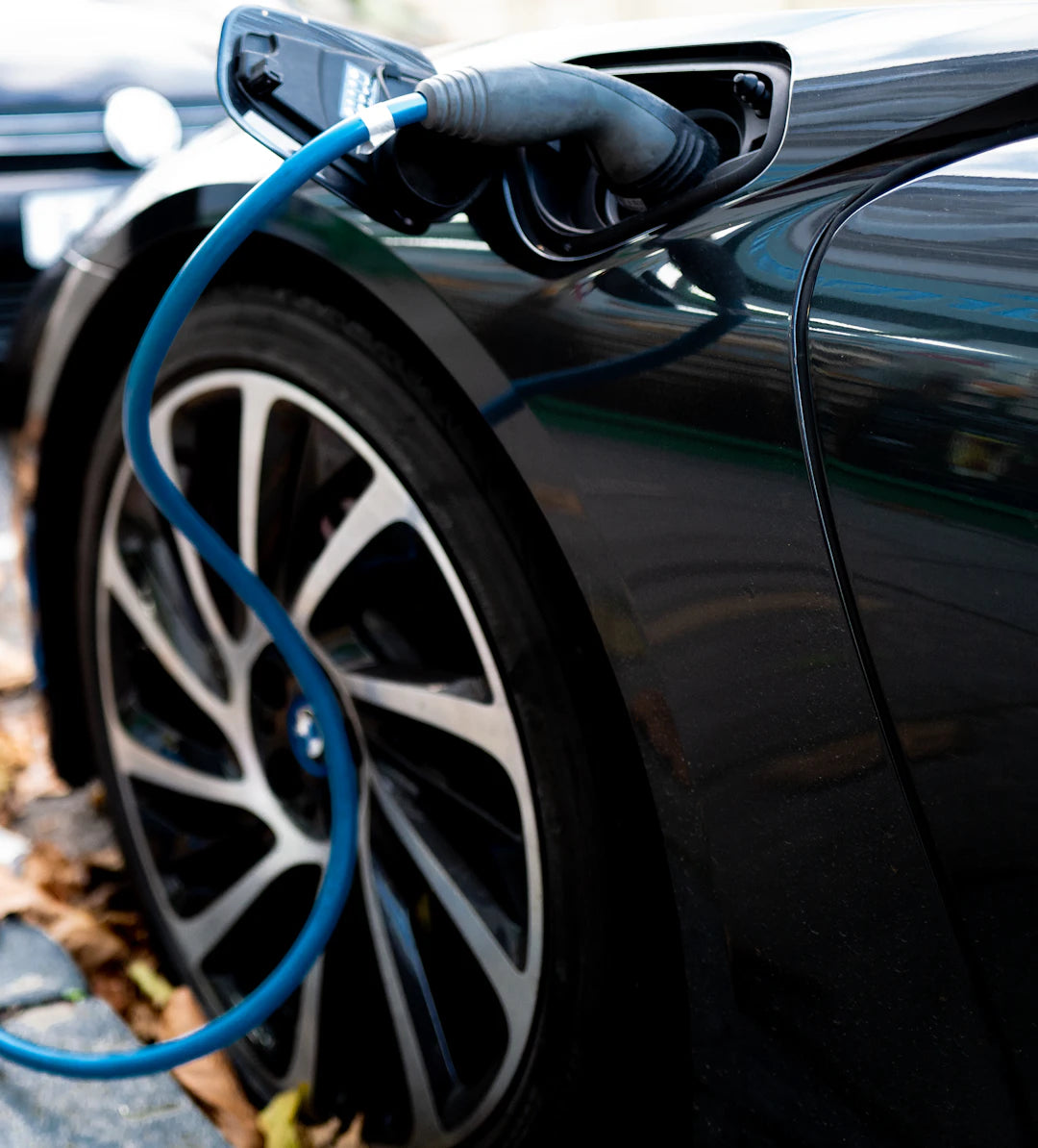
Electric vehicles are leading the charge towards sustainability. Unlike traditional gasoline-powered cars, EVs produce zero tailpipe emissions, substantially reducing air pollution. Furthermore, as the energy grid shifts towards renewable sources, the carbon footprint of charging EVs continues to diminish.
Public Transportation
Investing in public transport systems is another step towards reducing the automobile dependency. Efficient public transport networks can carry a large number of passengers, ultimately reducing the number of individual vehicles on the road. Benefits include:
- Lower greenhouse gas emissions
- Reduced traffic congestion
- Decreased road maintenance costs
Biking and Walking Initiatives
Many cities are recognizing the benefits of promoting cycling and walking. Infrastructure improvements, such as dedicated bike lanes and pedestrian-friendly areas, not only encourage these modes of transport but also improve overall community health and well-being. Here are some advantages of biking and walking:
- Reduction in carbon footprint
- Health benefits from physical activity
- Less noise pollution
The Role of Car Breakers
Car breakers play a crucial role in minimizing the environmental impact of cars. They specialize in dismantling end-of-life vehicles responsibly, ensuring recyclable parts are processed correctly. This not only conserves resources but also prevents hazardous materials from contaminating the environment. Supporting local car breakers can make a significant difference in creating a circular economy and promoting sustainability.
Responsible Recycling Practices
By focusing on responsible dismantling and recycling, car breakers ensure that valuable resources are reused, and waste is reduced. This is a win-win situation for both the environment and consumers. Here are some key benefits of using recycling facilities:
- Conservation of natural resources
- Energy savings in production
- Reduction in landfill waste
What You Can Do
We can all contribute to reducing the environmental impact of cars. Here are some actionable steps that individuals can take:
Opt for Public Transport or Carpooling
Ditch the solo commutes and consider using public transport or carpooling with colleagues or friends. This simple change can significantly lower your carbon footprint and promote a more sustainable community.
Choose Electric or Hybrid Vehicles
If you’re in the market for a new vehicle, consider an electric or hybrid model. These options tend to have lower total emissions, contributing to a healthier planet.
Reduce Driving Frequency
Try to limit your driving frequency. Combining errands into one trip, walking or biking when possible, and working from home can all cut down on unnecessary car journeys.
Community Initiatives and Support
We are stronger together. Engaging with local community initiatives can drive change effectively. Look for organizations advocating for sustainable transportation in your area and consider joining forces. Your voice and participation can create a more robust push for greener solutions.
Support Legislation for Sustainable Practices
Stay informed about local and national legislation related to vehicle emissions and sustainability. Advocating for laws that promote clean transportation and renewable energy can amplify the shift towards a greener future.
A Greener Path Forward
In a world increasingly aware of environmental challenges, the automotive industry stands at a crossroads. The push for greener solutions is not only vital for combatting climate change but essential for the sustained health of our communities and ecosystems. By understanding the environmental impact of cars and taking actionable steps towards more sustainable practices, we can all contribute to a cleaner, greener planet. The road ahead may be long, but together, we can drive change and pave the way for a bright and sustainable future.