
Frequently Asked Questions
1. What are the main types of EV charging stations?
2. What challenges does the EV charging infrastructure currently face?
3. How can government incentives help in the development of EV charging stations?
4. What technological advancements are aiding EV charging infrastructure?
5. How can collaboration benefit EV charging infrastructure development?
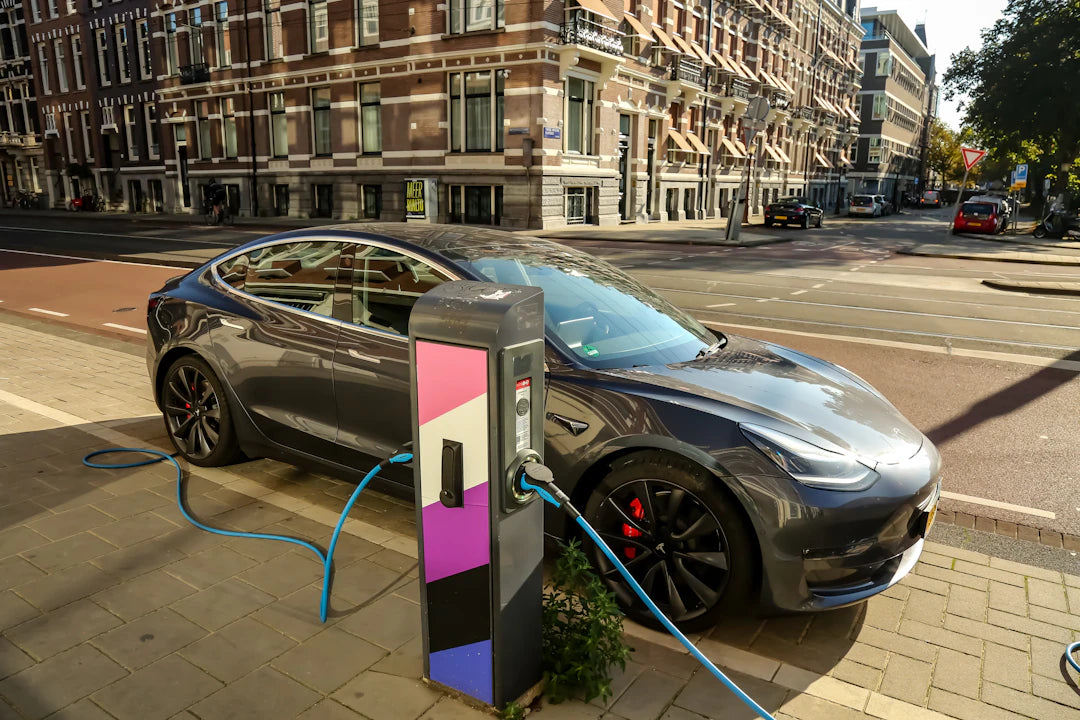
The shift towards electric vehicles (EVs) is not just a trend; it's a fundamental transformation in how we look at transportation. As consumers are becoming increasingly aware of the benefits of EVs—like lower emissions, reduced fuel costs, and government incentives—the need for a robust EV charging infrastructure has never been greater. However, this transition comes with its own set of challenges and opportunities. In this blog post, we will delve into the intricacies of EV charging infrastructure, exploring the hurdles we face and the innovative solutions that can pave the way for a sustainable future.
The Current Landscape of EV Charging Infrastructure
The growth of electric vehicle adoption has led to an increased demand for charging solutions. EV charging infrastructure comprises different types of charging stations that can be categorized into three main levels: Level 1, Level 2, and DC Fast Charging. Understanding these distinctions is crucial for both consumers and businesses looking to invest in charging solutions.
Types of Charging Stations
- Level 1 Charging: This method utilizes standard household outlets (120 volts), allowing for overnight charging at home.
- Level 2 Charging: Using 240 volts, these stations are often found in public spaces and can charge an EV significantly faster than Level 1.
- DC Fast Charging: Ideal for quick top-ups, these stations can recharge up to 80% of an EV’s battery in approximately 30 minutes, making them suitable for long road trips.
While the variety of charging solutions is beneficial, it also complicates the development and standardization of the infrastructure needed to support them. Understanding the demand for each type of charger and where those demands are most pressing is the first step toward addressing the existing challenges.
Key Challenges in EV Charging Infrastructure
As we move toward an increased adoption of electric vehicles, several challenges must be addressed to ensure a seamless transition. Understanding these challenges provides a clearer picture of the landscape businesses must navigate.
Insufficient Charging Infrastructure
One of the most significant challenges faced is the insufficient number of charging stations available. While the market is experiencing growth, the current infrastructure still lags behind the number of EVs being sold. According to industry reports, as of 2025, there were about 1.5 million electric vehicles in Ireland, but only a fraction of these have access to charging stations.
Interoperability Issues
Another hurdle is the lack of standardization and interoperability between different charging networks. As various providers emerge, each with their proprietary systems and payment methods, it creates confusion among consumers. This fragmentation can deter potential EV buyers who may worry about access and compatibility.
High Installation Costs
The financial burden of installing charging stations can be prohibitively expensive for businesses and local governments alike. While federal and local incentives exist, they may not cover the complete cost of development and installation, making it less appealing for stakeholders to invest.
Energy Supply and Grid Support
Moreover, as the demand for electric vehicles grows, so does demand for energy. The current electric grid may struggle to support millions of additional charging stations without significant upgrades. This necessitates thoughtful planning and investment in renewable energy sources to ensure sustainability.
Opportunities in EV Charging Infrastructure
Despite these challenges, there is a silver lining. Numerous opportunities are available for businesses and communities willing to invest in EV charging infrastructure. Recognizing these can benefit not just the operators but also society and the environment at large.
Government Incentives and Grants
Governments worldwide offer various incentives for businesses looking to install EV charging stations. For example, grants can offset initial investment costs, making it more financially feasible for small businesses and local authorities to create charging hubs. These incentives can significantly accelerate the development of the infrastructure needed to support electric vehicles.
Technology Advancements
Technological advancements are creating more efficient and cost-effective charging solutions. Innovations in battery technology, smart charging networks, and energy management systems are paving the way for more robust infrastructure. For instance, wireless charging and solar-powered stations are emerging as viable solutions to enhance accessibility and reduce dependence on the electrical grid.
Collaboration and Partnerships
Building partnerships between public and private sectors can yield mutual benefits. Collaborations on joint ventures contribute to developing a widespread charging network, while businesses can tap into new customer segments through partnerships with EV manufacturers and energy providers.
Enhanced Customer Experience
As consumer expectations evolve, integrating user-friendly payment systems, real-time availability notifications, and intuitive interfaces will enhance the overall EV charging experience. These enhancements can help mitigate the interoperability issues currently plaguing the market.
Building a Sustainable Future Together
The evolution of the EV charging infrastructure presents both significant challenges and remarkable opportunities. Not only do we need to address the current shortcomings in our charging networks, but we also have the chance to innovate and grow in ways that align with our early aims for cleaner, greener transportation. By embracing cutting-edge technologies, forming strategic partnerships, and encouraging governmental policies that support growth, we can create a future where electric vehicles thrive alongside a robust and accessible charging infrastructure.
The road ahead might seem daunting, but with collaboration and commitment from all stakeholders, we can unlock the potential of electric vehicles and their charging networks. Imagine a world where your journey begins not at the gas station but at the convenience of your own home, facilitated by an infrastructure that is ready and waiting to welcome the next generation of transportation. Together, let’s pave that way and drive towards a sustainable future!