
Frequently Asked Questions
1. What significant transformations have occurred in the automotive industry since its inception?
2. Who introduced the first practical motorcar and when?
3. How did the Great Depression impact the automotive industry?
4. What advancements in the automotive industry emerged during World War II?
5. What trends are shaping the future of the automotive industry?
The automotive industry has undergone significant transformations since its inception in the late 19th century. From steam-powered vehicles to today's high-tech electric cars, the journey is marked by innovation, regulatory changes, and shifts in consumer preferences. This blog post explores the rich history of the automotive industry, highlighting pivotal moments and influences that have shaped it over the years, with a specific focus on how these changes can inform current practices in the field.
Early Beginnings: The Birth of the Automobile
The late 1800s witnessed the birth of the automobile, a groundbreaking invention that transformed the future of transportation. In 1886, Karl Benz introduced the first practical motorcar, the Benz Patent Motorwagen. This was an important milestone, demonstrating that gasoline could power a vehicle effectively. The introduction of the automobile heralded a new era for mobility and innovation.
The Internal Combustion Engine Revolution
Following the invention of the motorcar, the internal combustion engine emerged as the driving force behind automotive development. By the turn of the 20th century, companies like Ford and General Motors had started to take shape. Henry Ford revolutionized the industry with his introduction of assembly line production in 1913, making cars accessible to the masses and accelerating the sector's growth.
The Roaring Twenties and Automotive Luxury
The 1920s marked a period of luxury and excess in the automotive industry. Cars were no longer seen merely as a means of transport; they became a status symbol. Brands like Cadillac and Packard competed fiercely to incorporate the latest technology and design aesthetics into their vehicles. Innovations during this period included electric starters, automatic transmissions, and advancements in safety features, setting the stage for ever-more complex automotive engineering.
The Impact of the Great Depression
With the onset of the Great Depression in the 1930s, the automotive industry faced considerable challenges. Sales plummeted, and many companies struggled to stay afloat. However, this period also saw innovation continue as manufacturers sought to evolve their product lines to appeal to cost-conscious consumers. Compact cars and more affordable models gained popularity, helping the industry recover as the economy improved.
World War II: A Turning Point for Innovation
World War II significantly impacted the automotive industry, as automobile manufacturers shifted their focus toward war efforts, producing military vehicles and aircraft components. This shift not only demonstrated the industry's adaptability but also led to remarkable innovations in engineering. The technologies developed during the war years found their way back into civilian vehicles post-war, including advancements in materials and manufacturing processes.
The Birth of the Modern Automotive Era
Post-war America saw a boom in automobile ownership, spurred by a growing economy and expanded freeway systems. The 1950s and 1960s marked the ascent of iconic American muscle cars, characterized by their powerful engines and stylish designs. The automotive industry was not merely about transportation anymore; it catered to personal identity and cultural expression.
The Oil Crisis and Environmental Awareness
The 1973 oil crisis served as a wake-up call for the automotive industry, highlighting the need for more fuel-efficient vehicles. It sparked a shift in consumer preferences toward smaller cars that consumed less gasoline. Automakers, both in the U.S. and abroad, began to explore alternative fuels and more efficient engineering practices, an early glimpse at the industry's transition toward sustainability.
The Rise of Japanese Automakers
During the late 1970s and 1980s, Japanese automakers such as Toyota and Honda gained a strong foothold in the U.S. market. They emphasized the production of reliable, fuel-efficient vehicles, which resonated with consumers seeking alternatives to American muscle cars. This marked a significant shift in competition within the industry, compelling U.S. manufacturers to adapt or risk losing market share.
Technological Advancements: The Computer Age
As technology progressed, so did the automotive industry, embracing electronics and computer systems to enhance vehicle performance, safety, and comfort. The introduction of onboard diagnostic systems in the 1980s allowed for easier identification of vehicle issues, while the advent of anti-lock braking systems and airbags improved safety. These changes initiated a new standard for automotive manufacturing, setting the stage for future innovations.
The Dawn of Electric and Hybrid Vehicles
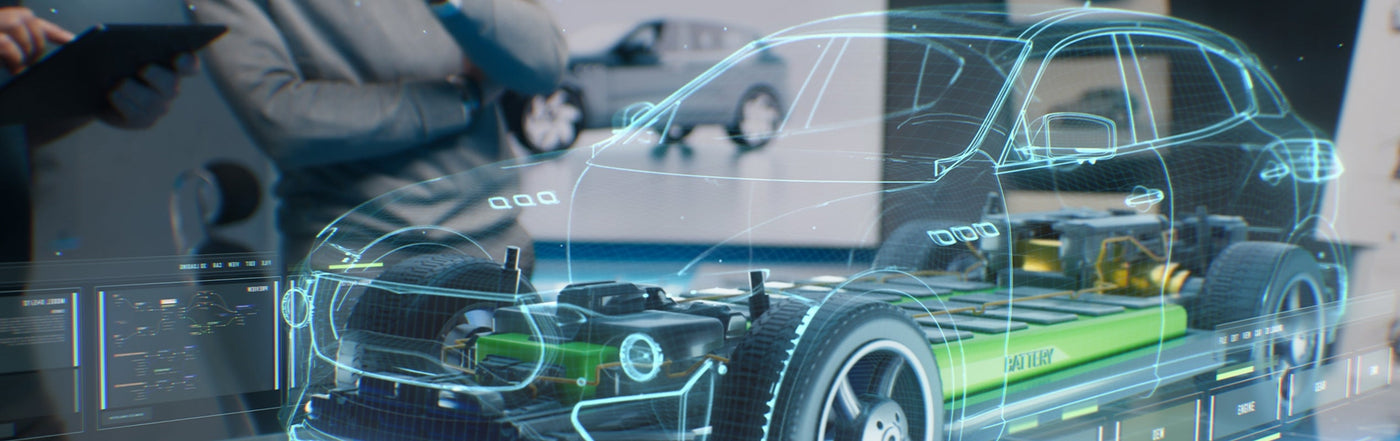
The late 1990s and early 2000s introduced electric and hybrid vehicles as feasible alternatives to traditional gasoline-powered cars. With growing environmental concerns and the need for sustainable technologies, automakers like Toyota with the Prius began leading the charge into the hybrid market. The push for electric vehicles (EVs) has significantly increased in recent years, driven by advancements in battery technology and the increasing urgency for sustainable transport solutions.
A Focus on Sustainability and Autonomous Driving
Today, the automotive industry faces a pivotal moment, as sustainability and autonomous driving technologies shape its future. Companies are racing to develop all-electric fleets with extended ranges and faster charging capabilities. Simultaneously, advancements in artificial intelligence and machine learning are paving the way for autonomous vehicles, which promise to redefine transportation.
Changing Consumer Preferences and New Business Models
The shift toward sustainability is not just a trend but a necessity for the industry's future. Eco-conscious consumers are demanding vehicles that are less taxing on the environment. This has led to innovatively designed cars made from recycled materials, as well as subscription and shared ownership models that promote efficient use of vehicles.
The Challenges Ahead: Navigating a New Landscape
While the automotive industry continues cultivating innovation, it is not without its challenges. The potential for technological failures, regulatory hurdles, and the evolving expectations of consumers present obstacles that manufacturers must navigate. Collaborations between tech companies and automakers are becoming increasingly common, as both seek to harness their respective expertise to tackle these challenges effectively.
The Future of Mobility: A New Horizon
As we look ahead, it's clear that the evolution of the automotive industry is far from over. With promising technologies on the horizon, the future of mobility appears bright. Electric vehicles have the potential to decrease our reliance on fossil fuels, while autonomous driving offers the promise of safer roads and more efficient transportation systems.
A Roadmap to the Future: What Lies Ahead?
The automotive industry is a dynamic sector that reflects broader technological and societal changes. The evolution of vehicles, from steam and gasoline to electric and autonomous, showcases not only advancements in engineering but also shifts in consumer mindset. As we glean insights from this historical perspective, we must emphasize the importance of adaptability, sustainability, and innovation in navigating the future landscape.
With all these advancements, one thing is clear: the automotive industry is continuously evolving, and our responsibility is to embrace and harness this change for a better, more sustainable future. By keeping innovation at the forefront and committing to eco-friendly practices, the automotive industry can reshape the way we think about transportation, leading us toward a greener tomorrow.