
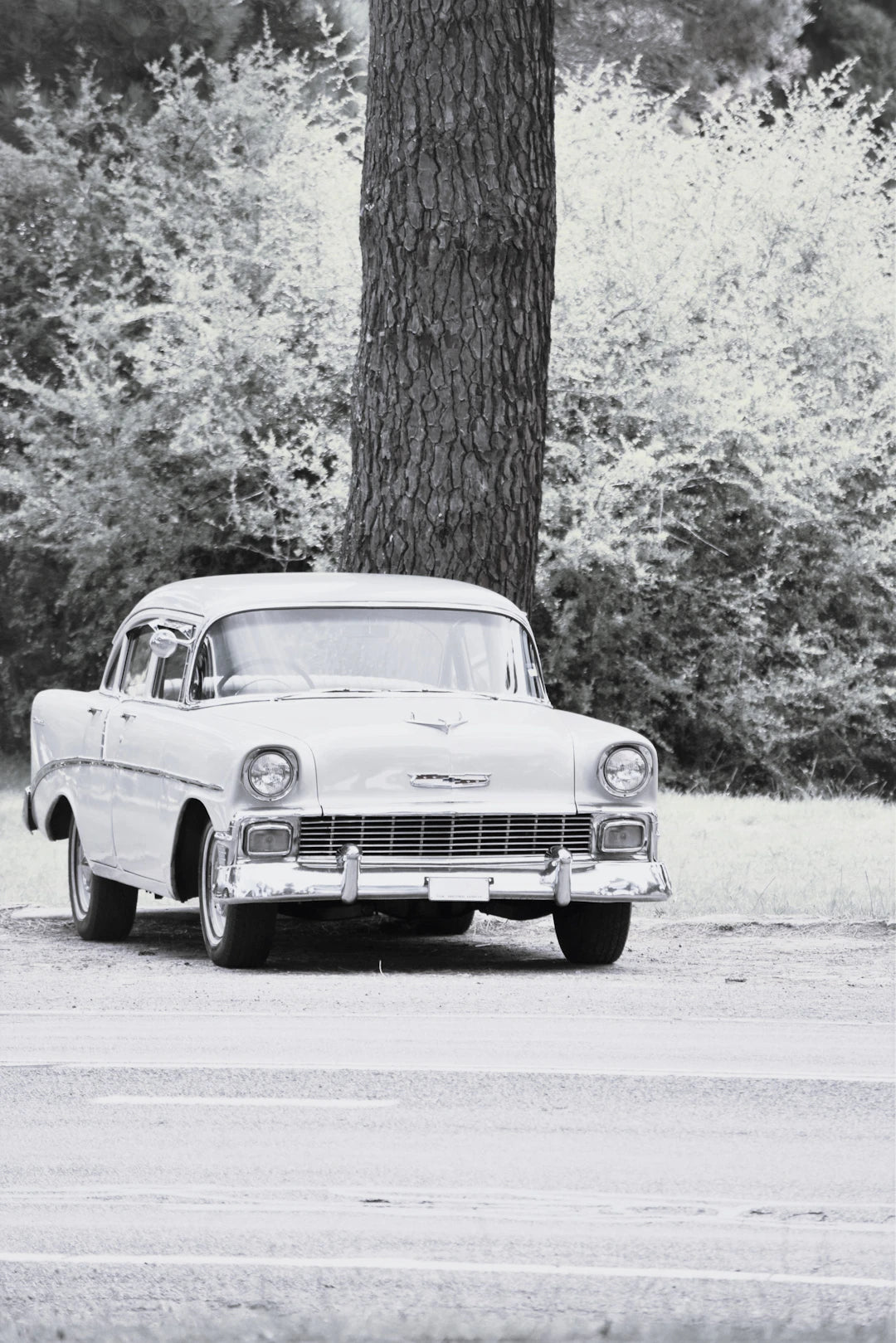
Overview
The automotive industry has evolved significantly since the late 19th century, marked by key milestones such as the invention of the internal combustion engine, the introduction of assembly lines by Henry Ford, and the rise of iconic brands. Post-WWII, the industry experienced a boom, leading to technological advancements like computer-aided design and hybrid vehicles. In recent years, electric and autonomous vehicles have emerged, driven by sustainability and innovation. The industry now faces challenges and opportunities in digital transformation, sustainability practices, and changing consumer preferences, shaping a new era in automotive history.
Frequently Asked Questions
1. What is the history of the automotive industry?
2. Who invented the first true automobile?
3. How did Henry Ford impact the automotive manufacturing process?
4. What innovations emerged in the automotive industry during the late 20th century?
5. What is the significance of electric and autonomous vehicles in the automotive industry today?
The automotive industry has undergone remarkable transformations since its inception in the late 19th century. Comprising manufacturers, suppliers, and aftermarket services, the industry is a veritable behemoth that has continually adapted to technological advancements, societal shifts, and market demands. This article embarks on a historical overview of the automotive industry, highlighting key milestones and their implications for today's landscape. Join us on this exciting journey through time as we explore how the automotive world has evolved.
The Dawn of the Automotive Era
The late 1800s marked the nascent stage of the automotive industry, a period characterized by innovation and exploration. The invention of the internal combustion engine paved the way for motor vehicles, with Karl Benz's Patent-Motorwagen in 1885 recognized as the first true automobile. As automobiles began to emerge, they captured the imaginations of the public and entrepreneurs alike.
The First Manufacturers
In the early 1900s, pioneers such as Henry Ford revolutionized the manufacturing process. Ford introduced the assembly line, drastically reducing production time and costs. The Model T, launched in 1908, became the first affordable car for the average American, catalyzing the growth of the automotive industry in the United States. This marked a significant shift, as cars transitioned from luxury items to essential commodities.
Post-War Boom and Global Expansion
Following World War II, the automotive industry experienced unprecedented growth. The demand for automobiles surged as returning soldiers sought stability and a convenient means of transportation. New models and domestic production soared, contributing significantly to the post-war economic boom.
The Birth of Iconic Brands
During this time, several automotive brands solidified their place in history. The muscle car era of the 1960s introduced American automotive icons such as the Ford Mustang and Chevrolet Camaro. These vehicles not only exemplified power and performance but also cultural movements reflecting youth and freedom.
Technological Advancements in the Late 20th Century
As the 20th century progressed, innovative technologies reshaped how vehicles were designed and manufactured. The introduction of computer-aided design (CAD) in the 1980s enabled better precision and efficiency in vehicle development. Fuel injection systems, anti-lock braking systems (ABS), and electronic stability control became standard features, enhancing safety and performance.
The Environmental Awakening
By the 1990s, growing concerns for the environment initiated a paradigm shift within the automotive industry. The introduction of the Toyota Prius in 1997 marked the beginning of the hybrid vehicle era, blending traditional gasoline engines with electric power. This innovation paved the way for sustainable practices, prompting manufacturers to explore alternative fuel technologies and push for improved fuel efficiency.
The Turn of the Millennium: Globalization and Competition
The early 2000s ushered in an era of globalization, with new players emerging on the international stage. Companies like Hyundai and Kia began to focus on quality and design, challenging traditional automakers. The competitive landscape intensified, leading to mergers and consolidations among major brands.
The Impact of the Internet and E-Commerce
The advent of the internet also revolutionized the automotive industry. Consumers gained access to an unprecedented wealth of information regarding vehicle specifications, pricing, and reviews. Online platforms emerged, transforming how cars were bought and sold. This trend laid the foundation for the rise of e-commerce in the automotive sector, with online marketplaces becoming increasingly popular for both new and used vehicles.
Electric and Autonomous Vehicles: The Future is Now
As we entered the 2010s, electric vehicles (EVs) began to gain traction, driven by the need for sustainable alternatives and advancements in battery technology. Tesla became a household name, proving that electric automobiles could not only be functional but also desirable. Other players soon followed suit, accelerating the industry's shift toward electrification.
The Rise of Autonomous Technology
In parallel, developments in autonomous driving technologies began to unfold. Companies invested heavily in research and development aimed at creating smart vehicles capable of navigating without human intervention. These advancements promise to reshape urban environments, reduce accidents, and redefine mobility.
Challenges and Opportunities in the Contemporary Automotive Landscape
As the automotive industry evolves, it faces numerous challenges—from stringent regulations to shifting consumer preferences. The COVID-19 pandemic accelerated trends such as digital retailing, while the demand for contactless services gained momentum. Beyond these challenges lies a wealth of opportunity, particularly in areas such as connectivity, automation, and sustainability.
The Role of Digital Transformation
Today, digital transformation is at the forefront of the automotive industry. From connected vehicles to advanced telematics, technology continues to change how vehicles communicate, perform, and interact with the driver and the world. Automakers are now leveraging data analytics to enhance customer experiences while creating predictive maintenance solutions for vehicle longevity.
The Circular Economy and Sustainability Practices
Contemporary consumers are increasingly eco-conscious, prompting automakers to adopt sustainable practices throughout the vehicle life cycle. The shift toward a circular economy promotes resource efficiency through recycling and reusing auto parts. In Ireland, for example, car breakers have leveraged this trend, encouraging eco-friendly dismantling services for end-of-life vehicles. This approach fosters environmental protection while ensuring that valuable materials are reclaimed and reused.
The Future: Mobility Solutions and Electrification
Looking to the horizon, the automotive industry must embrace innovative mobility solutions, such as shared mobility programs and micro-mobility options. Consumers are transitioning from traditional car ownership to alternative modes of transportation, with businesses keen to adapt. Electrification paves the way for cleaner urban environments, modernizing public transport options and reducing carbon footprints.
A New Era in Automotive History
The automotive industry certainly stands at a crossroads, driven by a mix of technological advancements, environmental consciousness, and shifting societal values. As we reflect on its evolution over the past century, it is clear that adaptability and innovation will guide its future. The industry's expansion into electric and autonomous vehicles, along with sustainable practices, promises a diverse and exciting landscape for generations to come.
As we wrap up this exploration of the automotive industry's rich history, it becomes evident that the journey is far from over. Join your fellow automotive enthusiasts as we navigate through this weathered yet promising path, setting the stage for a bright and responsible future in mobility. With passion for innovation and commitment to sustainability, the road ahead is poised for new adventures!