Overview
The blog explores the evolution of the automobile from early steam-powered vehicles to modern electric cars, highlighting key milestones such as the invention of the internal combustion engine, mass production innovations, and the rise of hybrid and electric vehicles. It emphasizes the ongoing impact of technology, environmental concerns, and consumer preferences on the automotive industry, forecasting a future focused on sustainability, autonomous driving, and advanced materials.
Frequently Asked Questions
1. What is the significance of the internal combustion engine in automotive evolution?
2. How did mass production impact the automotive industry?
3. What advancements followed the post-World War II era in automobiles?
4. How have hybrid vehicles changed the automotive landscape?
5. What does the future hold for the automotive industry?
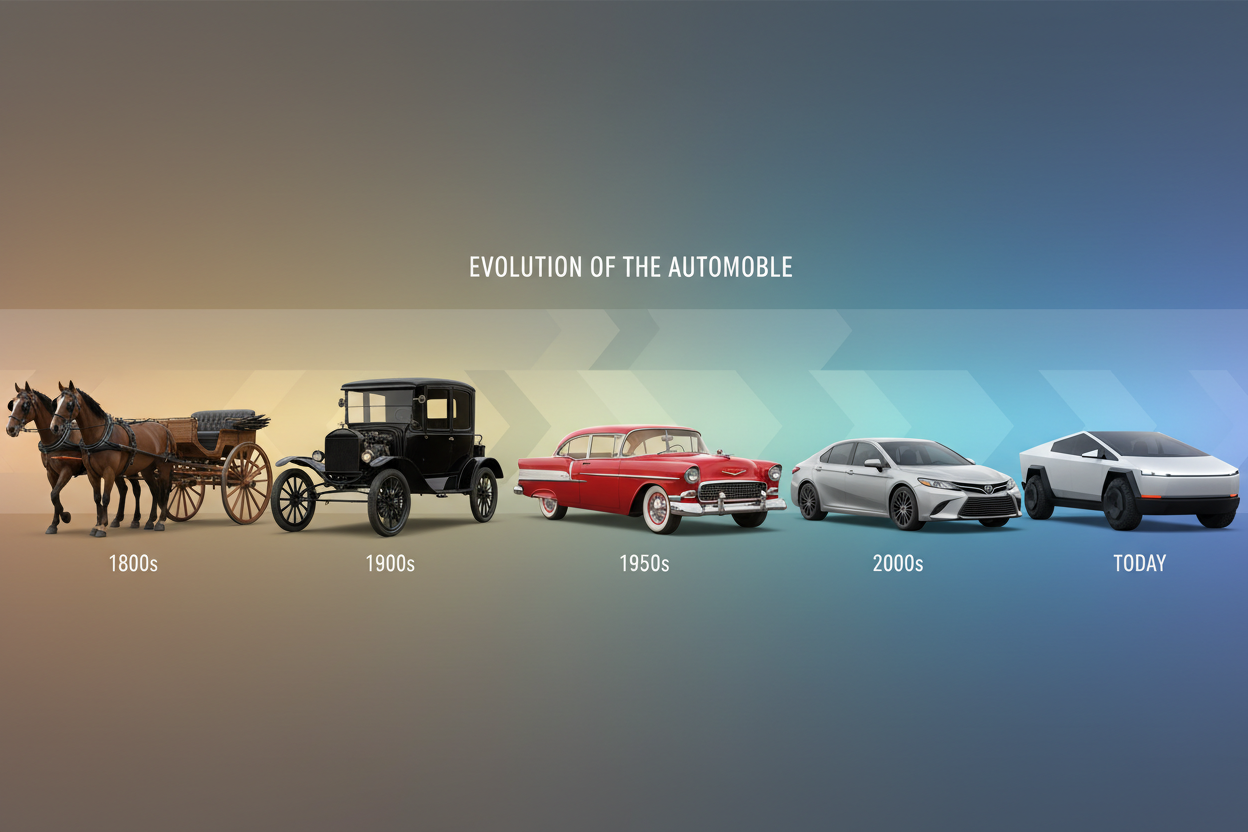
The world of automobiles has undergone a monumental transformation over the past century and beyond. From the early days of horse-drawn carriages to the sophisticated electric vehicles we see today, the progression of automotive technology not only reflects advancements in engineering but also aligns with changing societal needs and environmental concerns. In this article, we will explore the fascinating evolution of the automobile, examining key milestones that have defined it, and looking towards the future of electric power.
The Dawn of the Automobile
The story of the automobile begins in the late 19th century. In 1769, Nicolas-Joseph Cugnot built one of the first full-scale working steam-powered vehicles. While this prototype was groundbreaking, it was not until the development of the internal combustion engine in the late 1800s that true automotive evolution began to take shape.
The Birth of the Internal Combustion Engine
The advent of the internal combustion engine marked a significant turning point in automotive evolution. Karl Benz created the first true automobile powered by such an engine in 1885. His invention, the Benz Patent Motorwagen, offered a new level of independence and mobility previously unheard of. The 1890s saw the rise of various manufacturers, with the automobile slowly moving from a luxury item to a more accessible mode of transport.
The Era of Mass Production
The early 20th century was defined by the revolution in manufacturing that brought cars to the masses. Henry Ford’s introduction of the assembly line in 1913 transformed the automotive industry. By streamlining production, Ford was able to reduce costs and increase efficiency, making automobiles affordable and attainable for the average American household.
The Impact of Mass Production on Society
This period saw a huge expansion of the automobile market. Cars became synonymous with freedom and opportunity, changing how people lived, worked, and traveled. Families could venture out on long road trips, and commerce expanded as goods could be transported over larger distances. The automobile was no longer just a means of transportation; it was a symbol of progress and modernity.
Post-War Innovations
The post-World War II era brought significant changes to the automotive landscape. With returning soldiers and a booming economy, the demand for cars skyrocketed. During the 1950s and 1960s, innovations such as power steering, automatic transmissions, and advanced safety features emerged. This era also saw the introduction of iconic vehicles, such as the Chevrolet Corvette and Ford Mustang, which have since become symbols of American culture.
The Rise of Environmental Awareness
The Transition to Fuel Efficiency and Safety
With the 1970s oil crisis prompting changes in consumer behavior, manufacturers began producing smaller, more fuel-efficient cars. Meanwhile, governmental regulations—such as the establishment of the Environmental Protection Agency in the U.S.—led to stricter emissions standards. The introduction of catalytic converters and more efficient engines became the industry norm.
The Role of Technology
The 1980s and 1990s saw further technological advancements. Electronic fuel injection systems improved efficiency while reducing emissions. Advanced safety features, including airbags, anti-lock braking systems, and improved crash safety standards, became critical selling points. The integration of technology into automotive design laid the groundwork for the future innovations we see today.
The Advent of Hybrid Vehicles
As environmental concerns persisted into the 21st century, the development of hybrid electric vehicles (HEVs) marked a critical turning point. The Toyota Prius, launched in 1997, was one of the first mass-produced hybrids and attracted global attention. By combining traditional gasoline engines with electric power, hybrids presented a new solution to the fuel crisis and offered an alternative to fully gasoline-powered cars.
Public Perception and Market Growth
Initially met with skepticism, hybrids gradually gained acceptance as consumers grew more environmentally conscious. By the late 2000s, automakers began investing significantly in hybrid technology, resulting in a greater variety of vehicles hitting the market. This shift was about more than just efficiency; it represented a broader cultural shift toward sustainability and responsible consumption.
The Electric Revolution
The rise of electric vehicles (EVs) in the past decade has completely reshaped the automotive landscape. With advancements in battery technology, increased charging infrastructure, and growing public demand for environmentally friendly transportation, the electric car market has exploded. Brands like Tesla have driven this revolution, spearheading the trend and demonstrating the viability of electric cars.
Government Regulations and Incentives
Governments worldwide are increasingly promoting the transition to electric vehicles through various initiatives and incentives. Many countries have set ambitious goals for phasing out gasoline and diesel vehicles, reflecting a global commitment to reducing greenhouse gas emissions. Tax credits, rebates, and funding for charging infrastructure are encouraging consumers to make the switch to electric.
The Future of Automotive Technology
As we look ahead, the future of the automobile is likely to be defined by continued advancements in electric vehicle technology, autonomous driving, and sustainable production methods. Innovations such as solid-state batteries promise to enhance efficiency and reduce charging times further, while artificial intelligence (AI) is paving the way for connected, autonomous vehicles that could redefine transportation.
Embracing Sustainability
A key theme in the future of the automobile is sustainability. Automakers are increasingly focusing on eco-friendly materials, recycling practices, and carbon-neutral manufacturing processes. The aim is not only to improve vehicle efficiency and reduce emissions but also to address the environmental concerns associated with manufacturing and disposing of vehicles.
Driving Change Through Innovation
To remain competitive in an ever-evolving marketplace, automotive manufacturers must embrace innovation at every level. This includes investing in research and development to explore new powertrains, enhancing vehicle performance, and using advanced materials to create lighter, more efficient cars. Consumer preferences will continue to shape the direction of the industry, pushing manufacturers to prioritize safety, reliability, and ecological impact.
The Role of Customers in this Journey
As we enter a new era in automotive history, consumers will play a pivotal role in the evolution of vehicles. Public demand for sustainable options will encourage manufacturers to prioritize electric and hybrid technologies. Furthermore, consumer feedback will shape the features and styles of vehicles offered, ensuring that innovation aligns with market desires.
Accelerating Toward a Brighter Future
The journey from horsepower to electric power has been long and complex, defined by innovation, adaptation, and responsiveness to societal needs. As we accelerate toward a future dominated by electric vehicles and autonomous technology, we can expect to see continued changes that will not only redefine the automobile but also how we perceive and interact with transportation.
One thing is certain: the evolution of the automobile reflects our hopes, innovations, and aspirations for a sustainable, connected future. The road ahead is exciting, and with each new advancement, we come closer to a vision of smarter, cleaner, and more efficient transportation. Buckle up; the ride is just getting started!
