
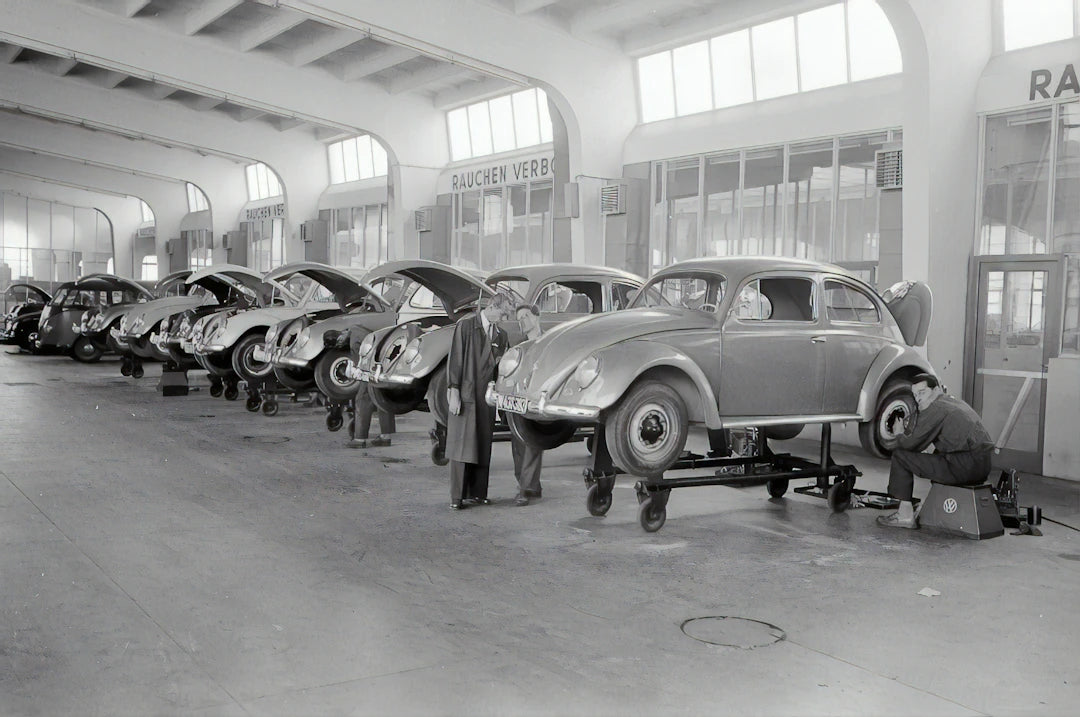
Overview
The automotive industry has evolved from horse-drawn carriages to electric vehicles, driven by technological advancements, environmental awareness, and changing consumer preferences. Key milestones include the introduction of mass production, the impact of World War II, the oil crisis prompting fuel efficiency innovations, and the rise of electric vehicles led by companies like Tesla. Sustainability and technology, including connected and autonomous vehicles, are shaping the future of the industry, with a growing emphasis on eco-friendly practices and consumer demand for efficient, safe vehicles.
Frequently Asked Questions
1. What is the history of the automotive industry?
2. How did World War II impact the automotive industry?
3. What triggered the shift towards electric vehicles?
4. What role does technology play in modern vehicles?
5. How are consumer preferences changing in the automotive market?
The automotive industry has undergone a remarkable transformation over the decades, evolving from simple horse-drawn carriages to sophisticated electric-powered vehicles. This evolution is not just about technological advancements; it's a reflection of societal changes, environmental awareness, and consumer preferences. In this blog, we’ll dive deep into the history, technology, and future of the automotive industry, exploring how it has transitioned to a focus on electric power and what that means for consumers today.
A Glimpse into the Past: The Birth of the Automobile
To understand the full scope of the automotive industry's evolution, we must first look back to its origins. The early 19th century saw the first inklings of motor vehicles with steam-powered engines. However, it was not until the arrival of the gasoline engine in the late 1800s that manufacturing truly took off.
The Advent of Mass Production
In 1913, Henry Ford pioneered the assembly line technique, revolutionizing car manufacturing. This innovation significantly lowered the cost of vehicles and made cars accessible to the average consumer. No longer were automobiles exclusive to the wealthy; they became a central part of everyday life.
The Impact of World War II
The automotive industry also played a crucial role during World War II. Many manufacturers shifted their focus from civilian vehicles to military equipment. After the war, the automotive boom resumed, leading to advancements in design, safety, and comfort. This era saw the rise of iconic vehicles that defined American culture, such as the Chevrolet Corvette and Ford Mustang.
Emphasis on Performance
The 1960s and 1970s marked a golden age for performance vehicles, with horsepower becoming a paramount selling point. Car enthusiasts craved speed and power, leading to the development of powerful engines and high-performance models. However, this focus on horsepower came at a cost—fuel efficiency was largely overlooked.
The Oil Crisis and a Shift in Paradigm
The oil crisis of the 1970s forced the automotive industry to confront its dependence on fossil fuels. Rising fuel prices coupled with growing environmental concerns led to the investigation of alternative energy sources. Consumers began to demand vehicles that were not only powerful but also efficient.
Innovation in Fuel Efficiency
In response, manufacturers started to produce smaller, fuel-efficient cars. The compact car segment gained momentum, with models such as the Honda Civic and Toyota Corolla topping sales charts. The introduction of regulations, such as the Corporate Average Fuel Economy (CAFE) standards in the U.S., made fuel efficiency a priority for manufacturers.
Enter the Electric Vehicle (EV) Revolution
As the threat of climate change became increasingly apparent in the late 20th and early 21st centuries, the automotive industry began to see a renewed interest in electric vehicles. Tesla, founded in 2003, was one of the frontrunners in this movement. The introduction of the Tesla Roadster in 2008 proved that electric cars could be fast, stylish, and desirable.
The Growing EV Market
Today, electric vehicles are no longer seen as niche products. Major automotive manufacturers, including Ford, General Motors, and Volkswagen, have announced ambitious plans to transition toward fully electric lineups. This shift is supported by nationwide efforts to enhance charging infrastructure, which alleviates one of the primary concerns of potential EV buyers: range anxiety.
The Role of Technology in the Automotive Evolution
The evolution of the automotive industry is intertwined with the advancements in technology. From the earliest days of analogue dials to today's high-tech infotainment systems, technology has enhanced the driving experience in countless ways.
Connected Cars and Autonomous Vehicles
Modern vehicles are becoming increasingly connected, allowing drivers to access navigation, entertainment, and vehicle diagnostics through intelligent systems. Furthermore, the development of autonomous or self-driving technology represents the next frontier in automotive evolution. Companies like Waymo and Tesla are leading the charge in this innovative field, with the potential to reshape the future of transportation.
Environmental Impact and Sustainability
With the growth of electric vehicles and environmental awareness, sustainability is a key focus for modern automotive manufacturers. Companies are striving to reduce their carbon footprint, not just through the vehicles they produce but also in their manufacturing processes.
The Circular Economy in Automotive Manufacturing
A circular economy approach encourages manufacturers to design vehicles for longevity and recyclability. This includes using sustainable materials and implementing take-back programs to ensure components are repurposed or recycled, positively impacting the planet.
The Consumer's Perspective: Driving Change
As the automotive industry evolves, consumer preferences are diversifying. Today's consumers are more informed and environmentally conscious, leading to a demand for transparency in the automotive market.
Choosing the Right Vehicle
- Potential buyers consider vehicle efficiency, emissions, and eco-friendly attributes.
- Safety features are highly rated in consumer decisions, such as advanced driver-assistance systems (ADAS).
- Many opt for hybrid models as a middle ground between traditional fuels and full electric vehicles.
What Lies Ahead: The Future of the Automotive Industry
As we glance towards the future, it’s clear that the automotive industry is in the midst of an exhilarating transformation. With the integration of AI, machine learning, and improved battery technologies, we can expect significant strides in electric vehicle performance, affordability, and accessibility.
Policy and Regulations Shaping the Future
Governments worldwide are beginning to adopt stricter regulations concerning emissions and fuel economy, pushing for greener alternatives. Many countries have set ambitious deadlines to transition to electric or hybrid vehicles, influencing manufacturers to adapt rapidly.
Paving the Road Ahead with Electric Power
In conclusion, the evolution of the automotive industry showcases humanity's relentless pursuit of innovation and improvement. From the roar of gasoline engines to the quiet efficiency of electric vehicles, each era has left its mark on society. As consumers become more environmentally conscious, embracing electric power isn't just an option; it's a must for a more sustainable and prosperous future. The journey is far from over, and we are excited to see where the road will take us next!