
Overview
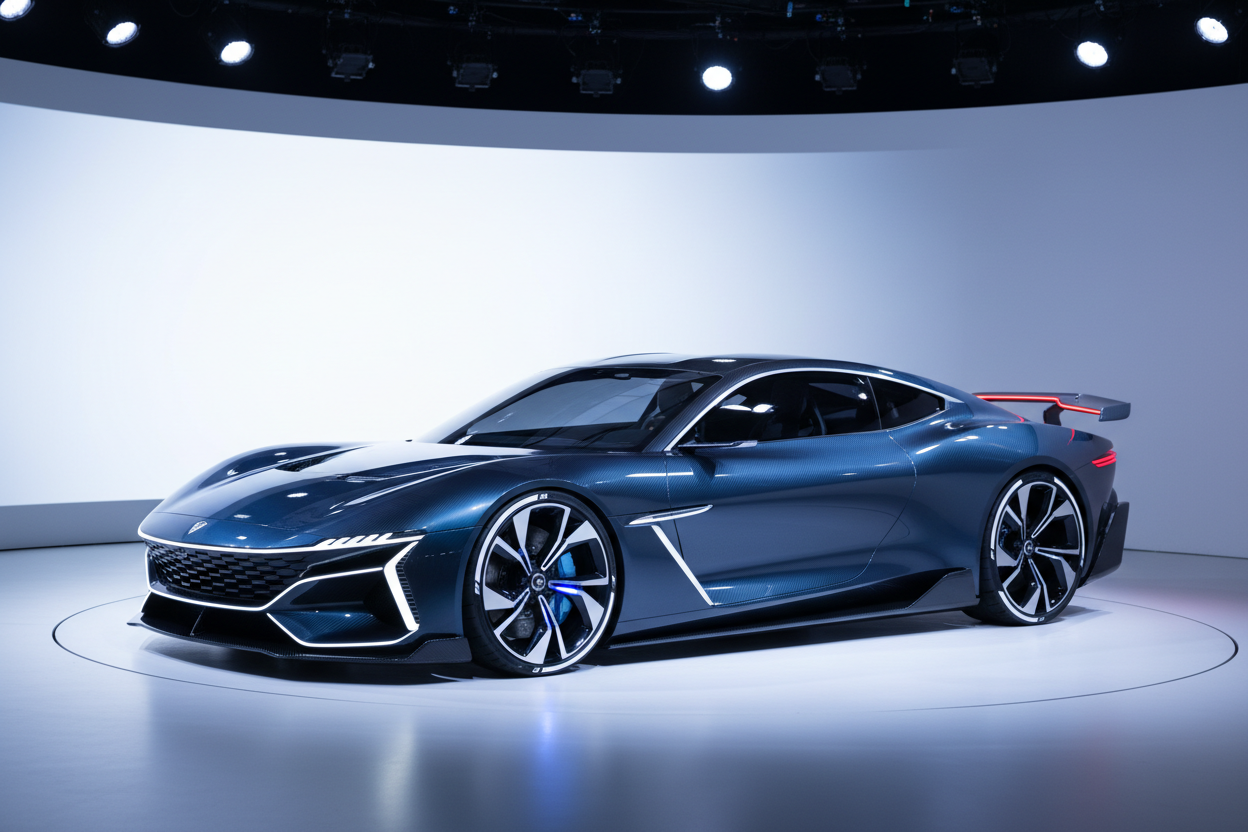
The automotive industry is evolving towards a design philosophy that harmonizes aesthetics and functionality, driven by sustainability, technology, and consumer preferences. Key trends include the use of eco-friendly materials, innovative manufacturing processes, smart interiors, and customizable features. As regulations shape design, manufacturers are embracing energy efficiency and connectivity. Future designs will likely focus on modular components and integrated technology, ensuring vehicles meet modern user demands while reflecting brand values. Embracing these changes is crucial for success in the evolving automotive landscape.
Frequently Asked Questions
1. What are the key trends shaping the future of automotive design?
2. How are sustainable materials influencing automotive design?
3. What role does technology play in modern automotive design?
4. How are consumer trends impacting automotive design?
5. What future technologies are expected to influence automotive design?
The automotive industry finds itself at a significant crossroads where innovation in design is coupling with an increasing demand for functionality. With technology advancing at breakneck speed and consumer preferences continually evolving, the future of automotive design is destined to be a harmonious blend of aesthetics and practicality. This article delves into the exciting developments that are reshaping the automotive design landscape.
The Rise of Sustainable Design Principles
As environmental concerns become more pressing, car manufacturers are incorporating sustainable design principles into their vehicles. This shift marks an important evolution in how aesthetics and functionality are viewed in automotive design.
Materials Matter
One of the key areas of focus in sustainable automotive design is the materials used in vehicle construction. Manufacturers are now exploring recyclable and biodegradable materials to reduce their carbon footprint. For instance, eco-friendly composites and recycled metals are making waves in new car models. Using these sustainable materials not only enhances the aesthetic appeal but also contributes to functionality by improving the vehicle's weight-to-strength ratio.
Innovative Manufacturing Processes
In addition to materials, the manufacturing processes themselves are undergoing transformation. Advanced techniques such as 3D printing enable automakers to create intricate designs previously deemed impossible. These innovations allow for both aesthetically pleasing and functional components that can improve the vehicle's overall performance.
The Role of Technology in Automotive Design
Technology is the backbone of modern automotive design, merging aesthetics with functionality like never before. From user-centric interfaces to intuitive features, technology is enhancing vehicle usability.
Smart Interior Designs
The interior of a vehicle has become just as crucial as its exterior design. With models becoming more tech-savvy, manufacturers are focusing on creating interfaces that are not only pleasing to the eye but also user-friendly. Innovations like augmented reality displays and biometric interfaces offer an elevated level of functionality while enhancing the aesthetic experience for users.
Integrating Driver Assists and Autonomous Features
As autonomous driving technology continues to evolve, there's a significant shift in how automotive designs are approached. The fear of driver distraction has led designers to create clean, simplified dashboards that prioritize functionality without compromising on style. Real-time data analytics feed into aesthetic controls, such as minimalistic designs with touch-sensitive panels that aid in driving while maintaining an elegant appearance.
The Influence of Consumer Trends
As consumer behavior continues to change, so too does automotive design. Manufacturers are striving to meet the evolving expectations of the modern driver, basing their designs on lifestyles and preferences.
The Growing Demand for Customization
Today’s car buyers are seeking more personalized options. By offering customizable features—be it colors, materials, or tech enhancements—automakers are appealing to the individualistic nature of consumers. This trend celebrates both aesthetics and functionality, ensuring that customers can express their identities through their vehicles.
Safety as a Design Consideration
Incorporating safety features is paramount in automotive design, directly impacting aesthetics. The growing trend of implementing surround-view cameras and collision-avoidance systems requires careful planning and strategic positioning of sensors and visual elements. While these components enhance functionality, they can also be integrated into the design seamlessly, ensuring vehicles are both safe and attractive.
The Impact of Global Regulations
As nations strive to reduce emissions and enhance vehicle safety, regulations play a pivotal role in shaping automotive design. Manufacturers are pushed to adapt quickly to these frameworks, thereby influencing their design philosophy.
Adaptability and Compliance
Staying ahead of regulatory changes is crucial for automotive manufacturers. This adaptability fosters innovation, as brands look for creative ways to meet these challenges without compromising on the design. For instance, aerodynamic designs improve fuel efficiency and can be beautifully integrated into vehicle outlines to provide better wind resistance while maintaining an appealing shape.
Emphasizing Energy Efficiency
With regulatory pressures on energy consumption, automakers are shifting their design strategies toward maximizing efficiency. Streamlined designs not only cut down on air resistance but also create a modern aesthetic. An energy-efficient vehicle not only performs better but also presents an attractive package for eco-conscious consumers.
Future Technologies Shaping Design
The future holds immense potential for automotive design transformation through groundbreaking technologies. By leveraging advancements, companies can create vehicles that push the envelope in style and functionality.
Augmented Reality and Virtual Design Tools
Augmented Reality (AR) and virtual reality (VR) are revolutionizing how designers approach projects. These cutting-edge technologies allow for more immersive and interactive design processes, facilitating visual experimentation and instant feedback on aesthetics. This enables creators to visualize the interplay between form and function seamlessly.
Artificial Intelligence in Design
Artificial intelligence plays a critical role in predicting trends and personalizing automotive design. AI can analyze consumer data to reveal preferences and generate recommendations based on design features that appeal to specific demographics. This data analytics capability ultimately enables manufacturers to harmonize aesthetics with functionality, ensuring each vehicle meets customer needs.
The New Age of Automotive Branding
Brand identity increasingly reflects modern values, such as sustainability and technology adaptation. As consumers become more mindful of the brands they support, automotive companies are focusing on creating cohesive brands that resonate with their audience.
Storytelling Through Design
Brands are employing design as a storytelling medium that articulates their vision and values. Vehicles designed with a theme or narrative in mind convey messages about the brand's commitment to innovation and customer-centricity. This approach enhances the aesthetic while maintaining a clear purpose, essentially merging form with function in branding.
Collaboration and Cross-Pollination
The automotive industry is increasingly open to collaborations with artists, designers, and innovators from varied backgrounds. This cross-pollination of ideas results in unique vehicles that encompass striking visual elements without sacrificing core functionalities. When artists contribute to vehicle design, the blend of artistry and practicality can captivate audiences and elevate the entire automotive experience.
Designing for the Future: What Lies Ahead?
The future of automotive design is not merely about aesthetics or functionality but about a holistic approach that considers the entire user experience. As the industry progresses, the lines between style and utility will continue to blur.
The Emergence of Modular Designs
Future automotive designs may involve modular components, allowing for easier upgrades and functionality adaptation. This trend not only enhances practicality but opens new possibilities for creative aesthetics, leading to personalized vehicles that evolve with consumer needs.
Vehicle Connectivity and Ecosystem Integration
As vehicles become increasingly connected to the Internet of Things (IoT), their designs will also reflect this integration. Enhanced connectivity offers a multitude of features while posing new design challenges. Designers will need to create spaces that prioritize harmony between tech and comfort to ensure an enjoyable driving experience.
Embracing Change: The Call to Innovate
The automotive industry stands at the precipice of a design revolution where innovation is not just encouraged; it is essential. As aesthetics and functionality converge, this exciting journey will lead to remarkable vehicles that challenge the conventional norms of automotive design.
Those looking to succeed in the automotive market must remain adaptable and open to the latest advances. Embracing change—and the opportunities it brings—will mean welcoming a future where beauty and utility coexist harmoniously. By continually pushing the boundaries of design and leveraging technological advancements, the automotive industry is not merely keeping pace but setting the trend for the future of transportation.