Overview
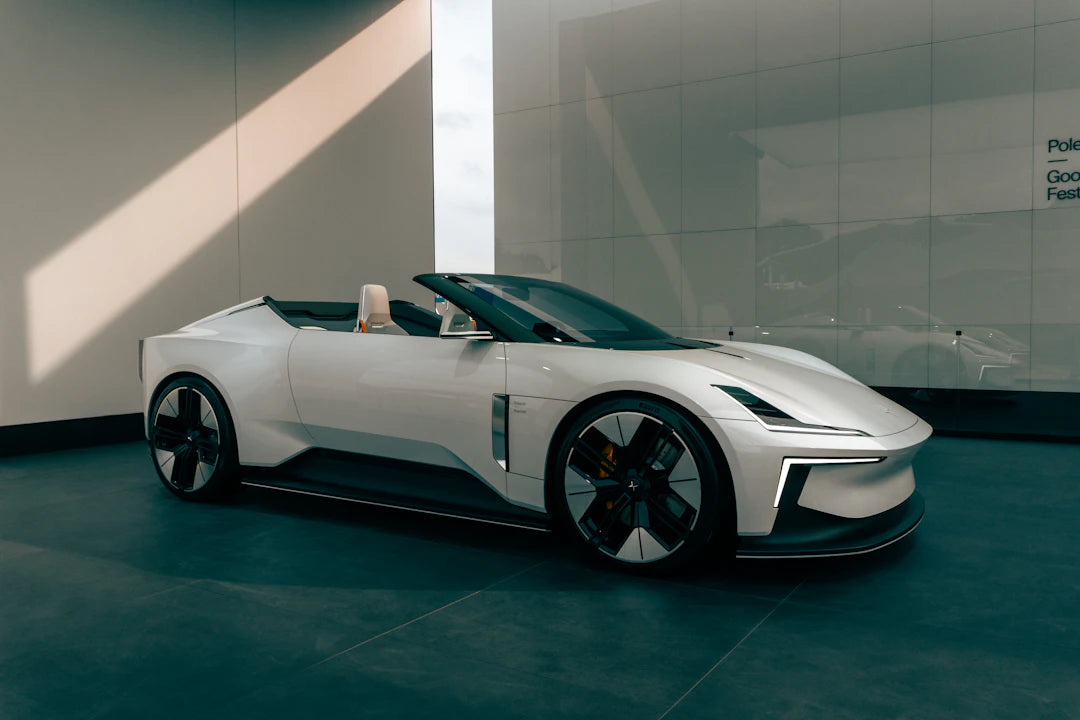
The automotive industry is evolving with a focus on sustainability, technology, aesthetics, and safety. Key trends include eco-friendly materials, connected and autonomous vehicles, sculpted designs, and enhanced safety features. Consumer preferences are shifting towards mobility solutions and health-conscious designs, promising a future where cars are more integrated into our lifestyles and values.
Frequently Asked Questions
1. What are the key elements of sustainability in automotive design?
2. How is technology influencing automotive design?
3. What aesthetic trends are shaping the future of automotive design?
4. What advancements in safety are expected in future vehicles?
5. What are the emerging consumer preferences in automotive design?
The automotive industry is continually evolving, driven by both consumer demand and technological advancements. As we look to the future, automotive design trends are not just about aesthetics; they encompass safety, sustainability, and technological integration, promising an exciting era for car enthusiasts and everyday drivers alike. In this article, we will explore these transformative trends that are reshaping not only how cars look but how they function and impact the environment.
Embracing Sustainability in Design
Sustainability is becoming a cornerstone of automotive design. With rising awareness of climate change and environmental issues, manufacturers are increasingly prioritizing eco-friendly materials and processes. Here are some key elements of this trend:
Eco-friendly Materials
- Recycled Materials: More car manufacturers are utilizing recycled plastics and metals, minimizing waste and reducing the carbon footprint.
- Biodegradable Elements: Interior elements crafted from natural fibers or plant-based materials are gaining traction, ensuring cars are not only stylish but also less harmful to the environment.
- Lightweight Designs: Reducing the weight of vehicles improves fuel efficiency. Designers are focusing on innovative materials like carbon fiber and lightweight alloys.
Energy-efficient Manufacturing Processes
The production processes are also evolving to become more energy-efficient. This includes:
- Utilizing renewable energy sources in factories.
- Implementing zero-waste production methods.
- Investing in water-saving technologies during manufacturing.
Technology-Driven Automotive Innovations
As technology continues to advance, it plays an increasingly crucial role in automotive design. Future vehicles are becoming tech-savvy in ways we could have only imagined a decade ago.
Connected Vehicles
Connected cars are the future, allowing drivers to seamlessly integrate their digital lives with their vehicles. Key aspects include:
- Smartphones Integration: Apps that allow for seamless syncing of schedules, navigation, and entertainment systems are on the rise.
- Vehicle-to-Vehicle (V2V) Communication: This technology allows vehicles to communicate with each other to avoid accidents, improve traffic flow, and increase overall road safety.
- Over-The-Air Updates: As software becomes an integral part of automotive design, regular updates will be essential for keeping vehicles safe and performance-optimized.
Autonomous Driving Technology
The dream of self-driving cars is becoming a reality. Here’s what to expect:
- Advanced Sensor Technologies: LIDAR, radar, and cameras will be extensively used to create a comprehensive view of the vehicle's surroundings, allowing for safe navigation.
- AI and Machine Learning: As cars learn from driving data, they will become more adept at anticipating and responding to various road situations.
- Design Integration: Future designs will need to accommodate new hardware and passenger experiences, leading to a significant shift in the layout and functionality of vehicles.
Redefining Aesthetics
As we venture further into the future, aesthetic trends in automotive design are also set to transform. The lines between functionality and art are increasingly blurred.
Sculpted Exteriors
Gone are the days of boxy car designs. The future will showcase:
- Fluid Shapes: Designers are leaning toward more organic, flowing lines that enhance aerodynamic efficiency and create a visually appealing profile.
- LED Lighting Innovations: Unique lighting designs will play a crucial role in aesthetics, allowing for creativity in branding and visibility.
- Personalization: Consumers are seeking vehicles that reflect their personal style. Expect customizable exteriors that offer various colors and appearance packages.
Futuristic Interiors
Interior design will see dramatic changes as consumer preferences evolve. Key trends include:
- Minimalist Approaches: Clean lines and a decluttered dashboard are becoming preferred, emphasizing technology and user experience.
- Smart Displays: With the rise of connected vehicles, large, interactive displays will become standard, providing a centralized hub for navigation and infotainment.
- Comfort-Driven Design: Enhanced seating, ambient lighting, and climate control systems will be designed to provide an unparalleled experience for passengers.
Safety Innovations at the Forefront
Safety continues to be a pivotal focus of automotive design. Advancements in this area promise not only to protect lives but to create a more secure driving experience overall.
Active Safety Features
- Adaptive Cruise Control: Evolving cruise control technologies will adapt more efficiently to traffic patterns and driver behavior.
- Lane Assistance Technologies: These will ensure vehicles stay within lane markings, reducing the chances of collision due to driver error.
- Collision Avoidance Systems: Vehicles will increasingly incorporate technologies that detect potential hazards and take corrective actions autonomously.
Enhanced Driver Visibility
Visibility is a crucial aspect of automotive safety. Future trends are likely to include:
- Augmented Reality Displays: Navigational prompts might be projected onto the windshield, providing real-time info without diverting attention.
- Advanced Camera and Sensor Systems: Cameras that provide 360-degree views will help eliminate blind spots, enhancing overall safety during driving.
Shifting Consumer Preferences and Lifestyle Integration
As societal trends evolve, consumer preferences are shifting significantly, impacting automotive design.
A Focus on Mobility Solutions
Increasing urbanization means that many consumers are reevaluating their relationship with car ownership. Key points include:
- Car-Sharing and Ride-Hailing: As mobility solutions gain popularity, vehicles are being designed to be used for multiple purposes rather than personal ownership.
- Urban Mobility Integration: Future vehicles will be designed with urban environments in mind, focusing on compactness, versatility, and ease of parking.
- Multi-Modal Transport Solutions: Offering seamless transitions between different types of transport (like cars, bicycles, and public transport) will become essential.
Health and Wellness Considerations
With the rise of health consciousness, vehicle design is also starting to reflect this trend:
- Air Quality Systems: Innovative air filtration systems will be employed to ensure the cabin air is clean and safe, reducing allergens and improving overall health.
- Noise Reduction Technologies: To enhance comfort, future cars will include designs that minimize external noise, creating a serene environment inside the vehicle.
- ergonomics: Seats and controls will be increasingly designed with human factors in mind, emphasizing comfort and reducing strain.
Looking Ahead: The Future of Automotive Design
The automotive industry is on the brink of a revolutionary transformation. As we embrace sustainability, integrate advanced technologies, redefine aesthetics, and prioritize safety, the vehicles of tomorrow promise to provide an experience that goes beyond mere transportation. By keeping a pulse on these emerging trends, manufacturers and consumers alike can expect to witness automotive designs that not only meet the demands of today but also anticipate the needs of the future.
As these trends continue to unfold, it’s clear that the future of automotive design is not just about cars—it's about creating a holistic experience that aligns with our lives and values. Whether you're a car enthusiast, a technology lover, or simply someone interested in how our transportation can evolve, the future is full of possibilities to explore and admire.
