
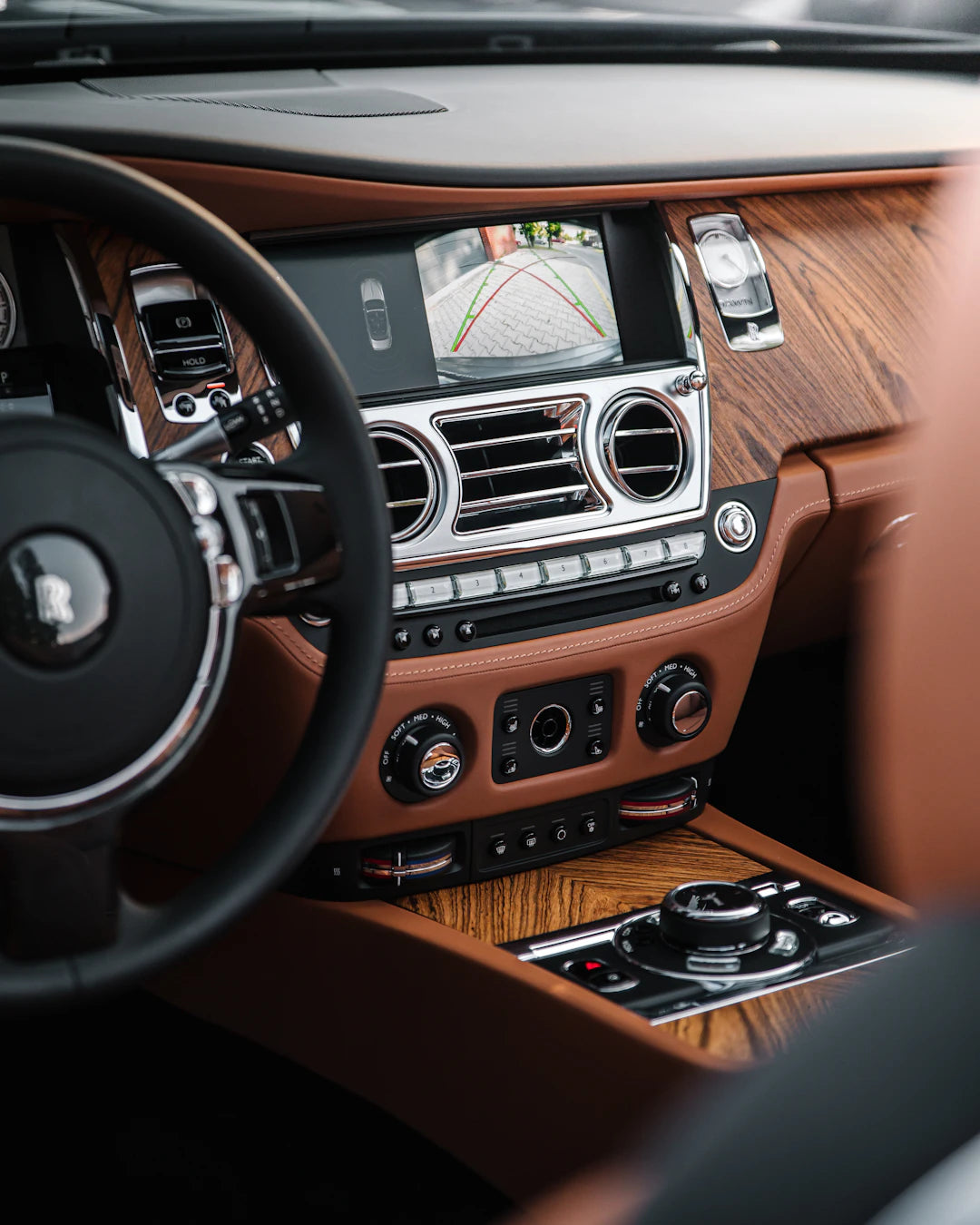
Overview
The automotive industry is transforming interiors to prioritize comfort, connectivity, and sustainability. Key trends include ergonomic design, premium materials, advanced technology integration, and eco-friendly practices. The future promises autonomous vehicles and augmented reality displays, with consumer demand driving customization and online shopping experiences.
Frequently Asked Questions
1. What are the main trends shaping automotive interiors today?
2. How are manufacturers improving comfort in vehicle interiors?
3. What role does technology play in modern automotive interiors?
4. How is sustainability influencing automotive interior design?
5. What future concepts are emerging in automotive interior design?
As we drive towards the future, the automotive industry is undergoing a revolutionary transformation, particularly in the design and functionality of vehicle interiors. Gone are the days when interiors were merely utilitarian spaces; modern automotive interiors are being meticulously crafted to amplify comfort and interconnectivity. From integrated smart technology to premium comfort features, the trends shaping the automotive interior market are paving the way for an enhanced driving experience. In this article, we will explore these evolving trends, how they influence consumer choices, and the future outlook of automotive interiors.
The Rise of Comfort in Automotive Interiors
When it comes to automotive interiors, comfort reigns supreme. With longer commutes and a growing emphasis on the driver and passenger experience, automotive manufacturers are putting an unprecedented focus on creating a comfortable haven within their vehicles.
Ergonomic Design
One of the most significant trends in automotive interiors is the shift toward ergonomic design. This involves creating seats, controls, and other interior features that work in harmony with the human body. Ergonomic seats are now crafted with adjustable features to ensure maximum comfort, supporting the spine and preventing fatigue during long journeys. Moreover, multi-zone climate control allows for personalized comfort, ensuring that every passenger enjoys their ride.
Premium Materials
In the quest for a luxurious feel, manufacturers are opting for high-quality materials that enhance sensory experiences. From soft-touch leather to sustainable textiles, the choices are varied and plentiful. These materials not only provide comfort but also add an aesthetic value to the space, making it visually appealing. Additionally, sustainable materials align with the growing environmental consciousness, allowing consumers to feel good about their choices without sacrificing quality.
Technological Connectivity: The Heart of Modern Interiors
In the era of digitalization, connectivity has become a priority for automotive interiors. Consumers anticipate intuitive and seamless technology integration that not only enhances convenience but also elevates the driving experience.
Smart Infotainment Systems
At the core of modern automotive interiors are advanced infotainment systems. These systems are equipped with features like large touchscreen displays, voice recognition, and real-time navigation. Users can connect their smartphones effortlessly via Bluetooth or dedicated apps, allowing for access to music, calls, and messages without taking their focus off the road. Moreover, these systems now often feature AI-driven assistants that can adjust settings based on driver preferences and habits.
Enhanced Connectivity Features
As connectivity continues to evolve, the incorporation of 5G technology becomes increasingly relevant. This allows for faster data transfer and more robust internet capabilities within vehicles. Passengers can enjoy streaming services, browsing, and gaming while on the move, further enhancing the in-vehicle experience. Vehicle-to-everything (V2X) communication systems also play a vital role in the future of automotive interiors, promoting safety and efficiency on the roads by allowing cars to communicate with other vehicles and infrastructure.
The Other Side of Safety: Comfort Meets Protection
In addition to comfort and connectivity, modern automotive interiors are becoming more focused on safety features that also add to their overall functionality.
Advanced Safety Features
Today's automotive interiors are equipped with cutting-edge safety technologies. Features like adaptive cruise control, lane-keeping assist, and collision warning systems are seamlessly integrated within the interior design. These technologies not only enhance protection but also significantly reduce driver fatigue during long excursions. Additionally, more vehicles are being designed with improved visibility features and crash mitigation systems that provide peace of mind to both drivers and passengers.
Interior Layout Innovations
As we think about the future, interior layouts are evolving to accommodate new technology and changing consumer needs. Modular designs are on the rise, allowing for flexible seating arrangements and cargo space. This adaptability caters to different lifestyles, from families requiring ample legroom to urban dwellers needing extra storage for their gear. By reimagining the interior layout, manufacturers bring functionality forward without compromising on comfort.
Sustainability: The Eco-Friendly Revolution
Another critical trend worth exploring is the move towards sustainability in automotive interiors. As climate change discussions grow more urgent, consumers are increasingly prioritizing eco-friendly choices.
Recyclable and Sustainable Materials
Automakers are now focusing on sourcing recyclable and plant-based materials for their interiors. By utilizing materials like hemp composites or recycled plastics, manufacturers not only reduce their environmental footprint but also attract eco-conscious consumers. These efforts enhance brand loyalty as customers are increasingly willing to support companies prioritizing sustainability.
Energy-Efficient Technologies
Beyond materials, sustainability extends to the implementation of energy-efficient technologies. Many modern vehicles incorporate energy-saving LED lighting, eco-friendly air conditioning systems, and hybrid powertrain options that contribute to lower emissions without sacrificing performance. Adopting such technologies translates to tangible benefits, both for the environment and for the families that rely on these vehicles every day.
Future Concepts: Where Imagination Meets Reality
As we look toward the horizon, concept cars provide us with a glimpse into the future of automotive interiors. These visionary designs often push the boundaries of style and functionality, offering unique features that redefine the driving experience.
Fully Autonomous Vehicles
Imagine a world where driving is a thing of the past. These futuristic vehicles prioritize passenger comfort and connectivity in ways that traditional cars cannot. The interior of autonomous vehicles is designed as a social space, with rotating seats and expansive displays that enhance the in-car experience. Passengers can work, socialize, or relax while their vehicle takes them to their destination, making transportation feel less like a chore and more like a part of everyday life.
Augmented Reality Displays
Another exciting trend on the horizon is the integration of augmented reality (AR) within automotive interiors. AR displays can project real-time data onto vehicle windows, providing essential information such as navigation, speed, and potential hazards. This fusion of technology and comfort aims to enhance the driver's experience by supplying critical information without requiring them to take their eyes off the road.
Consumer Demand: Shaping the Future
As trends shift in automotive interiors, consumer demand will ultimately dictate the direction of future developments. Today’s consumers are well-informed and seek independence in their choices, demanding a personalized experience that aligns with their lifestyle.
Customization Options
Customization is becoming a significant factor in automotive design. Brands that allow customers to select interior materials, colors, and layouts are more likely to capture the target audience’s attention. Tailoring the interior design fosters a sense of ownership and enhances the emotional connection between consumers and their vehicles.
The Role of Online Shopping
With the prevalence of e-commerce, automotive brands need to optimize their online platforms, providing consumers with virtual showrooms showcasing various interior configurations. Offering simulation tools allows potential buyers to visualize their customization choices, creating a seamless online-to-offline experience that aligns with modern consumer behaviors.
Driving Forward: Embracing Change
The future of automotive interiors is bright, driven by innovations in comfort, technology, and sustainability. As manufacturers embrace changes in consumer demand and prioritize improving the in-car experience, the possibilities are endless. Intelligence integrated seamlessly with comfort-focused designs is undoubtedly essential for a successful automotive future. As we navigate this road towards a convenient, high-tech, and comfortable future, all we can do is buckle up and enjoy the ride!