
Frequently Asked Questions
1. What are the key technological advancements shaping automotive supply chains?
2. How is sustainability affecting automotive supply chains?
3. What strategies are companies using to enhance supply chain resilience?
4. What consumer trends are impacting automotive supply chains?
5. How does digital transformation play a role in automotive supply chains?
The automotive industry has been undergoing a transformative change, and the future of automotive supply chains is at the forefront of this evolution. Understanding these changes is crucial for businesses looking to thrive in the fast-paced automotive environment. In this article, we will explore the various dynamics driving these shifts, including technological advancements, sustainability initiatives, and supply chain resilience. Let’s dive in!
Technological Advancements Shaping Supply Chains
The integration of advanced technologies is revolutionizing traditional automotive supply chains. Here are some of the key advancements:
Artificial Intelligence (AI) and Automation
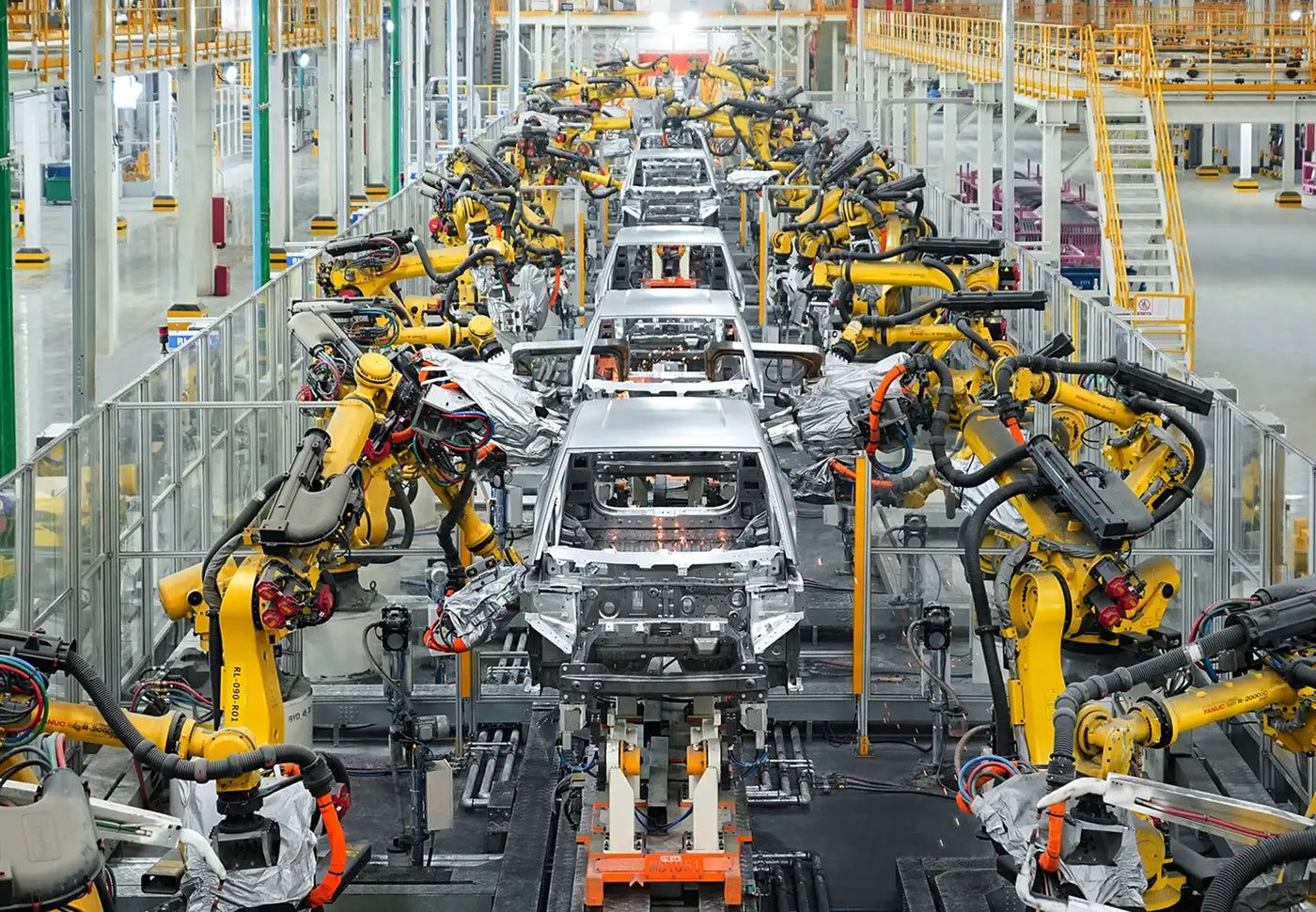
Artificial Intelligence is becoming an indispensable tool in supply chain management. By leveraging AI, businesses can predict demand more accurately, optimize inventory levels, and streamline logistics. Automation, from robotic process automation (RPA) to autonomous vehicles for transportation, enhances efficiency and reduces operational costs.
Blockchain Technology
Blockchain offers unmatched transparency and security in the supply chain. By implementing blockchain, automotive companies can trace the origin of parts, ensuring compliance and quality. This technology also facilitates better collaboration among suppliers, manufacturers, and retailers, which is vital for enhancing trust and reliability.
The Internet of Things (IoT)
IoT devices create a network of connected vehicles and components that allow for real-time data collection and analysis. By utilizing IoT, companies can monitor the condition and location of parts as they move through the supply chain. This connectivity leads to improved decision-making and reduced downtime.
Sustainability in Automotive Supply Chains
As climate change becomes an increasingly pressing issue, sustainability is a major focus within automotive supply chains. Consumers and regulators alike are pushing for greener practices.
Embracing Circular Economy Principles
Automakers and suppliers are exploring circular economy models to minimize waste. This involves reusing, refurbishing, and recycling materials rather than relying solely on new resources. By adopting such practices, companies not only reduce their carbon footprint but also can create cost savings over time.
Meeting Regulatory Requirements
With stricter regulations surrounding emissions and sustainability, automotive companies must adapt quickly to comply. This adaptation often requires transforming supply chains to focus on sustainable materials and efficient energy use. Meeting these requirements not only prevents legal repercussions but also aligns companies with the growing consumer demand for sustainable practices.
Enhancing Supply Chain Resilience
The COVID-19 pandemic revealed many vulnerabilities in global supply chains, prompting companies to seek more resilient strategies. Here are some approaches being adopted:
Diversification of Suppliers
Relying on a single source for materials can be risky. Automotive companies are diversifying their supplier networks to mitigate risks associated with geopolitical tensions, natural disasters, or other disruptions. By having multiple reliable suppliers, businesses can ensure continuity of production even during unforeseen circumstances.
Nearshoring vs. Offshoring
Many companies are reconsidering their offshore strategies, opting for nearshoring instead. This involves relocating production closer to end customers to enhance agility and reduce shipping times. Nearshoring also simplifies compliance with local regulations, thereby minimizing potential legal issues.
Consumer Trends Impacting Supply Chains
Consumer preferences are continually evolving, and automotive supply chains must adapt to meet these changing demands.
The Rise of Electric Vehicles
With a significant shift towards electric vehicles (EVs), supply chains must adjust to accommodate unique requirements such as sourcing lithium for batteries. This transition not only requires innovative engineering but also strategic partnerships to secure necessary materials.
Personalization and Customization
Today's consumers increasingly desire personalized experiences, and the automotive sector is no exception. Supply chains must be flexible enough to allow for customization in manufacturing processes. This may involve shorter production runs and more agile responses to customer preferences.
The Role of Digital Transformation
Digital transformation is sweeping across industries, and automotive supply chains are no exception. Embracing digital tools is essential for maintaining competitiveness.
Data Analytics and Business Intelligence
The use of data analytics allows businesses to make informed decisions based on real-time market insights. By analyzing patterns and trends, companies can optimize their supply chain operations for greater efficiency.
Supply Chain Visibility Tools
Investing in supply chain visibility tools enables companies to track components from production to delivery. This visibility improves accountability and facilitates quicker responses to issues that may arise, enhancing overall supply chain reliability.
Wrapping it Up: Navigating Towards a Bright Future
The future of automotive supply chains holds great promise, bolstered by advancements in technology, a drive towards sustainability, and the pressing need for resilience. Businesses that proactively adopt these changes will be better equipped to not only meet consumer demands but also navigate the complexities of an ever-evolving landscape. As we continue to explore this dynamic industry, the potential for innovating how we build and deliver vehicles is boundless. Stay tuned to witness the exciting transformations that lie ahead!