
Overview
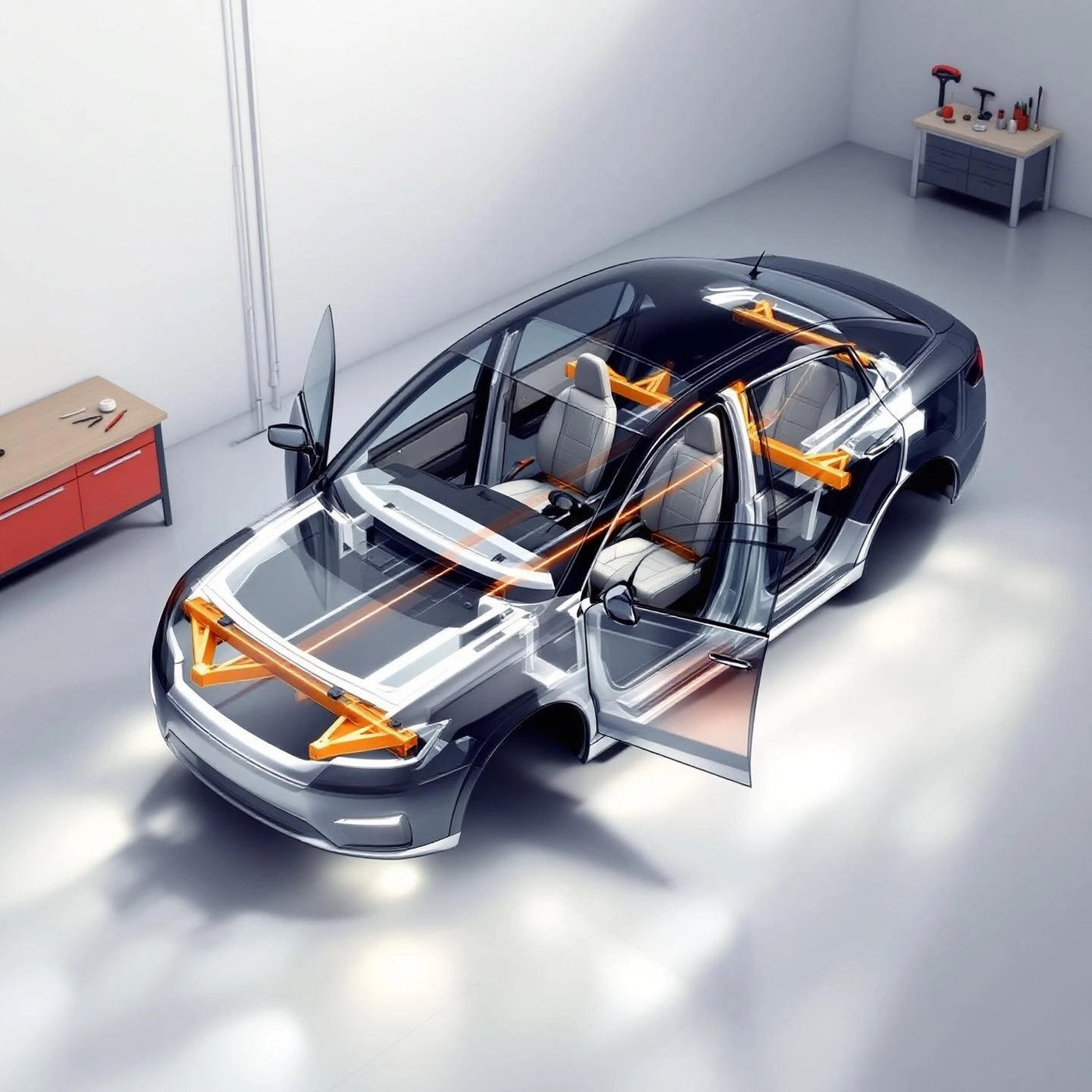
Car safety technology is rapidly advancing, significantly improving protection for drivers, passengers, and pedestrians. Key innovations include adaptive cruise control, automatic emergency braking, and lane keeping assist. Future developments like V2X communication, 5G connectivity, and AI-driven systems promise to further enhance safety. Collaboration among manufacturers, tech companies, and consumers is crucial for ongoing advancements. Staying informed and advocating for safety can help consumers prepare for these innovations.
Frequently Asked Questions
1. What recent advancements have been made in car safety technology?
2. How does car safety technology reduce fatalities?
3. What role does artificial intelligence play in vehicle safety?
4. What are upcoming technologies expected to revolutionize car safety?
5. How can consumers prepare for future car safety innovations?
Car safety technology has seen remarkable advancements in recent years, enhancing the overall protection of drivers, passengers, and pedestrians. As innovators continue to push the boundaries of what is possible, the future holds exciting prospects for further enhancing vehicle safety. From artificial intelligence to advanced materials, this article explores the latest innovations in car safety technology and what we can expect in the coming years.
Understanding the Importance of Car Safety Technology
In an age where vehicles are becoming increasingly complex, car safety technology plays a vital role in minimizing accidents and protecting lives. With advancements being made at a rapid pace, it’s crucial to understand the significance of these developments. Here are a few reasons why car safety technology is paramount:
- Reducing Fatalities: Enhanced safety features can drastically reduce the chances of fatalities in car accidents.
- Insurance Benefits: Vehicles equipped with the latest safety technology often enjoy lower insurance premiums.
- Increased Resale Value: Cars with modern safety features tend to retain their value better in the resale market.
- Peace of Mind: Knowing that your vehicle is equipped with state-of-the-art safety technology provides peace of mind on the road.
The Evolution of Car Safety Technology
The evolution of car safety technology can be traced through various milestones that have defined automotive history. Systems such as seatbelts and airbags, once seen as revolutionary, have given way to advancements in automation and smart technology. Here’s a brief overview of the key moments in safety technology:
Traditional Innovations
Initially, car safety revolved around passive solutions like seatbelts, crumple zones, and airbags. These features have significantly decreased injury rates in accidents.
Active Safety Features
The introduction of active safety features marked a paradigm shift. Technologies like anti-lock braking systems (ABS) and electronic stability control (ESC) emerged, helping drivers maintain control during critical situations.
Current Innovations in Car Safety Technology
As we look at the present landscape, several cutting-edge technologies are already redefining vehicle safety. Here are some key innovations that are making waves:
Adaptive Cruise Control
Adaptive cruise control utilizes radars and cameras to monitor traffic conditions, adjusting speed accordingly. This feature helps in preventing potential rear-end collisions and enhances overall driving comfort.
Automatic Emergency Braking
This vital safety feature helps prevent accidents by automatically applying the brakes if the vehicle detects an imminent collision. It has proven to be effective in reducing both low-speed and high-speed accidents.
Lane Keeping Assist
Lane keeping assist utilizes sensors to monitor lane markings, helping drivers stay in their lanes. In instances where the vehicle drifts, the system applies corrective steering as needed.
Upcoming Technologies and What to Expect Next
As exciting as current innovations are, the future looks even brighter. Here are some upcoming technologies that promise to revolutionize car safety:
Vehicle-to-Everything (V2X) Communication
V2X communication enables vehicles to communicate with each other, infrastructure, and pedestrians. This technology is anticipated to minimize accidents by improving situational awareness and informing drivers of hazards in real time.
5G Connectivity
The rollout of 5G technology will enhance real-time communication and data exchange between vehicles and external systems. This faster connectivity will play a pivotal role in developing autonomous driving capabilities.
Enhanced Driver Monitoring Systems
As driver fatigue is a major contributing factor to accidents, enhanced monitoring systems are being developed to check driver alertness. These systems may use facial recognition or eye-tracking technologies to identify if a driver is fatigued or distracted.
The Role of Artificial Intelligence in Vehicle Safety
Artificial Intelligence (AI) is poised to play a transformative role in car safety technology. The ways AI can enhance vehicle safety are diverse:
Predictive Analytics
By employing predictive analytics, AI systems can analyze driving patterns and historical data to predict potential hazards before they occur. This proactive approach can lead to the prevention of accidents before they happen.
Intelligent Collision Avoidance Systems
AI-driven collision avoidance systems are being developed to analyze real-time data and automatically make decisions to avoid collisions. These systems evaluate numerous factors, such as speed, distance, and possible obstacles in the vehicle's path.
Customized Safety Features
AI can also provide customized safety experiences for different drivers. For instance, teens behind the wheel may trigger heightened safety notifications, while experienced drivers enjoy a more relaxed driving experience.
The Importance of Collaboration in Advancing Safety Technology
The future of vehicle safety technology is not just reliant on individual manufacturers but also on collaboration across various sectors. Integration of automotive manufacturers with tech companies, governments, and safety regulatory agencies is crucial in advancing safety technology. Here are some ways this collaboration can flourish:
- Standardized Safety Protocols: Establishing common safety protocols can create uniformity in safety technology, allowing for easier integration and implementation.
- Research and Development Partnerships: Collaborating in R&D can lead to innovative breakthroughs, driving safety technology further and faster.
- Public Awareness Campaigns: Awareness of new safety features can enhance acceptance and drive their use among consumers.
How Consumers Can Prepare for Future Innovations
As innovations in car safety technology continue to emerge, consumers can take effective steps to prepare for these advancements:
Staying Informed
Regularly following automotive news can keep consumers up to date on the latest safety technologies. Understanding these features allows for better decision-making when purchasing a new vehicle.
Investing in Training
Participating in defensive driving courses can help drivers learn how to operate new safety technologies and improve their overall driving skills.
Advocating for Safety
Being vocal about safety needs and expectations can lead to positive changes within the automotive industry. Consumers have the power to influence manufacturers to prioritize safety technology in their designs.
The Road Ahead: Exciting Opportunities Await
As we explore the horizon, it’s clear that the future of car safety technology is filled with potential. With ongoing advancements, collaboration, and consumer engagement, we are on the verge of a safety revolution that promises to minimize injuries and save lives. By embracing these innovations and remaining informed, drivers can not only protect themselves but also contribute to a safer driving environment for everyone. The journey to enhancing automotive safety is far from over, and the next chapter is bound to be exhilarating!