Frequently Asked Questions
1. What are the key trends shaping the future of automotive design?
2. How will electric vehicles impact car design?
3. What role does technology play in future cars?
4. What is the significance of human-centric design in automotive innovation?
5. How is sustainability influencing automotive manufacturing?
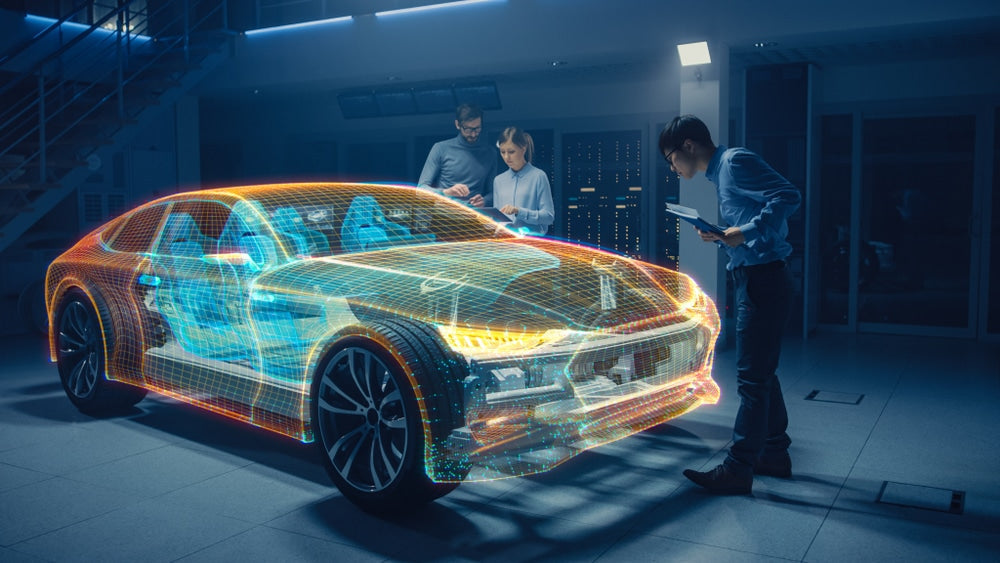
As we zoom into an era defined by rapid technological advancements, the automotive industry is racing to evolve. From the early days of horseless carriages to sleek electric vehicles, the journey of automotive design has been nothing short of fascinating. But what lies ahead? In this article, we will explore the innovative trends and digital transformations shaping the future of car design and what our roads could potentially look like in a decade.
The Rise of Electric Vehicles
The most significant shift in automotive design has been the electrification of vehicles. As governments and consumers alike demand cleaner energy solutions, electric vehicles (EVs) are becoming increasingly mainstream. But how will this shift impact the way cars are designed?
Streamlined Designs for Efficiency
One of the most noticeable changes in EV design will be the move toward more aerodynamic shapes. The internal combustion engine has traditionally dictated vehicle designs; however, the absence of a bulky engine compartment opens up new possibilities. Manufacturers will likely embrace curves and sleeker styles that reduce drag, ultimately improving energy efficiency.
Integration of Advanced Materials
In pursuit of lighter and more efficient vehicles, the automotive industry is adapting by using advanced materials such as carbon fiber and lightweight metals. Future cars will not only look more sophisticated but will also be engineered with a focus on reducing weight, enhancing performance, and increasing range. Sustainability will also play a key role as recyclability becomes a priority.
Smart Technology on Wheels
As technology integrates further into our daily lives, cars are adapting to become smarter. The upcoming generation of vehicles will harness artificial intelligence, big data, and internet connectivity to offer a completely automated experience.
Connected Vehicle Ecosystems
The vehicle of the future won't just be a mode of transport; it will be a critical node within a larger connected ecosystem. Imagine your car communicating with the infrastructure around you, coordinating with traffic signals for optimal speed and fuel efficiency. This connectivity can reduce congestion and improve safety on the roads.
AI and Autonomous Vehicles
When we think about the future of automotive design, we can't overlook autonomous vehicles. Self-driving cars rely heavily on artificial intelligence to interpret their surroundings and make decisions in real time. This will lead to a rethinking of interior spaces, with more emphasis on comfort and usability. Imagine cars with spacious, lounge-like interiors where passengers can work, relax, or even sleep during their journeys.
Human-Centric Design
As cars evolve, so too must our approach to their design. Future vehicles will need to cater to the diverse needs of all users. This means prioritizing accessibility and inclusivity in automotive design.
Inclusive Features
Designers will focus on creating vehicles that work for everyone, including those with disabilities. This may lead to features such as adjustable seating configurations, ramps, and advanced assistive technologies that make getting in and out of the car easier for all. The goal is to make mobility an inclusive experience rather than an exclusive one.
Personalization through Technology
The future of automotive design will also see an increased emphasis on personalization. Through advanced technological interfaces, drivers will be able to configure their vehicles to match their preferences. From customizable ambient lighting to a personalized driving experience that learns from user behavior, cars could soon become a true reflection of individual identities.
Augmented Reality and Enhanced User Interfaces
As we venture further into the 21st century, augmented reality (AR) will likely transform the way we interact with our vehicles. AR technology has the potential to change not only how we visualize our surroundings but also how we navigate and control our automotive experiences.
AR Dashboards and Displays
Future cars may come equipped with augmented reality dashboards that display vital information directly in the driver’s line of sight. This could include navigation prompts, speed, and information about nearby hazards or environment conditions, allowing for safer and more intuitive driving experiences.
Gesture and Voice Control
In addition to AR interfaces, gesture recognition and voice commands will likely become standard features in future automotive design. Imagine adjusting your music, activating navigation, or even communicating with your vehicle, all through simple hand movements or vocal commands. This kind of technology will create a seamless experience, allowing drivers to maintain focus on the road ahead.
Sustainability as a Core Principle
Looking towards the future, sustainability will become a fundamental aspect of automotive design. From the sourcing of materials to energy consumption, car manufacturers will need to reimagine their processes to align with environmentally friendly practices.
Recyclable Materials
The rise of eco-conscious consumers will encourage manufacturers to utilize recyclable materials in their vehicles. The trend towards using materials that mitigate environmental harm is likely to become a defining feature of automotive design, focusing not only on the present but also on the long-term impact on our planet.
Energy Efficient Production
Moreover, the manufacturing process itself is set to become greener. Companies will invest in renewable energy sources to power factories, as well as improve supply chain efficiency to reduce carbon footprints. Consumers will increasingly gravitate towards brands with robust sustainability practices, pushing the industry toward responsible design.
The Impact of Vehicle Sharing
With urbanization on the rise, concepts like shared mobility are influencing the future of car design. Imagine an influential push toward designs that cater to multiple users rather than individual car ownership.
Flexible Interiors
Cars designed for shared use will focus on versatile interiors that can quickly adapt to various passenger needs. This could include modular seating that can be reconfigured based on the number of passengers or removable elements that cater to personal belongings. Future designs will emphasize comfort and utility, ensuring that each ride is enjoyable.
Automated Fleet Management
With ride-sharing and car-sharing services gaining traction, automated fleet management will likely become a part of the automotive landscape. Cars could be designed to autonomously manage routes, charging schedules, and maintenance, which provides convenience and efficiency for both providers and users.
The Role of Artificial Intelligence in Safety
Safety has always been a critical aspect of automotive design, but advancements in AI will revolutionize how we approach vehicle safety in the coming years.
Predictive Safety Features
AI technology will enable vehicles to learn from past behavior and predict potential hazards on the road. This could mean the introduction of sophisticated systems capable of identifying dangerous driving conditions and implementing preventive measures before accidents occur.
Enhanced Collision Avoidance Systems
Furthermore, future vehicles will likely feature enhanced collision avoidance systems utilizing complex algorithms and sensor technologies. Cars will be equipped to communicate with one another, sharing data on speed and location, resulting in a collective awareness that improves overall safety on the road.
Beyond Traditional Ownership
The automotive industry will continue to shift from traditional ownership models to more flexible approaches. As new technologies and services emerge, the notion of "owning" a car will change dramatically. So what can we expect?
Subscription Models and Access Over Ownership
Think of subscription models as the way forward. Consumers will have access to vehicles without committing to ownership. Such a system will allow for greater flexibility, letting users choose different cars based on their needs and preferences. This could mean transitioning from one vehicle to another depending on whether one is going for a weekend trip or a city commute.
Shared Mobility and its Implications
With the rise of shared mobility services, vehicle design will take into consideration communal needs. The design will naturally evolve to accommodate multiple passengers and highlight convenience as a fundamental principle. This shift will result in an automotive landscape that prioritizes user experiences instead of focusing on individual ownership.
Final Thoughts on Tomorrow’s Automotive Innovation
The future of automotive design promises an exciting blend of technology, sustainability, and inclusivity. As we adapt to a rapidly changing world, the cars of tomorrow are set to reflect our evolving lifestyles and values. Embracing electric vehicles, smart technology, and user-centric designs, the automotive industry is steering toward a holistic approach to mobility.
As we approach the next decade, we can look forward to seeing not only what cars are, but also what they mean to society. The roads ahead may be paved with innovation, and we are only just beginning to scratch the surface of what is possible. Buckle up for an exhilarating ride where the driver's seat of the future may be far more expansive than we could envision today!
