
Overview
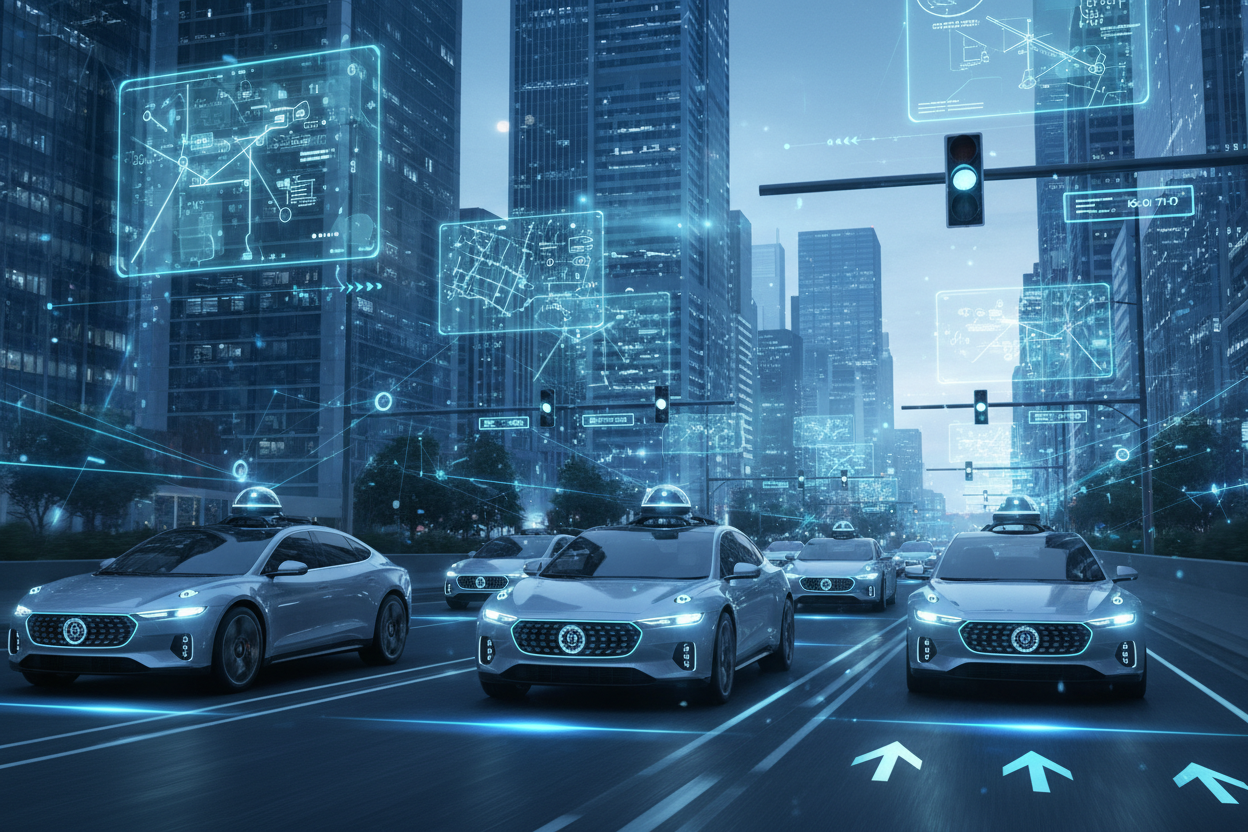
The blog explores the future of autonomous driving, detailing its levels of automation, current advancements, key industry players, and the benefits such as improved safety, reduced traffic congestion, and environmental impact. It also addresses challenges like regulatory hurdles and public perception. The future promises increased integration with smart cities, evolving mobility services, and job market transformations. Engaging with this technological revolution is essential for consumers and businesses alike.
Frequently Asked Questions
1. What is autonomous driving?
2. What are the levels of automation in autonomous vehicles?
3. What are the current advancements in autonomous driving as of 2023?
4. What are some potential benefits of autonomous vehicles?
5. What challenges does autonomous driving face?
The automotive world is rapidly evolving, bringing groundbreaking advancements to how we think about transportation. Among these advancements, autonomous driving stands at the forefront, promising to revolutionize our roads and lifestyles. As we venture into this exciting future, it's essential to grasp not just the technology involved, but the implications for the environment, safety, and our economy. In this blog, we will explore the future of autonomous driving, providing crucial insights on what you need to know.
Understanding Autonomous Driving
Autonomous driving refers to vehicles equipped with technology that allows them to navigate and operate without human intervention. This technology is segmented into various levels, from simple driver-assistance features to fully autonomous systems capable of handling all driving tasks.
The Levels of Automation
The Society of Automotive Engineers (SAE) has categorized the automation levels into six defined tiers:
- Level 0: No automation; the human driver is fully in control.
- Level 1: Driver assistance; the vehicle can assist with steering or acceleration.
- Level 2: Partial automation; the vehicle can control both steering and acceleration but requires driver supervision.
- Level 3: Conditional automation; the vehicle can handle all driving tasks in certain conditions, but the driver must take over when needed.
- Level 4: High automation; the vehicle can operate in specific scenarios without human intervention.
- Level 5: Full automation; no driver required, and the vehicle can operate in all environments.
Current State of Autonomous Driving
As of 2023, we are witnessing significant advancements in Level 2 and Level 3 automation. Major automotive manufacturers and tech companies are investing heavily in research and development, leading to increasingly sophisticated systems that enhance vehicle safety and usability. Features like adaptive cruise control, lane-keeping assistance, and traffic jam assist are making roads safer while laying down the groundwork for fully autonomous vehicles.
Key Players in the Industry
The race for autonomous driving technology involves several major players:
- Tesla: Known for its advanced driver-assistance systems and ambitious goal of achieving full autonomy.
- Waymo: A subsidiary of Alphabet Inc., leading the way in Level 4 autonomous ridesharing services.
- Ford, GM, and BMW: Traditional automotive giants are considerably investing and modernizing their fleets to incorporate AI-driven technologies.
- Mobileye: A global leader in chip technology for autonomous vehicles, focusing on AI-powered autonomous driving solutions.
- Other start-ups: Numerous startups are quickly advancing the capabilities of autonomous driving with innovative ideas and solutions.
The Benefits of Autonomous Vehicles
The potential benefits of autonomous driving are immense, influencing various facets of our lives. Let’s take a closer look at how these vehicles can enhance our world.
Safety Improvements
One of the primary objectives of autonomous driving technology is to reduce accidents caused by human error. According to the National Highway Traffic Safety Administration (NHTSA), over 90% of accidents are attributed to human mistakes. By eliminating the human factor, autonomous vehicles can potentially decrease the rate of collisions significantly, leading to safer roads.
Reduced Traffic Congestion
Autonomous vehicles are designed to communicate with each other and optimize driving patterns. This vehicle-to-vehicle communication can improve traffic flow and lessen congestion, as cars can maintain optimal distances and speeds without unnecessary stopping and starting.
Environmental Impact
By enabling smoother traffic movement and promoting more efficient driving habits, autonomous vehicles also stand to reduce fuel consumption and lower carbon emissions. Furthermore, with the rise of electric autonomous vehicles, we could witness a dramatic shift towards more sustainable transportation methods.
Challenges Ahead
Despite the excitement surrounding autonomous driving, there are significant hurdles to overcome. These challenges span regulatory, technological, and societal facets.
Regulatory Hurdles
As autonomous vehicles become more prevalent, governments must establish comprehensive regulations to ensure public safety and road regulations are maintained. This includes addressing liability in accidents involving autonomous vehicles and setting safety standards for testing and implementation.
Public Perception and Acceptance
The widespread acceptance of autonomous driving also faces public skepticism. Many consumers have lingering concerns regarding the safety and reliability of these technologies. Manufacturers must prioritize transparency and education to build trust amongst potential users.
Technology Limitations
Despite rapid advancements, the technology behind autonomous driving isn’t infallible. Autonomous systems can struggle in adverse weather conditions or complex urban environments. Continued research and testing are essential to enhance their performance in these situations.
The Future Landscape: What to Expect
As we look ahead, the future of autonomous driving is poised for substantial change. Here’s what you can expect to see:
Increased Integration with Smart Cities
Urban areas are rapidly adopting smart technologies aimed at enhancing overall city infrastructure. The integration of autonomous vehicles into smart city frameworks can lead to improved road safety, reduced congestion, and enhanced public transportation options. Expect collaborations between city planners, tech companies, and automotive manufacturers to embed autonomous vehicles into daily life.
Evolution of Mobility Services
As technology matures, new mobility services will emerge. Ride-hailing services powered by autonomous vehicles will become more accessible, affordable, and efficient. This shift could drastically reduce the need for private car ownership, changing urban landscapes.
Job Market Transformations
The autonomous driving sector will also influence job markets significantly. While some traditional driving jobs may vanish, new opportunities will emerge in technology, maintenance, and support roles as staffing and infrastructure requirements evolve.
Taking Part in the Autonomous Revolution
As consumers and business owners, engaging with this technological revolution is vital. Here are a few ways you can get involved:
- Stay Informed: Keep up with the latest news and advancements in autonomous driving. Understanding this technology will equip you to make informed decisions.
- Communicate with Industry Leaders: Attend conferences, join forums, and connect with professionals in the field to grasp future directions and share insights.
- Advocate for Change: Support policies that foster safe and responsible development of autonomous vehicles by voicing your opinions to local authorities.
Embracing the Change Ahead
The future of autonomous driving is not just a technological transformation; it is a societal shift that will redefine how we approach transportation. As advancements continue and the industry evolves, it will create both challenges and opportunities. By understanding the implications of autonomous driving and staying engaged with its development, you can be part of this revolutionary change. Embrace the future of commuting, and be ready for a smarter, safer, and more efficient way to traverse our roads.