
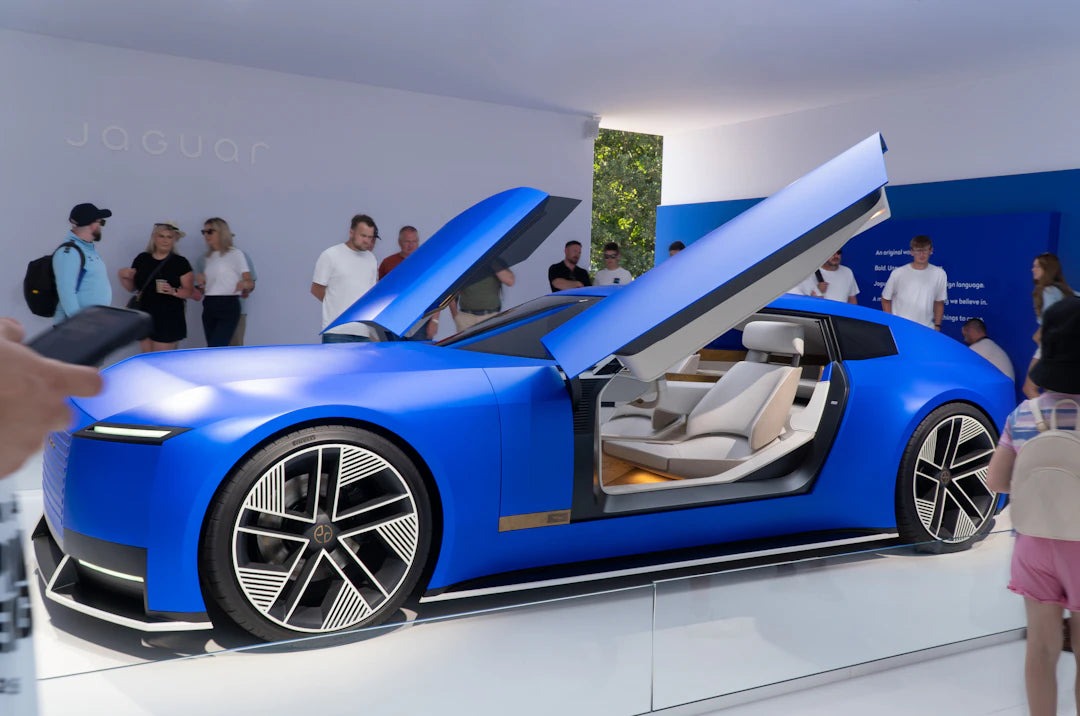
Overview
Car design is rapidly evolving with a focus on sustainability, technological integration, and aesthetic simplicity. Key trends include the use of eco-friendly materials, advancements in autonomous driving and smart infotainment systems, minimalist aesthetics, and increased customization options. The rise of connected cars enhances user interaction and safety, while 3D printing and AI are revolutionizing manufacturing and design processes. The future promises innovative, efficient, and user-friendly vehicles that reflect cultural diversity and meet modern consumer demands.
Frequently Asked Questions
1. What are the key trends in car design?
2. How is sustainability influencing car design?
3. What role does technology play in modern car design?
4. What impact does 3D printing have on the automotive industry?
5. How does AI contribute to car design?
In the world of automotive innovation, car design is evolving faster than ever. Each year, trends emerge that reshape our understanding of aesthetics, functionality, and sustainability in vehicles. From cutting-edge materials to advanced technological integration, the future of car design is poised to bring exciting changes that will transform our roads. In this article, we will explore some of the most significant trends to watch in the coming years.
The Shift Towards Sustainable Design
One of the most noteworthy trends in car design is the growing emphasis on sustainability. As environmental concerns become more pressing, car manufacturers are rethinking their approaches to vehicle design. This shift involves:
- Eco-Friendly Materials: Automakers are increasingly using recycled and sustainable materials, ensuring that the production process has a lower carbon footprint.
- Lightweight Structures: Ultralight materials such as carbon fiber and aluminum are being favored to improve fuel efficiency and reduce emissions.
- Electric Vehicles (EVs): The rise of EVs has significantly influenced car design, with manufacturers focusing on aerodynamic shapes that enhance range and minimize drag.
Technological Integration in Car Design
The integration of advanced technology is redefining the car design landscape. From autonomous driving capabilities to smart infotainment systems, technology is becoming a crucial aspect of modern vehicles. Key trends include:
Autonomous Driving Features
As self-driving technology advances, car design must adapt to accommodate new interfaces and safety features. This includes:
- Interior Reconfigurations: The interiors of future vehicles may offer flexible seating arrangements, allowing for conversation spaces or workstations when the vehicle is in autonomous mode.
- Enhanced Safety Systems: Cars will be designed with advanced sensors and cameras to support autonomous navigation, requiring a rethink in how external and internal components are laid out.
Smart Infotainment Systems
Today's car buyers expect seamless connectivity with their devices. The design of dashboards and controls is evolving to enhance user experience:
- Touchscreen Interfaces: Large, intuitive displays are becoming the norm, providing access to infotainment, navigation, and vehicle controls in a user-friendly manner.
- Voice-Activated Controls: Smart systems utilizing voice recognition technology are being integrated into car design, allowing drivers to operate functions without distracting from the road.
The Aesthetic Evolution of Car Design
As technology influences functionality, it also plays a role in reshaping the aesthetics of car design. Key developments to note include:
Simplified, Sleek Lines
The trend towards minimalism is evident in car design, with manufacturers opting for smooth, flowing lines instead of complicated shapes. This evolution results in:
- Better Aerodynamics: Sleek designs improve airflow, which is essential for both combustion vehicles and EVs aiming for efficiency.
- Timeless Appeal: Minimalist aesthetics often translate into designs that remain attractive for longer, capturing the spirit of modernity without rapidly becoming outdated.
Customization and Personalization
As consumer preferences diversify, car manufacturers are recognizing the need for customization. This trend includes:
- Exterior Personalization: Options for unique paint finishes, wraps, and body kits allow customers to express their individuality.
- Interior Configurations: Adjustable cabin layouts and customizable lighting are becoming standard features, appealing to a broader audience.
The Rise of Connected Car Design
Connectivity is set to redefine how vehicles interact with users and infrastructure. As technology advances, car design will focus on:
Vehicle-to-Everything (V2X) Communication
Cars are increasingly being designed to communicate with other vehicles and infrastructure, creating an ecosystem aimed at improving safety and convenience. This involves:
- Real-Time Traffic Updates: Enhanced navigation systems provide drivers with live road data, synchronizing with traffic signals to alleviate congestion.
- Smart Parking Solutions: Vehicles equipped with sensors can automatically identify available parking spots, further simplifying the driving experience.
Enhanced Cybersecurity Measures
As cars become more connected, they also require robust security protocols to protect against cyber threats. Designs are adapting to include:
- Built-In Security Features: Increased focus is being placed on securing vehicle networks to safeguard personal and driving data.
- Regular Software Updates: Just like smartphones, cars will increasingly require software updates to enhance security and functionality.
The Impact of 3D Printing in Car Design
3D printing technology is making significant strides in the automotive industry, offering new possibilities for design and manufacturing. Key influences include:
Rapid Prototyping
Designers can use 3D printing to quickly create prototypes, facilitating testing and iteration. This practice enhances:
- Speed to Market: The ability to rapidly prototype allows manufacturers to bring innovative designs to market faster.
- Customization: 3D printing allows for bespoke parts tailored to individual customer preferences, enhancing personalization.
Lightweight Components
3D printing enables the creation of intricate designs that are both lightweight and strong. This leads to:
- Improved Fuel Efficiency: Lighter components contribute to better fuel consumption and reduced emissions.
- Creative Freedom: Designers can push the boundaries of traditional manufacturing limitations, leading to more innovative vehicles.
Exploring the Role of AI in Car Design
Artificial intelligence is becoming increasingly integral to the design process, offering new methods to enhance creativity and efficiency:
Data-Driven Design
AI can analyze vast amounts of data to identify consumer preferences and predict future trends. This capability allows designers to:
- Create More Relevant Designs: By understanding market demands, manufacturers can tailor their designs to meet consumer expectations.
- Optimize Performance: AI can assist in refining the design for aerodynamics and efficiency by simulating different configurations during the design process.
Enhanced Safety Features
AI technologies contribute to safety by integrating advanced driver-assistance systems (ADAS) into the design. These include:
- Emergency Braking: AI can recognize imminent collisions and initiate braking before a driver reacts.
- Adaptive Cruise Control: Vehicles equipped with AI can adjust their speed based on surrounding traffic conditions, enhancing safety on the road.
The Cultural Influence on Car Design
As society evolves, so too does car design, reflecting cultural trends and shifts. Noteworthy influences include:
Increased Diversity in Design
The automotive industry is slowly recognizing the importance of diverse perspectives in car design, leading to:
- Inclusive Features: Vehicle designs increasingly consider the needs of various user groups, including those with disabilities.
- Global Styles: With the world becoming more connected, car designs are blending influences from different cultures, creating unique aesthetics.
Enhanced User Experience
Car designs are focusing on user experience, prioritizing comfort and accessibility. Trends include:
- Intuitive Ergonomics: Interior layouts are becoming more user-friendly, featuring controls that are easily accessible for all passengers.
- Increased Comfort: As technology enables smoother rides, designs will increasingly prioritize comfort features, such as adjustable seating and climate control.
Glimpses into the Future: What Lies Ahead
The future of car design is full of promise, with innovations emerging that will continue to reshape the automotive landscape. Trends in sustainability, technology, and aesthetics will converge to create vehicles that are not only functional but also cater to the desires of modern consumers. With the rise of connected cars, autonomous capabilities, and smart manufacturing techniques, the automotive industry is on the brink of a transformation that will impact how we drive and think about vehicles.
We stand at the threshold of a new era in car design, where creativity meets cutting-edge technology. The road ahead is paved with opportunity, pushing the boundaries of what we once considered possible. As we embrace these exciting developments, it is essential for manufacturers and consumers alike to stay informed and involved in the evolution of automotive design. The next generation of vehicles promises a fascinating blend of aesthetics, functionality, and sustainability, ensuring that the future of car design will not only meet our needs but inspire us to dream bigger.