
Frequently Asked Questions
1. What impact is telematics having on car insurance?
2. How are electric vehicles influencing insurance coverage needs?
3. What challenges do autonomous vehicles pose for the insurance industry?
4. How does blockchain technology benefit car insurance?
5. Why is consumer education important in the future of car insurance?
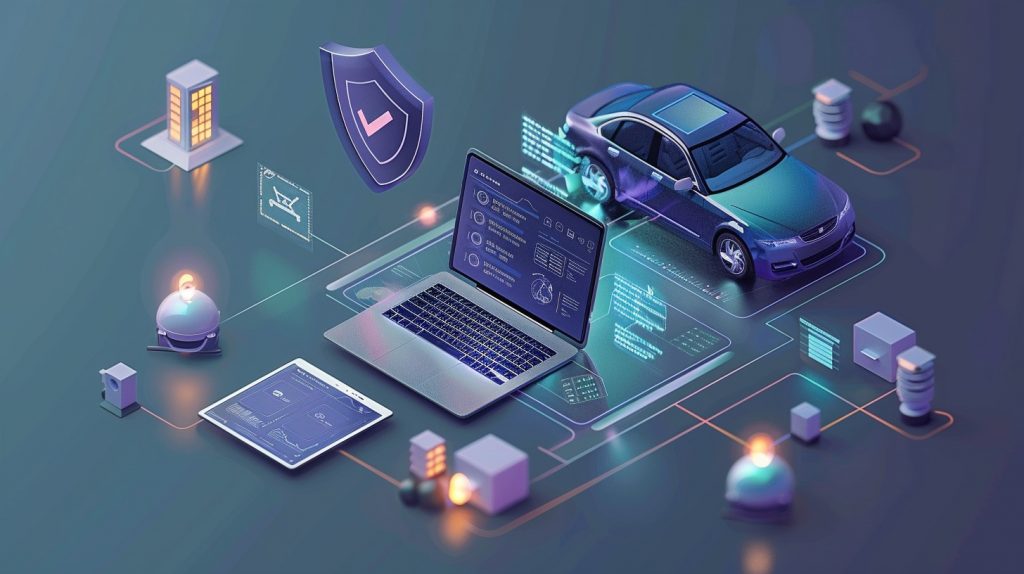
The world of car insurance is undergoing a significant transformation driven by advancements in technology. As the auto industry evolves with innovations like electric vehicles, telematics, and autonomous driving systems, the car insurance sector needs to keep pace. In this blog, we will explore the future of car insurance, how these new technologies are reshaping insurance dynamics, and what consumers can expect in the coming years. Buckle up, as we navigate through the exciting future of car insurance!
Emergence of Telematics: Transforming Risk Assessment
Telematics is revolutionizing how insurance companies assess risk and determine premiums. By utilizing devices that monitor driving habits, insurers gain real-time data about a driver's behavior. This includes speed, braking patterns, and overall driving style. As a result, insurers can create more tailored policies that reflect individual risk levels.
The Benefits of Telematics for Consumers
- Personalized Premiums: With telematics, drivers who exhibit safe driving behaviors can enjoy lower premiums, making insurance more affordable.
- Increased Safety Awareness: Real-time feedback can help drivers identify risky behaviors and encourage them to improve their driving habits.
- Claims Simplification: Data collected from telematics devices can expedite the claims process by providing evidence during accidents.
Electric Vehicles and Changes in Coverage Needs
The rise of electric vehicles (EVs) is also influencing the future of car insurance. As more consumers make the switch to EVs, insurers will need to adapt their offerings to accommodate these vehicles' unique characteristics, such as specialized coverage for battery-related damages.
Understanding the Unique Insurance Needs of EVs
- Battery Coverage: As the cost of EV batteries can be substantial, comprehensive coverage will need to address battery damage and replacement costs.
- Charging Station Theft: With EVs comes the prevalence of home charging stations, which may require added protection against theft.
- Increased Repairs and Maintenance: Insurers may need to consider the cost of repairs for EVs, which can differ greatly from traditional vehicles.
Autonomous Vehicles: A Game Changer for Insurance
One of the most significant advancements in the automotive industry is the rise of autonomous vehicles (AVs). The emergence of self-driving technology presents new challenges and opportunities for the car insurance industry. As AVs become more mainstream, traditional insurance models will require radical changes.
Shifting Liability and Coverage Models
With AVs steering the vehicle, the question of liability shifts. If a self-driving car is involved in an accident, who is responsible? Is it the manufacturer, the software developer, or the vehicle owner? Insurance companies will need to rethink coverage models to address these questions.
- Manufacturer Liability: Some companies may be liable for damages caused by their autonomous technology, prompting the creation of new insurance products.
- Usage-Based Insurance: Traditional mileage-based models might be replaced by a system where premiums reflect the level of autonomy being used.
- Insurance for Mixed Fleet: For many years, human-driven and autonomous vehicles will share the road, necessitating hybrid insurance solutions.
Blockchain: Ensuring Transparency and Security
Blockchain technology is gaining traction in various industries, and car insurance is no exception. By using blockchain, insurance companies can create decentralized and transparent systems that improve claims processing and reduce fraud.
The Advantages of Blockchain in Insurance
- Data Transparency: All parties involved in the insurance process can access the same data, which reduces disputes and enhances trust.
- Fraud Prevention: Blockchain's immutable nature makes it challenging for fraudulent claims to be processed, safeguarding insurers and consumers alike.
- Streamlined Claims: Smart contracts can automate the claims process, ensuring faster payments and improved customer satisfaction.
Artificial Intelligence: Elevating Customer Experience
Artificial intelligence (AI) is a pivotal element in the evolution of car insurance. With AI-driven tools, insurers can personalize customer experiences, streamline operations, and enhance decision-making processes.
How AI is Shaping the Future of Car Insurance
- Enhanced Customer Service: AI chatbots can assist customers 24/7, answering inquiries and providing support without human intervention.
- Claims Management: AI-driven analytics can expedite the claims process by quickly analyzing data and determining claim validity.
- Predictive Analytics: By examining driving trends and behaviors, AI can help insurers predict and mitigate risks more effectively.
The Role of Consumer Education in the Changing Landscape
As technology progresses, consumer education will play a crucial role in shaping the future of car insurance. Insurers should invest in educating customers on new technologies, their benefits, and how they impact coverage.
Empowering Consumers with Knowledge
- Understanding Policies: Clear communication regarding policy terms and the impact of technology on coverage will empower consumers to make informed decisions.
- Encouraging Safe Driving: Insurers can use educational campaigns to promote safe driving habits, leading to better premiums for consumers.
- Increasing Awareness of New Technologies: By educating consumers about the benefits of emerging technologies, insurers can foster acceptance and adoption.
Sustainability: The Intersection of Insurance and Environmental Responsibility
With the rising concern for the environment, sustainability is becoming an important aspect for both consumers and insurers. The insurance sector must adapt to this growing trend by offering eco-friendly coverage options.
Eco-Friendly Insurance Solutions
- Incentives for Eco-Conscious Drivers: Insurers may provide discounts or benefits to drivers of electric or hybrid vehicles, promoting environmental responsibility.
- Coverage for Green Technology: Policies could be tailored to cover vehicles and technologies that contribute to reducing carbon footprints.
- Climate Change Considerations: Insurers will need to account for emerging risks associated with climate change, influencing policy adjustments.
The Importance of Customization in Insurance Products
The future of car insurance points toward a more personalized approach. Every driver's needs differ, and insurance offerings should reflect that variation. Customization will play a pivotal role in ensuring adequate coverage.
The Future of Personalized Insurance Plans
- Flexible Coverage Options: Insurers may offer modular policies, allowing consumers to select only the coverages they need.
- On-Demand Insurance: With the rise of ride-sharing and car-sharing services, consumers can benefit from insurance that can be activated as needed.
- Tailored Communication: Insurers can use data analytics to deliver personalized communications based on individual preferences and profiles.
Preparing for a New Era of Car Insurance
As we look into the future of car insurance, it is clear that adaptation is key. The industry must embrace new technologies to provide better customer experiences and more accurate coverage options. Embracing change will allow insurers to remain competitive in a rapidly evolving landscape. With a focus on personalization, transparency, and environmental responsibility, the next generation of car insurance promises to be smarter and more efficient than ever before.
Future-Ready Insurance: Your Road Ahead Awaits
As a consumer, you have the power to influence the direction of the insurance industry. By being proactive, staying informed, and choosing insurance providers that value innovation and customization, you can better navigate the changes that lie ahead. The future of car insurance holds exciting possibilities that will ultimately benefit both consumers and insurers. Embrace the journey into this new era!