
Overview
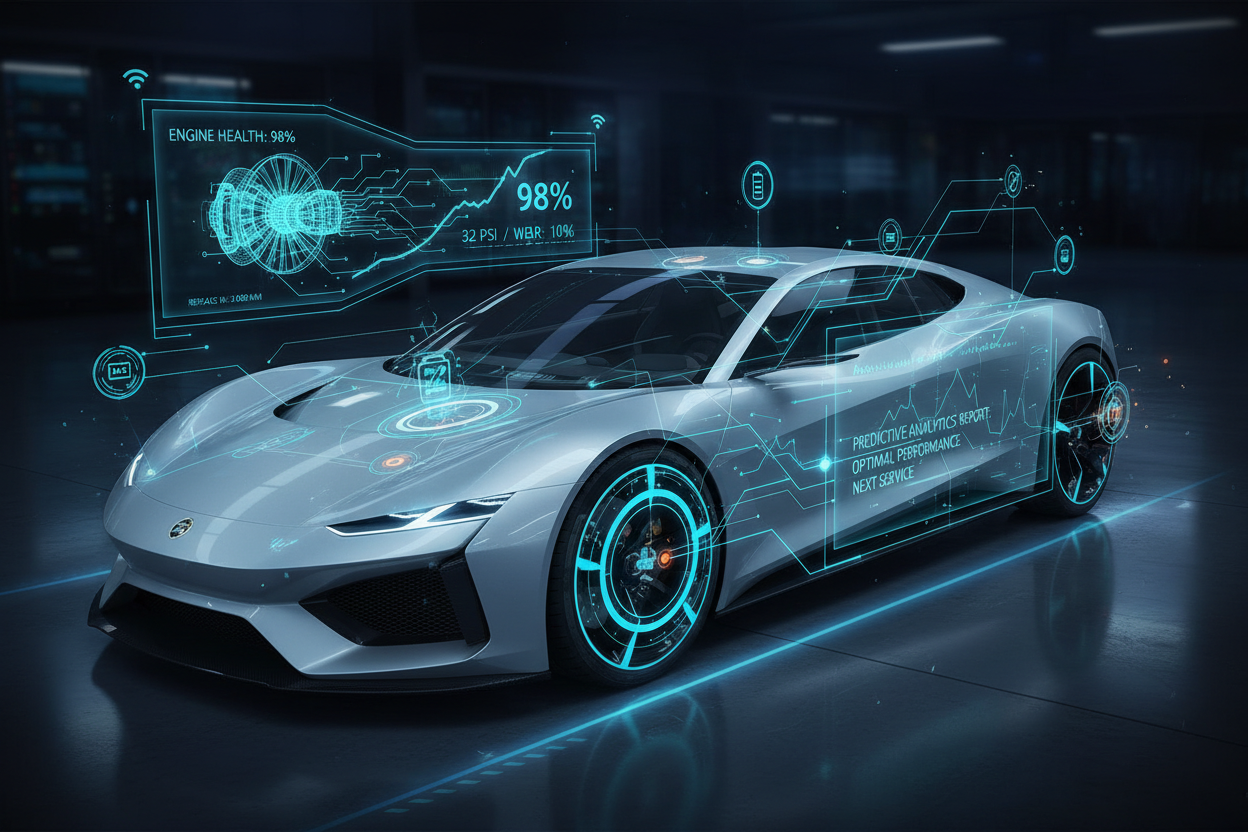
The automotive industry is evolving with predictive analytics and IoT, revolutionizing vehicle maintenance through real-time data collection and analysis. These technologies enhance safety, reliability, and cost efficiency by anticipating mechanical issues and enabling tailored maintenance plans. Future trends include personalized maintenance plans and mobile app integration, though challenges like data security and implementation costs remain. Embracing these advancements promises a smarter, more efficient car maintenance experience.
Frequently Asked Questions
1. What is predictive maintenance in car maintenance?
2. How does IoT contribute to car maintenance?
3. What are the benefits of predictive analytics in vehicle maintenance?
4. What challenges are associated with implementing predictive analytics and IoT in car maintenance?
5. How will maintenance plans for car owners evolve with technology?
The automotive industry is on the brink of a transformative era, where innovation in technology and data analytics intersect to revolutionize the way we maintain our vehicles. From sensors collecting real-time data to artificial intelligence predicting maintenance needs, predictive analytics and the Internet of Things (IoT) are set to reshape the future of car maintenance. In this article, we’ll explore how these advancements can not only ensure a safer driving experience but also enhance vehicle lifespan and performance.
The Role of Predictive Analytics in Car Maintenance
Predictive analytics uses historical data, machine learning, and statistical algorithms to forecast future outcomes. In the context of car maintenance, this means being able to anticipate mechanical issues before they become serious problems. Here’s how it works and why it matters:
Understanding Predictive Maintenance
Predictive maintenance aims to determine the condition of in-service equipment to predict when maintenance should be performed. This approach allows for scheduling maintenance at the right time, preventing unexpected breakdowns and minimizing downtime. Here are some key benefits:
- Increased Reliability: By identifying potential failures early, predictive maintenance helps ensure that vehicles remain roadworthy.
- Cost Efficiency: Addressing issues before they escalate can save money on repairs and extend the life of the vehicle.
- Enhanced Safety: Maintaining vehicles through predictive analytics can help prevent accidents caused by mechanical failures.
Data Collection and Analysis
Modern vehicles are outfitted with an array of sensors that collect data on everything from engine performance to tire pressure. This data is transmitted to cloud-based systems where it is analyzed using predictive algorithms. Some vital data points include:
- Engine temperature and performance
- Oil and fluid levels
- Brake wear and tear
- Tire condition
This data becomes the foundation of predictive maintenance strategies, allowing for tailored recommendations to vehicle owners.
The Role of IoT in Car Maintenance
The Internet of Things (IoT) consists of network-connected devices that communicate with each other. In the automotive sector, IoT plays a crucial role in facilitating real-time monitoring and maintenance. Here’s how IoT enhances car maintenance:
Real-Time Monitoring
IoT devices installed in vehicles can provide real-time analytics, allowing fleet managers and individual vehicle owners to monitor performance indicators continuously. This capability includes:
- Remote Diagnostics: Vehicle issues can be diagnosed remotely, minimizing the need for trips to the mechanic.
- Alerts: Instant notifications about potential mechanical issues enable timely interventions.
Data-Driven Decisions
IoT technologies support data-driven decision-making. Vehicle owners can access reports and dashboards that provide insights into the health of their car and recommend actions accordingly. This transparency fosters greater trust and reliance on technology.
Enhancing Maintenance Strategies
When predictive analytics and IoT are combined, they lead to the development of sophisticated maintenance strategies that go beyond routine checks. Here are some innovative approaches:
Condition-Based Maintenance
Condition-based maintenance relies on data gathered from sensors to determine the specific condition of various components. For instance, if tire pressure is dipping below a certain threshold, the system can notify the owner to take action before the tires suffer damage. This proactive approach contrasts with traditional maintenance schedules that may lead to unnecessary service.
Fleet Management Solutions
Businesses that operate fleets can greatly benefit from predictive analytics and IoT. These systems optimize routes, manage fuel consumption, and predict service needs based on real driving conditions. By integrating these technologies, companies can:
- Reduce operational costs
- Improve vehicle uptime
- Enhance fleet performance and employee satisfaction
Future Implications for Car Owners
As technology continues to advance, car owners will see significant changes in how they interact with their vehicles and approach maintenance. Here are some anticipated trends:
Personalized Maintenance Plans
With advanced data analytics, maintenance plans can be highly personalized. Based on driving habits, the terrain usually driven on, and the vehicle's specific needs, owners will receive tailored recommendations eventually enhancing vehicle performance and safety.
Integration with Mobile Apps
Mobile applications will become central to vehicle maintenance. Owners will be able to monitor their vehicle's health, receive maintenance alerts, and even schedule service appointments directly from their smartphones. This ease of access will lead to improved user engagement and awareness regarding vehicle upkeep.
Challenges and Considerations
While the benefits of predictive analytics and IoT in car maintenance are significant, the transition comes with its set of challenges. Here are some considerations to keep in mind:
Data Privacy and Security
The integration of IoT devices introduces concerns regarding data security and privacy. Implementing robust encryption and security measures will be critical in protecting sensitive vehicle data from cyber threats.
Cost of Implementation
Although the long-term savings from predictive maintenance can be substantial, the initial investment in technology, sensors, and software can be a hurdle for some businesses and individual owners. Balancing these costs with potential savings will be an essential consideration.
An Evolving Automotive Landscape
The future of car maintenance is bright and filled with possibilities thanks to predictive analytics and IoT technology. As these advancements continue to evolve, both vehicle manufacturers and service providers will play crucial roles in implementing these technologies effectively. By embracing this intelligent approach to car maintenance, we not only enhance vehicle performance but also contribute to a more sustainable future in the automotive industry.
In a world where data is driving decisions, car maintenance will become smarter, more efficient, and ultimately, a far more positive experience for all vehicle owners. Embrace the change, and let your vehicle's journey ahead be powered by the promises of technology!