
Overview
The automotive industry is transitioning towards sustainability and innovation, focusing on eco-friendly practices, electric vehicles (EVs), and advanced manufacturing processes. Key trends include the rise of EVs driven by government incentives, technological advancements, and consumer demand for transparency and connected vehicles. The shift emphasizes a circular economy, workforce development, and global sustainability efforts, positioning manufacturers to adapt and thrive in an environmentally responsible future.
Frequently Asked Questions
1. What is sustainability in car manufacturing?
2. How are electric vehicles (EVs) influencing car manufacturing?
3. What innovative manufacturing processes are being used in the automotive industry?
4. What role does the circular economy play in car manufacturing?
5. Why is workforce skills development important in the automotive industry?
The automotive industry is undergoing a massive transformation as it shifts toward more sustainable practices and innovative technologies. This transition is not simply a trend; it reflects a significant change in how manufacturers approach car production, reflecting a deeper commitment to sustainability. In this blog post, we will explore the future of car manufacturing, focusing on sustainability and innovation as key drivers in the automotive sector.
Understanding Sustainability in Car Manufacturing
Sustainability in car manufacturing refers to the adoption of practices that minimize environmental impact while maximizing efficiency and social responsibility. This concept encompasses various areas, including material selection, energy use, and manufacturing processes. Here are some key elements of sustainability in the industry:
- Material Usage: The shift toward lighter and recycled materials helps reduce waste and improve fuel efficiency.
- Energy Efficiency: Manufacturing processes are increasingly powered by renewable energy sources like solar and wind.
- Waste Reduction: Implementing closed-loop manufacturing systems to minimize waste and enhance recycling efforts.
- Eco-Friendly Components: The use of biodegradable materials is on the rise, contributing to a lesser environmental impact.
The Rise of Electric Vehicles (EVs)
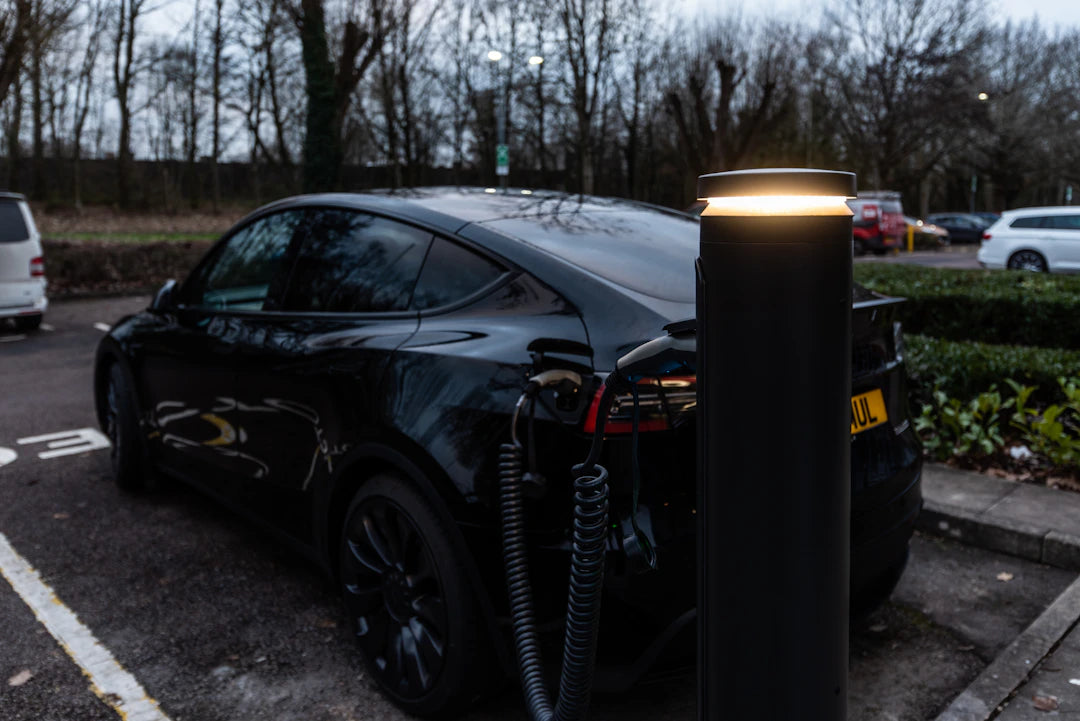
One of the most significant innovations influencing the future of car manufacturing is the rise of electric vehicles (EVs). As governments worldwide push for lower emissions, EVs have organically gained popularity. According to industry research, EV sales are expected to surge dramatically in the coming years. Key factors driving this trend include:
Government Incentives
Many governments are implementing incentives to promote EV adoption. This includes tax rebates, subsidies, and infrastructure development like charging stations. As consumers benefit from these incentives, the demand for EVs is expected to continue to rise.
Technological Advancements
Rapid advancements in battery technology have made EVs more accessible and practical for consumers. Improved battery life, faster charging times, and greater range are continually enhancing the appeal of electric vehicles.
Environmental Concerns
Growing awareness of climate change and air pollution is prompting consumers to consider more sustainable transportation options. EVs offer a cleaner alternative, pushing manufacturers to invest heavily in electric line-ups.
Innovative Manufacturing Processes
The future of car manufacturing not only lies in the vehicles themselves but also in how they are produced. Innovations in manufacturing processes are critical to achieving sustainability goals. Some of these innovations include:
3D Printing
3D printing technology is revolutionizing car manufacturing by allowing for more efficient production processes. It reduces material waste and allows manufacturers to create complex designs that traditional methods cannot achieve. Further, on-demand production minimizes inventory costs, streamlining the process from design to market.
Smart Manufacturing and Industry 4.0
The next industrial revolution, often referred to as Industry 4.0, leverages data analytics, IoT (Internet of Things), and automation to optimize manufacturing processes. By implementing smart manufacturing techniques, companies can track resource usage more efficiently, reduce waste, and enhance product quality.
The Role of Circular Economy
The concept of a circular economy is gaining traction in the car manufacturing world, emphasizing the importance of reusing and recycling materials to create a closed-loop system. This alternative approach can significantly reduce the environmental impact of manufacturing processes. Here’s how a circular economy can reshape the automotive sector:
Recycling Initiatives
Car manufacturers are increasingly investing in recycling initiatives that reclaim materials from end-of-life vehicles. Metals like aluminum and steel, as well as plastics, can be used in new car production, reducing the demand for virgin materials.
Redesigning Products for Longevity
Companies are beginning to rethink product design by creating cars that are easier to repair and upgrade. This not only extends the lifespan of the vehicle but also contributes to reduced waste. Moreover, offering longer warranties and encouraging maintenance can foster a culture of longevity.
Collaborations and Partnerships
Innovation and sustainability can be strengthened through collaborations and partnerships within the automotive industry. Key stakeholders—including manufacturers, suppliers, and technology firms—are increasingly forming alliances to share knowledge, resources, and best practices. Here are a few examples:
- Joint Ventures for EV Development: Manufacturers are partnering with battery suppliers to accelerate EV production and enhance battery performance.
- Research Collaborations: Universities and research institutions are collaborating with manufacturers to explore new materials and processes.
- Supply Chain Partnerships: Developing strong relationships with suppliers focused on sustainable practices helps ensure that the entire supply chain aligns with sustainability goals.
Consumer Preferences and Trends
Consumer preferences are evolving in tandem with innovations in car manufacturing. Today’s consumers are more environmentally conscious and demand more sustainable vehicle options. Here are a few notable trends impacting preferences:
Demand for Transparency
Modern consumers want to know the environmental impact of the products they purchase. Car manufacturers are responding by increasing transparency around sourcing, production processes, and sustainability measures, thereby fostering trust among consumers.
Desire for Connected Vehicles
With the rise of smart technology, consumers are looking for vehicles that offer integrated connectivity features. Innovations such as vehicle-to-grid technology enable EVs to be part of the energy solution, acting as a battery that can store and return energy to the grid during peak times.
The Importance of Workforce Skills Development
As the automotive industry embraces innovation and sustainability, there is a critical need for a skilled workforce equipped with new technologies and processes. By investing in workforce development, manufacturers can ensure they remain competitive in the ever-evolving landscape. Strategies may include:
- Training Programs: Offering employees training in emerging technologies and sustainable practices will upskill the workforce significantly.
- Collaboration with Educational Institutions: Partnering with schools and universities can help develop programs that meet industry needs.
- Diversity and Inclusion Initiatives: Expanding diversity in recruitment practices will foster creativity, innovation, and a variety of perspectives in solving industry challenges.
The Global Impact of Sustainable Manufacturing
The shift towards sustainability is not just a local or national issue—it is a global one. Manufacturers must be aware of international sustainability standards and regulations to remain compliant. Additionally, the move towards sustainable practices can have an extensive global impact on:
Reducing Carbon Footprints
By adopting sustainable manufacturing practices, companies can contribute significantly to lowering overall carbon emissions. This is essential in the fight against climate change and emphasizes how the automotive industry can play a crucial role in global sustainability efforts.
Enhancing Global Competitiveness
Incorporating sustainability into the core business strategy not only improves compliance with regulations but can also create a competitive edge. Companies that embrace sustainability can attract eco-conscious consumers, opening up new markets and opportunities.
Charting the Course for the Future
As we look to the future of car manufacturing, sustainability and innovation will undeniably be at the forefront. The shift will continue to reshape the industry, pushing manufacturers to adapt and evolve. Strategies focusing on sustainable practices and technological advancements will not only meet consumer demands but also ensure the longevity of the automotive industry.
Investing in sustainable vehicle production is not merely a response to current market trends; it represents a paradigm shift that aligns with the values and expectations of future generations. As we move forward, collaboration, innovation, and a commitment to sustainability will be essential in creating a vibrant, environmentally responsible automotive industry.
Empowering the Industry for Tomorrow
By embracing sustainable practices and cutting-edge technologies, the automotive industry can create a future that not only improves the eco-friendliness of car manufacturing but also inspires the next generations of consumers and manufacturers alike. The journey has just begun, and the opportunities for sustainability and innovation are limitless.