
Overview
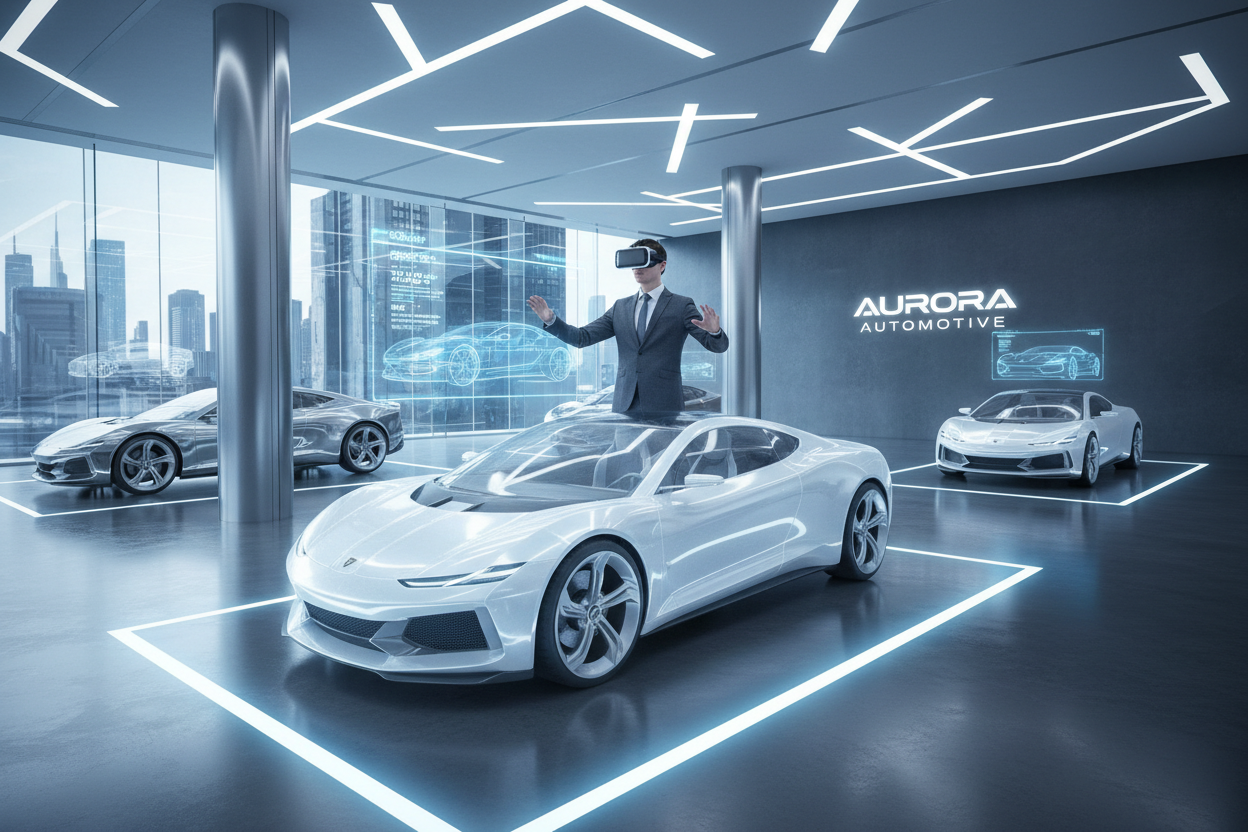
Virtual Reality is transforming the automotive industry by enhancing car showrooms, improving customer experiences, and streamlining sales processes. It allows for immersive, interactive vehicle exploration, personalized shopping, and reduced decision anxiety for buyers. While there are challenges such as implementation costs and the need for technical expertise, embracing VR technology can lead to increased sales and customer loyalty. The future may see further integration with Augmented Reality and advancements in VR hardware, solidifying its role in automotive retail.
Frequently Asked Questions
1. What is Virtual Reality (VR) in the automotive industry?
2. How does VR enhance customer experience in car showrooms?
3. What are the benefits of using VR for dealerships?
4. What challenges do dealerships face when implementing VR technology?
5. What future trends are expected in VR for car showrooms?
In recent years, technology has radically transformed the automotive industry, with Virtual Reality (VR) emerging as a powerful tool in car showrooms and sales environments. The incorporation of VR into car sales strategies offers a wealth of benefits that traditional methods simply cannot match. In this article, we will delve into the various ways VR is reshaping car showrooms, enhancing the customer experience, and ultimately driving sales.
Understanding Virtual Reality in the Automotive Context
Virtual Reality refers to computer-generated simulations that create immersive environments for users. By donning a VR headset, customers can step into a virtual space that enables them to interact with digital representations of vehicles. This technology is not only changing the way consumers shop for cars but also how dealerships operate.
Creating Immersive Showrooms
Traditional car showrooms can often feel cramped, limiting the number of vehicles on display. With VR, car dealerships can exhibit virtually any number of models without the constraints of physical space. Here’s how:
- Enhanced Space Utilization: Dealerships can showcase an extensive inventory that goes beyond their physical limitations.
- Dynamic Displays: Virtual showrooms can be updated instantly with new models, colors, or specifications, minimizing the downtime that comes with conventional showrooms.
- Interactive Features: Customers can interact with vehicle features, such as engines, interiors, and technology, all in a virtual environment.
The Benefits of Virtual Reality for Customers
For buyers, the shift to VR in car showrooms brings numerous advantages that enhance their purchasing experience. These are critical for engaging the modern consumer:
Personalized Car Shopping Experience
Virtual Reality allows consumers to customize and explore vehicles to match their preferences. Here are some ways this personalization enhances the shopping process:
- Tailored Configuration: Customers can adjust color, trim, wheels, and more, visualizing their dream car before even stepping foot in the dealership.
- Real-Time Visualization: Any changes can be seen instantly, allowing customers to make informed decisions based on their preferences.
- Convenience: Potential buyers can view various options comfortably from home, further streamlining the shopping process.
Reducing Decision Anxiety
The car-buying process is often overwhelming, with customers facing pressure to make quick decisions. VR can help alleviate this anxiety:
- Informed Choices: By experiencing vehicles in a virtual space, customers can explore multiple options without the urgency of a sales pitch.
- Confidence in Purchases: Virtual test drives and feature exploration pave the way for more confident decisions, leading to greater customer satisfaction.
The Role of Virtual Reality in Sales Processes
For dealerships, adopting VR technology is not merely a trend; it is a strategic move aimed at boosting sales efficiency and effectiveness. Leaders in the automotive sector are seeing how VR can sharp their sales approach:
Streamlining the Sales Process
VR simplifies many traditional processes that can be time-consuming in car sales:
- Faster Engagement: Sales associates can guide customers through virtual showrooms quickly, showing multiple cars in less time.
- Effective Training: VR can play a vital role in training sales staff, providing them with scenarios to practice their sales techniques.
- Sales Conversion: VR experiences have been shown to increase conversion rates, as customers feel more connected to the vehicle and the dealership.
Staying Ahead of Competitors
With more dealerships adopting VR technology, standing out is essential for success:
- Innovative Reputation: Embracing VR positions a dealership as a forward-thinking provider, attracting tech-savvy consumers.
- Unique Experiences: Offering exclusive VR experiences can be a compelling differentiator that draws customers away from traditional dealerships.
Challenges in Implementing VR Technology
While the benefits of VR in car showrooms are substantial, there are challenges that dealerships may face when adopting this cutting-edge technology:
Cost of Implementation
Investing in VR technology can require significant upfront costs, including hardware, software, and training expenses. However, many dealerships see these costs as a long-term investment that results in higher sales and customer retention rates.
Need for Technical Expertise
Not all dealerships have the necessary technical expertise to implement and maintain VR systems. This may necessitate hiring new staff or training existing employees, adding to operational complexity.
Future Trends in Virtual Reality for Car Showrooms
As VR technology continues to evolve, several trends could reshape the automotive sales landscape even further:
Integration with Augmented Reality (AR)
Combining VR with Augmented Reality can enhance the car-buying process. Imagine walking into a physical dealership, then utilizing AR glasses to see additional vehicle data and customization options superimposed on the physical cars around you.
Advancements in VR Hardware
With improvements in VR hardware, expect more immersive and user-friendly experiences, ensuring that customers can interact with vehicles in a way that feels more realistic than ever before.
Crafting the Ultimate Customer Journey
Moving beyond conventional methods, VR can craft a unique customer journey that leaves lasting impressions and nurtures customer loyalty. Creating an engaging VR experience is essential for turning potential leads into lifelong customers.
- Building a Relationship: Interacting with customers in a virtual environment can help build rapport, making it easier for them to trust the dealership.
- Follow-Up Engagement: Once a customer has experienced a VR presentation, follow-up communications can be tailored to their specific interests and vehicles they explored.
The Road Ahead: Embracing Change
In conclusion, the role of Virtual Reality in car showrooms and sales is a driving force for the future of automotive retail. By enhancing the customer experience, streamlining sales processes, and fostering brand loyalty, virtual reality truly has the potential to revolutionize the way we purchase autos. For dealerships that embrace this monumental change, the rewards can be extensive, creating an immersive shopping experience that resonates with today’s consumer and sails them into the future of automotive sales.