
Frequently Asked Questions
1. What draws people to classic cars?
2. How is technology impacting classic car restoration?
3. What are the benefits of electric conversions for classic cars?
4. How is the classic car market changing with technology?
5. What challenges do classic car owners face in a tech-driven future?
In a world where technology continues to accelerate at an unprecedented pace, classic cars represent a nostalgic blend of engineering brilliance and timeless design. Enthusiasts and collectors cherish these vehicles not only for their aesthetic value but also for the stories they tell. As new technologies revolutionize the automotive industry, the future of classic cars is poised to evolve in fascinating ways. In this article, we will explore the potential transformations of classic cars as we navigate a tech-driven landscape.
The Allure of Classic Cars
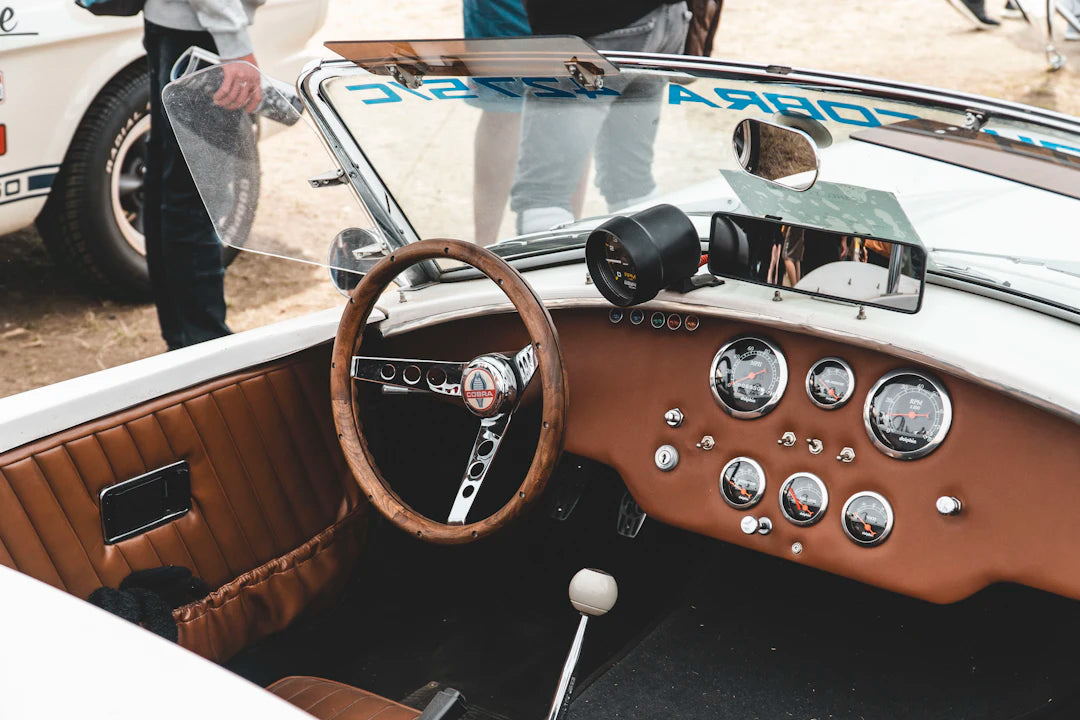
Classic cars evoke a sense of nostalgia and admiration that modern vehicles often struggle to capture. They remind us of a simpler time, where craftsmanship and design played a crucial role in automotive production. The elegant curves, raw power, and unique detailing of classic cars continue to captivate car lovers around the globe. However, the rise of technology poses significant implications for future ownership and restoration of these iconic vehicles.
Preservation vs. Advancement
The tug-of-war between preserving the authenticity of classic cars and incorporating advanced technologies will shape the strategies of collectors and restorers alike. Enthusiasts must carefully consider how much technological advancement to embrace while maintaining the vehicle's original charm. Here are some main perspectives:
- Preservation: Many collectors advocate for restoration methods that uphold the original specifications and characteristics of their cars. This approach often aligns with traditional values and the heritage of classic automotive craftsmanship.
- Integration: Some enthusiasts favor integrating contemporary technologies, such as electric engines or advanced infotainment systems, while keeping the classic aesthetic intact. This hybrid approach allows classic cars to benefit from modern advancements without losing their essence.
The Role of Technology
As electric vehicles (EVs) gain popularity, they set the tone for innovation in the automotive industry. Classic car restoration is becoming increasingly intertwined with the rise of technology. Here are some ways technology is shaping the future of classic cars:
Electric Conversion
One of the most significant trends within the classic car community is the shift towards electric conversions. The appeal of electric engines lies in their efficiency, reliability, and lower environmental impact. Many classic car enthusiasts are opting to replace internal combustion engines with electric drivetrains, which can significantly enhance performance while reducing emissions.
- Performance Benefits: Electric motors deliver instant torque and smooth acceleration, breathing new life into vintage vehicles.
- Environmental Responsibility: By converting classic cars into electric models, enthusiasts can enjoy their vehicles while contributing to a sustainable future.
Connected Classic Cars
As classic cars receive technological upgrades, connectivity is becoming a major theme. Integrating smart technology into classic cars is gaining traction, catering to the needs of modern drivers who seek convenience without sacrificing style. Features such as GPS navigation, Bluetooth connectivity, and smartphone compatibility can enhance the driving experience while preserving the quintessential character of classic vehicles.
The Market for Classic Cars
The demand for classic cars shows no signs of slowing down. In fact, as younger generations become more interested in vintage vehicles, the market is evolving in exciting ways. The significance of classic cars transcends mereownership; they serve as investments that can appreciate over time. Here's how technology is influencing the classic car market:
Online Auctions and Platforms
With the rise of e-commerce, classic car enthusiasts can now browse and participate in auctions online. Platforms like eBay Motors and dedicated classic car auction sites are making it easier for buyers and sellers to connect, regardless of geographical barriers. As online bidding becomes increasingly popular, sellers can reach a wider audience and fetch higher prices for coveted models.
Digital Communities
The digital landscape fosters vibrant communities of classic car enthusiasts who connect through social media platforms and online forums. These communities serve as invaluable resources for sharing knowledge, advice, and restoration tips. As technology enables greater collaboration among enthusiasts, the passion for classic cars continues to thrive.
Future Trends to Watch
As we look toward the future, several trends are emerging that will undoubtedly shape the landscape of classic cars in a tech-driven world. Here are some noteworthy developments:
3D Printing
With the advent of 3D printing technology, producing replacement parts for vintage vehicles is becoming more feasible. Classic car owners can source rare or hard-to-find components much more easily than in the past, streamlining the restoration process. This technology has the potential to maintain the integrity of classic cars while making repairs and upgrades more accessible and affordable.
Autonomous Options
While fully autonomous classic cars may seem far-fetched, the introduction of semi-autonomous features into vintage vehicles could become a reality. Enhancements like adaptive cruise control and lane-keeping assistance can improve safety on the roads. As these systems develop, they may be integrated into classic car restorations, allowing vintage models to coexist with modern standards of road safety.
Challenges Ahead
The journey toward the future of classic cars won't be without challenges. Owners and restorers must navigate the complexities of balancing technology with tradition. Here are some key considerations:
Regulatory Landscape
As vehicles transition to electric drivetrains and adapto modern technologies, it's essential for enthusiasts to stay informed about changing regulations. Different regions may have varying rules regarding emissions and vehicle modifications, which could impact restoration projects. Car collectors and restorers need to embrace a proactive approach to understand local regulations so that projects align with legal standards.
Availability of Skilled Craftsmen
The craft of classic car restoration relies heavily on skilled artisans who understand both vintage mechanics and modern technologies. As the industry evolves, there will be a pressing need for skilled craftsmen who can seamlessly bridge the gap between the classic and the modern. Education and training programs can help cultivate the next generation of automotive experts in this niche market.
Embracing the Journey
The future of classic cars in a tech-driven world presents a rich tapestry of possibilities. From electric conversions to enhanced connectivity, technology empowers enthusiasts to preserve the beauty and legacy of these timeless vehicles. Classic car lovers must embrace change while honoring tradition, allowing the spirit of vintage automobiles to flourish in an era defined by innovation.
Ultimately, as the automotive landscape transforms, the future of classic cars holds promise and excitement. The blend of nostalgia and modernity invites new generations to appreciate the artistry of yesteryears while steering toward a sustainable tomorrow. Whether you own a classic car, dream of one day owning one, or simply admire them from afar, the journey continues, making every moment behind the wheel a cherished experience.